Principle of Assay
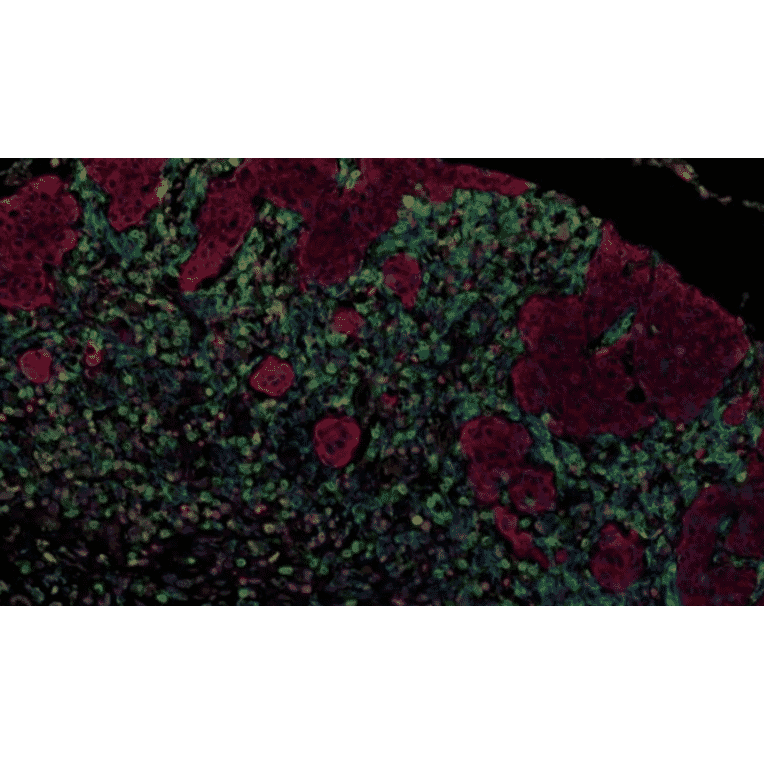
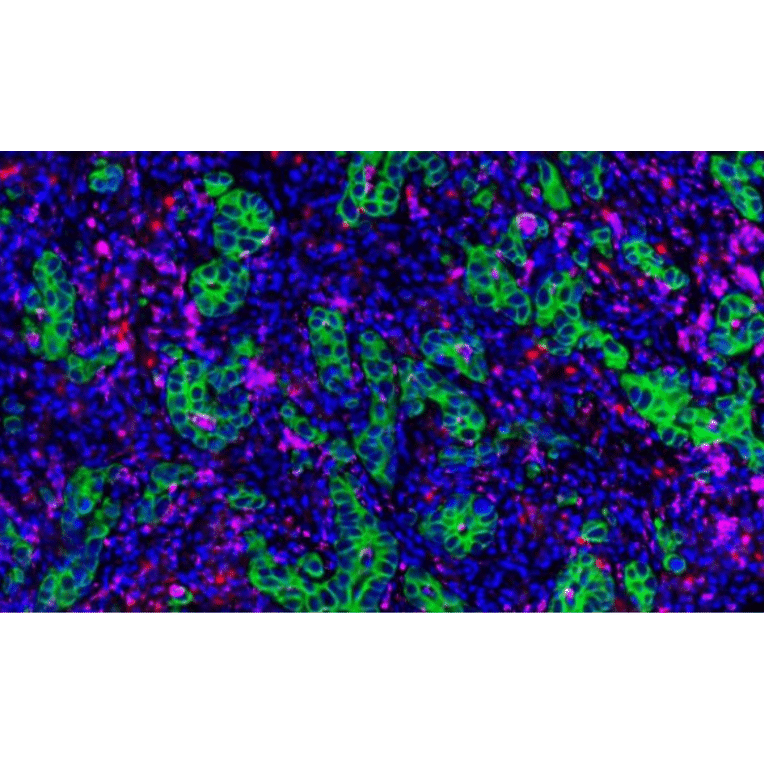
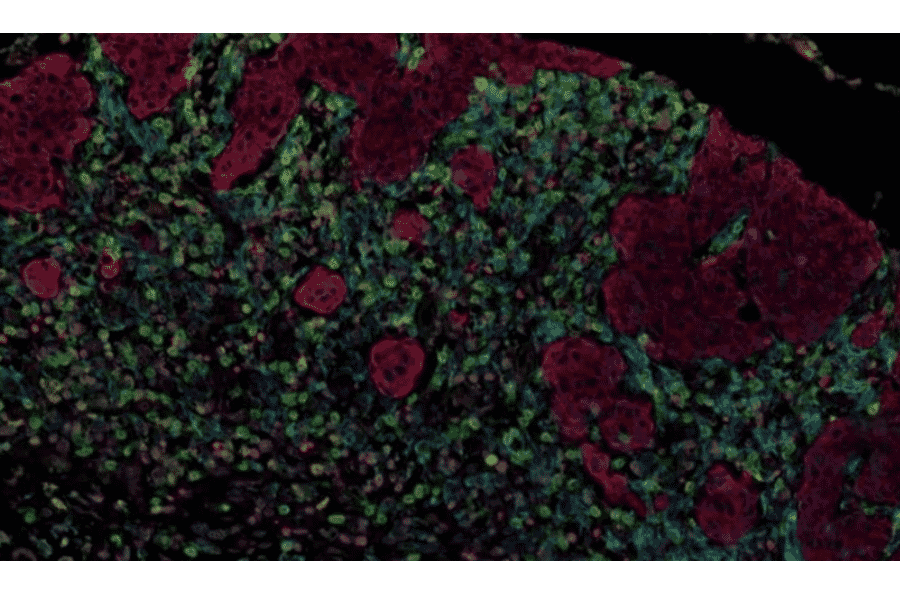
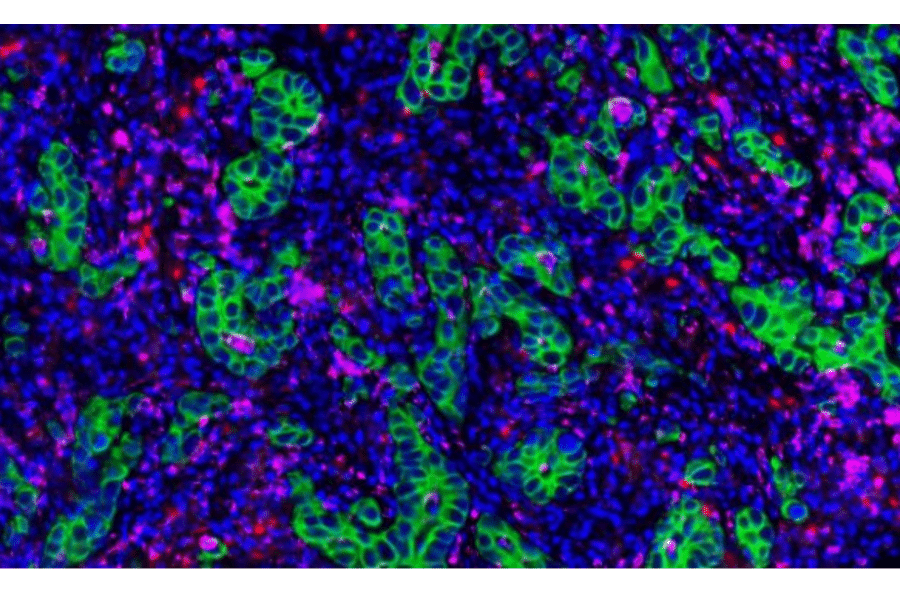
The multiplex fluorescence immunohistochemical assay is based on the specific binding between antigens and antibodies, combined with the principle of tyramide signal amplification (TSA). Similar to the DAB chromogenic reaction in conventional IHC, TSA technology utilizes horseradish peroxidase (HRP)-conjugated secondary antibodies. HRP catalyzes the conversion of a tyramide-linked fluorophore substrate into an activated intermediate that covalently binds to tyrosine residues within the antigen site, producing a stable and permanent fluorescent signal. After each labeling cycle, non-covalently bound antibodies are removed through heat-mediated antigen retrieval, allowing the application of a new primary antibody and a different fluorophore substrate in subsequent staining rounds. By repeating this process, multiple targets can be sequentially labeled within a single tissue section, enabling in situ multiplex detection and visualization of the complex cellular architecture of the tissue microenvironment with high spatial resolution.