
| Sample Type | n | Range | Average |
|---|---|---|---|
| Serum | 5 | 80% - 102% | 91% |
| EDTA Plasma | 5 | 81% - 100% | 90% |
| Heparin Plasma | 5 | 80% - 89% | 84% |
| Sample Type | 1:2 | 1:4 | 1:8 | 1:16 |
|---|---|---|---|---|
| Serum (n=5) | 87-91% | 87-107% | 74-101% | 92-97% |
| EDTA Plasma (n=5) | 90-105% | 84-101% | 90-101% | 79-108% |
| Heparin Plasma (n=5) | 84-95% | 92-105% | 82-105% | 89-91% |
| Item | Quantity | Storage |
|---|---|---|
| Pre-Coated 96 Well Microplate | 12 x 8 Well Strips | -20°C |
| Lyopholized Standard | 2 Vials | -20°C |
| Detection Solution A | 120μl | -20°C |
| Detection Solution B | 120µl | -20°C |
| Wash Buffer (30X) | 20ml | +4°C |
| Sample Dilution Buffer | 45ml | -20°C |
| TMB Substrate | 9ml | +4°C |
| Stop Solution | 6ml | +4°C |
| Plate Sealers | 5 Adhesive Strips | - |
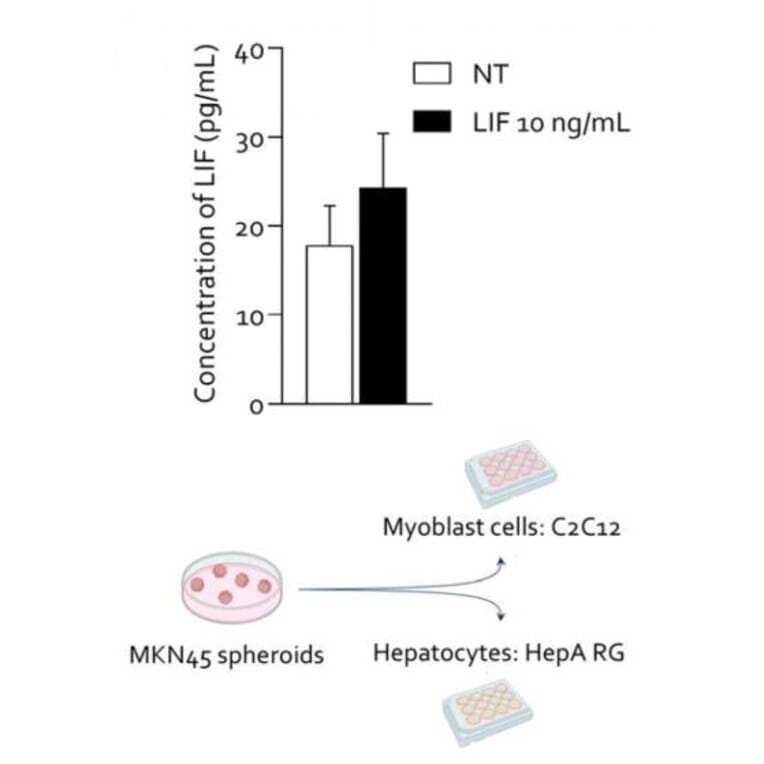
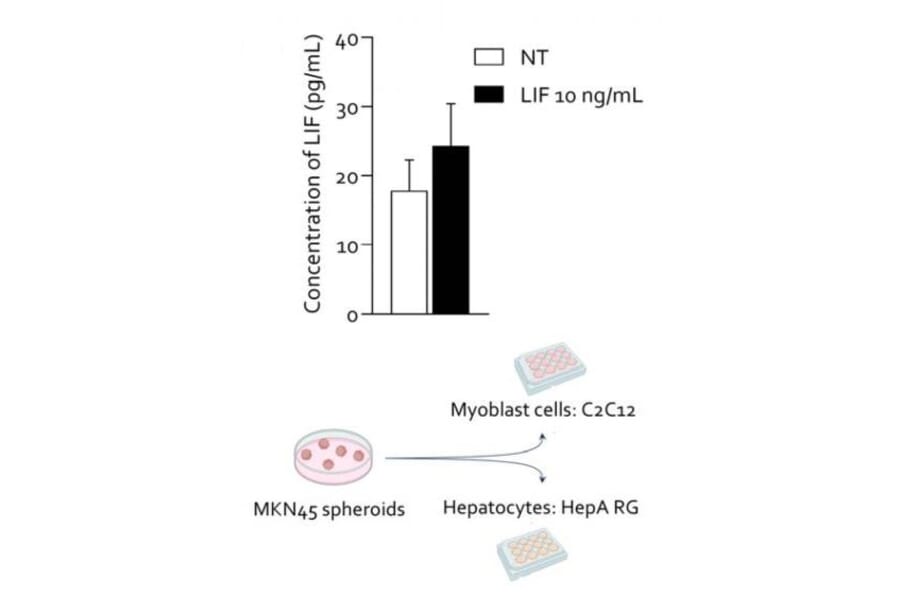
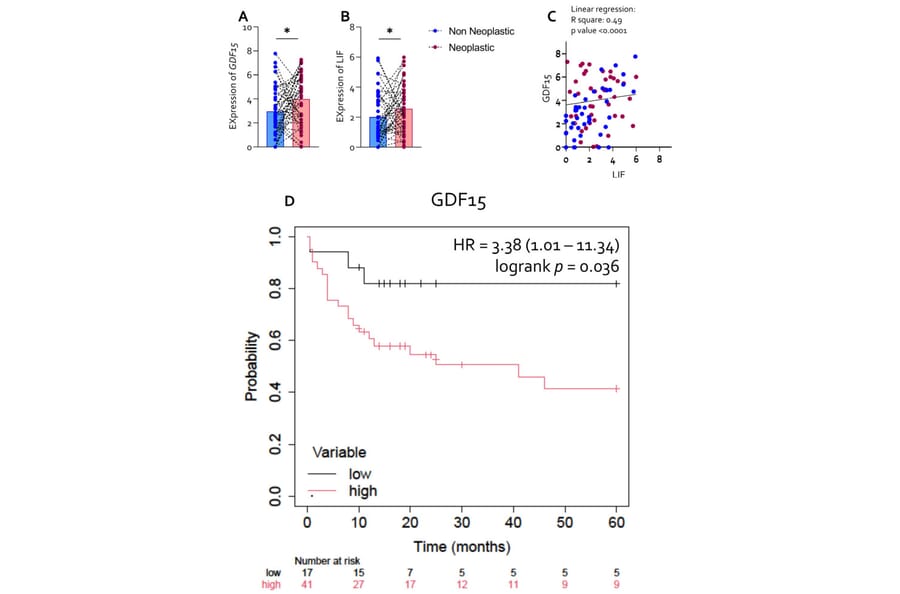
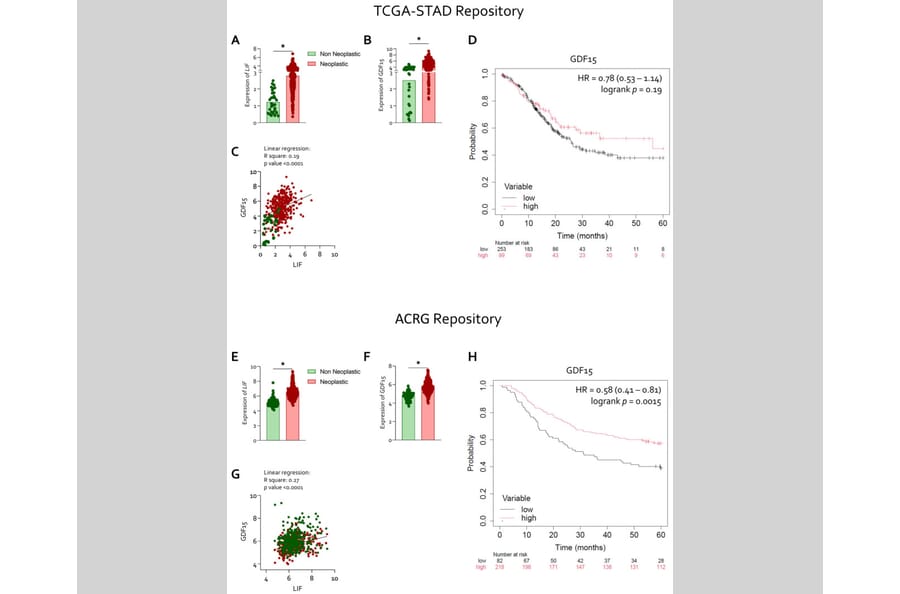
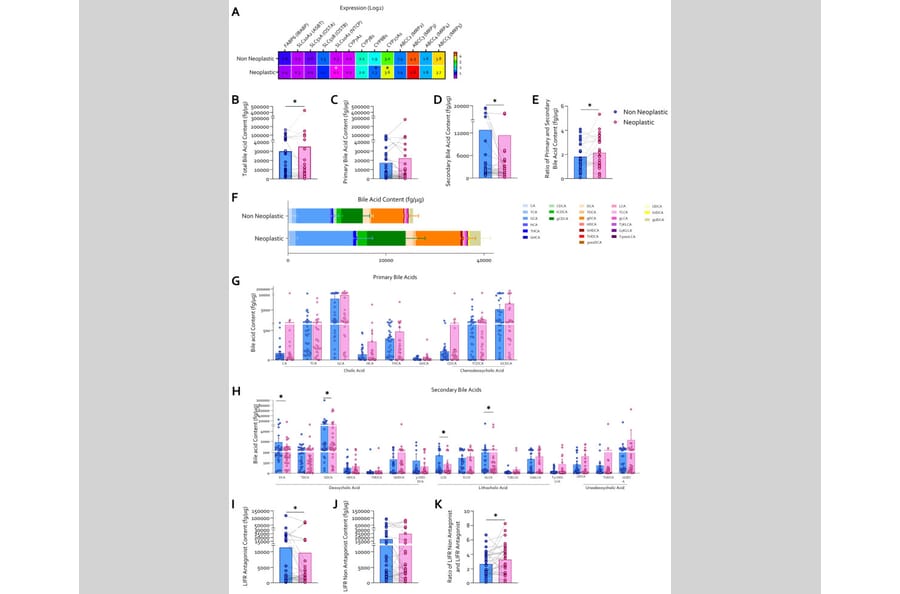
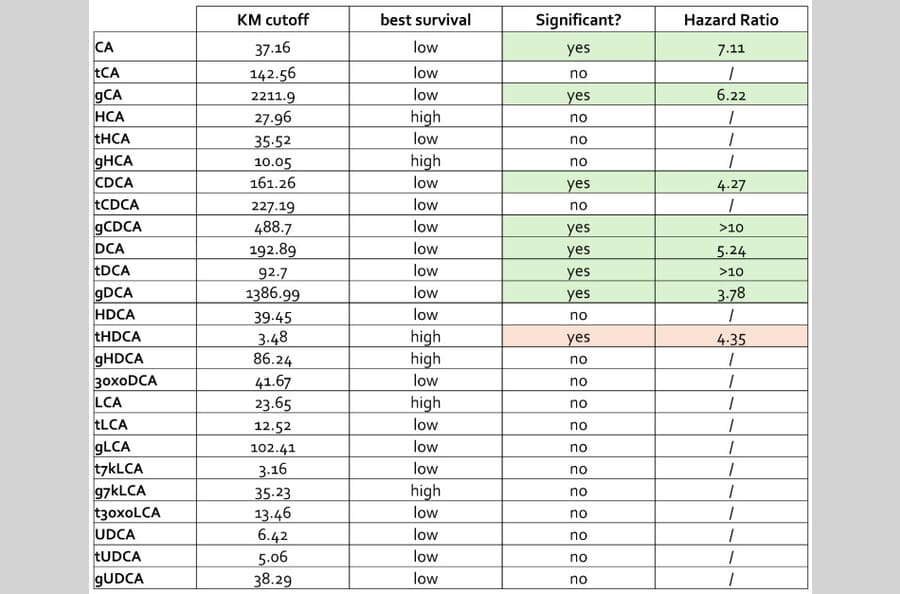
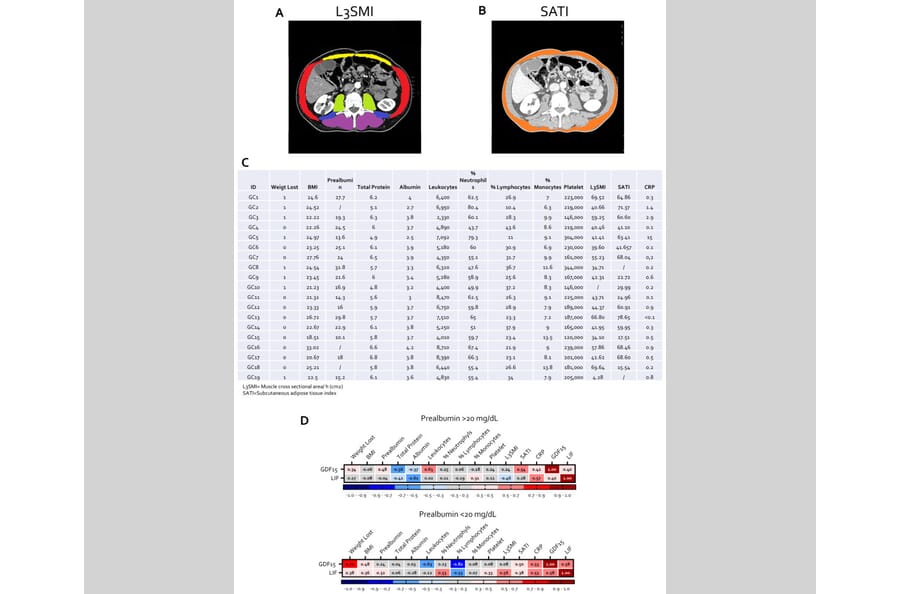
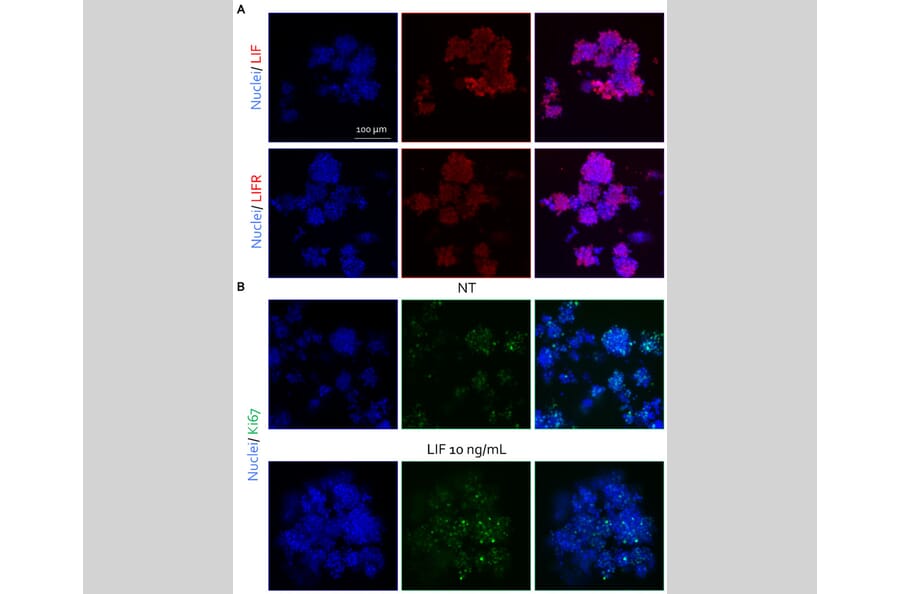
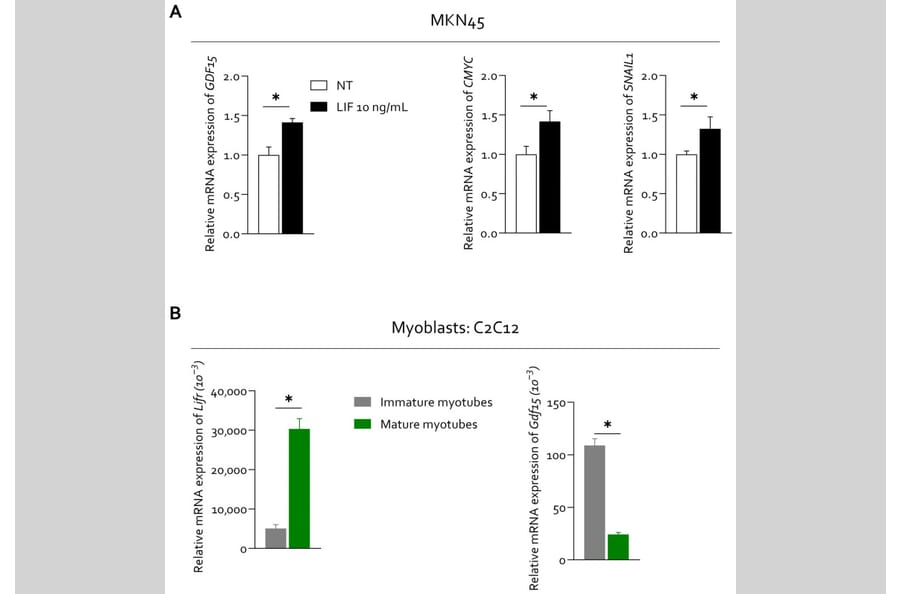
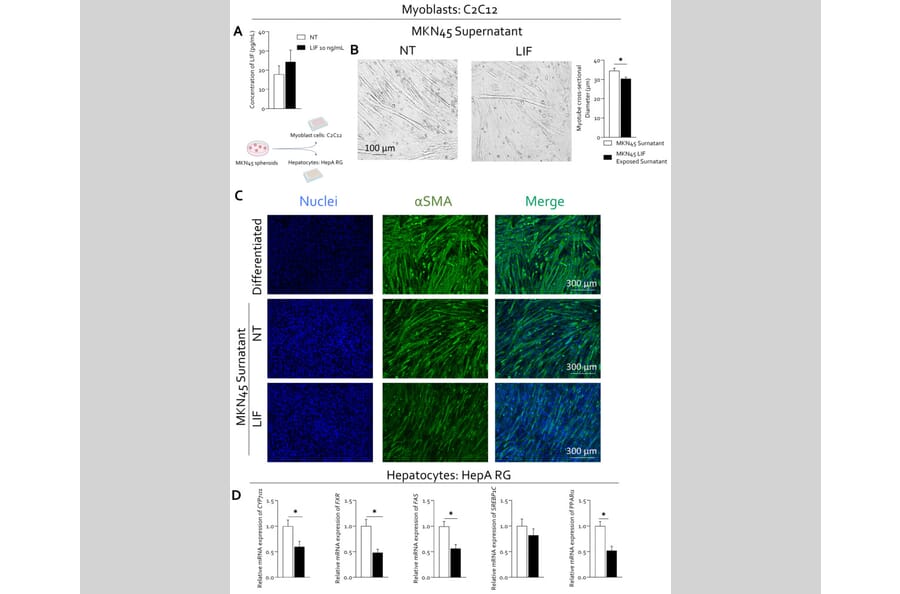
Cancer cachexia is a multifactorial metabolic syndrome characterized by progressive skeletal muscle and adipose tissue loss, systemic inflammation, and poor clinical outcomes, and represents a major unmet clinical need in gastric cancer. Growth Differentiation Factor 15 (GDF15) is a key mediator of cachexia-associated anorexia and tissue wasting; however, the upstream mechanisms regulating its expression in gastric cancer remain poorly defined. Leukemia Inhibitory Factor (LIF), a pleiotropic cytokine implicated in tumor progression and metabolic dysregulation, has emerged as a potential regulator of cachexia-related pathways. Here, we investigated the association between LIF in regulating GDF15 expression and its relationship with metabolic, inflammatory, and body composition alterations in gastric cancer. Transcriptomic profiling of paired neoplastic and non-neoplastic gastric mucosa from 61 gastric cancer patients revealed a significant upregulation of both LIF and GDF15 in tumor tissue, with a strong positive correlation between their expression levels. High GDF15 expression was associated with reduced overall survival, a finding validated in independent TCGA-STAD and ACRG cohorts. Intratumoral bile acid profiling uncovered a marked enrichment of primary bile acids and a depletion of secondary bile acids, resulting in reduced levels of bile acids with endogenous LIF receptor (LIFR) antagonist activity; elevated primary, LIFR non-antagonist bile acids were associated with worse survival outcomes. Clinically, increased LIF and GDF15 expression correlated with weight loss, heightened inflammatory burden, reduced serum protein and albumin levels, and impaired body composition in a sub-cohort of 19 patients. Notably, LIF expression showed a significant inverse association with both lumbar skeletal muscle index (L3SMI) and subcutaneous adipose tissue index (SATI). Mechanistically, experimental models demonstrated that LIF enhances proliferative activity in gastric cancer spheroids and exerts paracrine effects that impair myogenic differentiation and suppress hepatic metabolic gene expression. Collectively, these findings identify the LIF/GDF15 axis as a central driver of cancer-associated cachexia in gastric cancer and highlight LIF signaling as a potential therapeutic target.