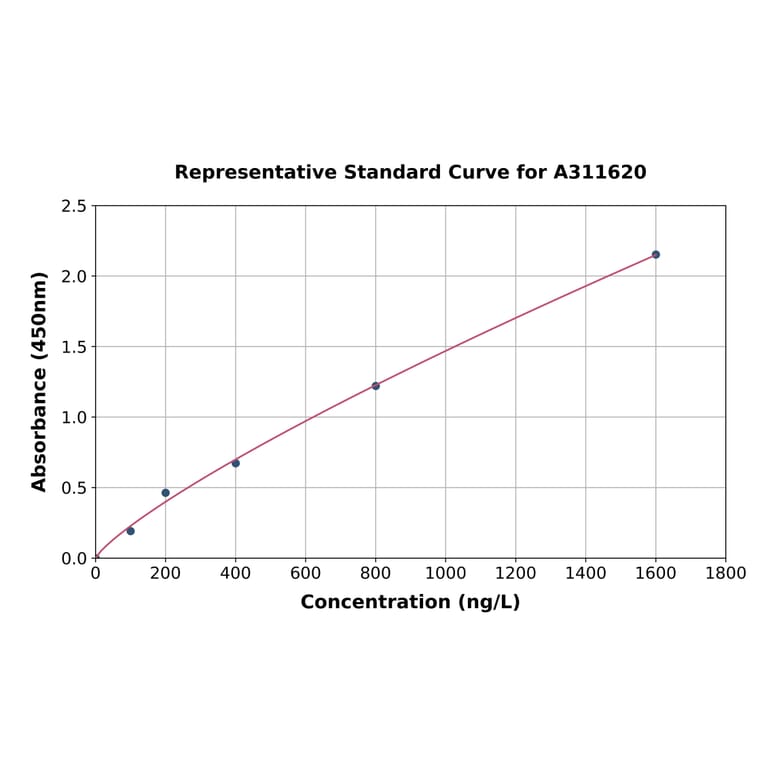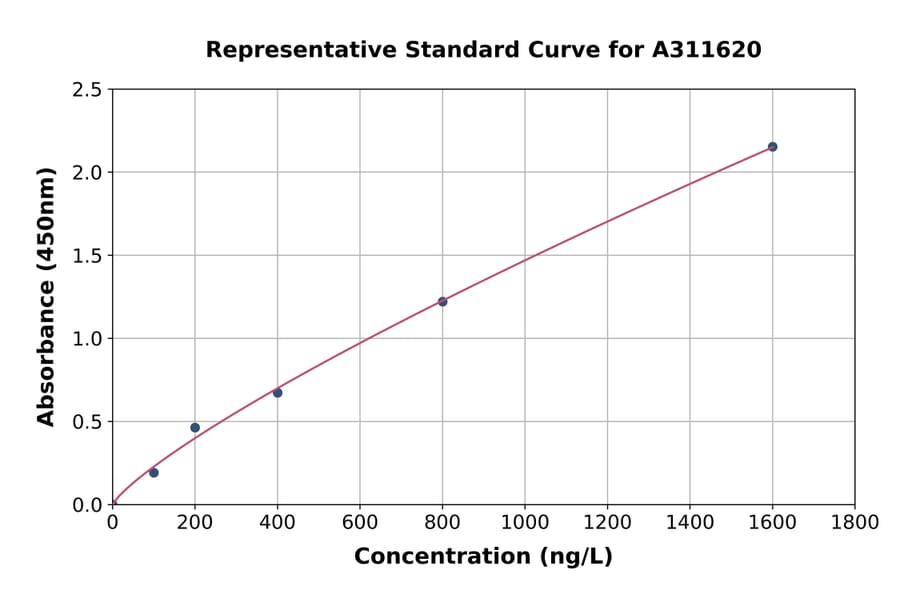

Human Titin ELISA Kit (A311620) has been discontinued and is no longer available.
View all Titin ELISA Kits.
| Item | Quantity | Storage |
|---|---|---|
| Pre-Coated 96 Well Microplate | 12 x 8 Well Strips | +4°C |
| Standard Solution | 500µl | +4°C |
| Standard Diluent | 3ml | +4°C |
| Biotinylated Detection Antibody | 1ml | +4°C |
| Streptavidin-HRP | 6ml | +4°C |
| Wash Buffer (25X) | 20ml | +4°C |
| Substrate Solution A | 6ml | +4°C |
| Substrate Solution B | 6ml | +4°C |
| Stop Solution | 6ml | +4°C |
| Plate Sealers | 5 Adhesive Strips | - |
| Foil Pouch | 1 Zip-Sealed Pouch | - |
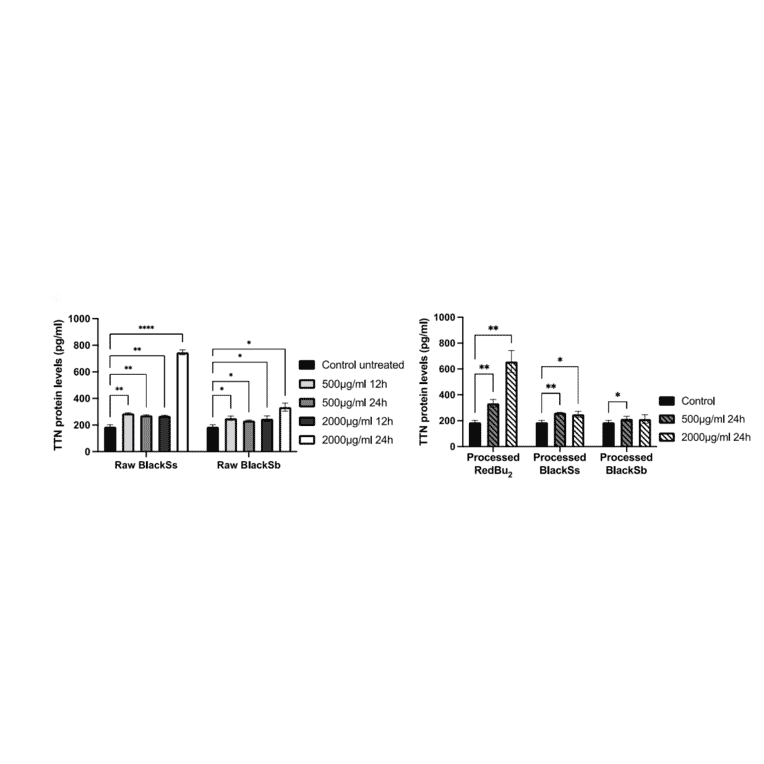
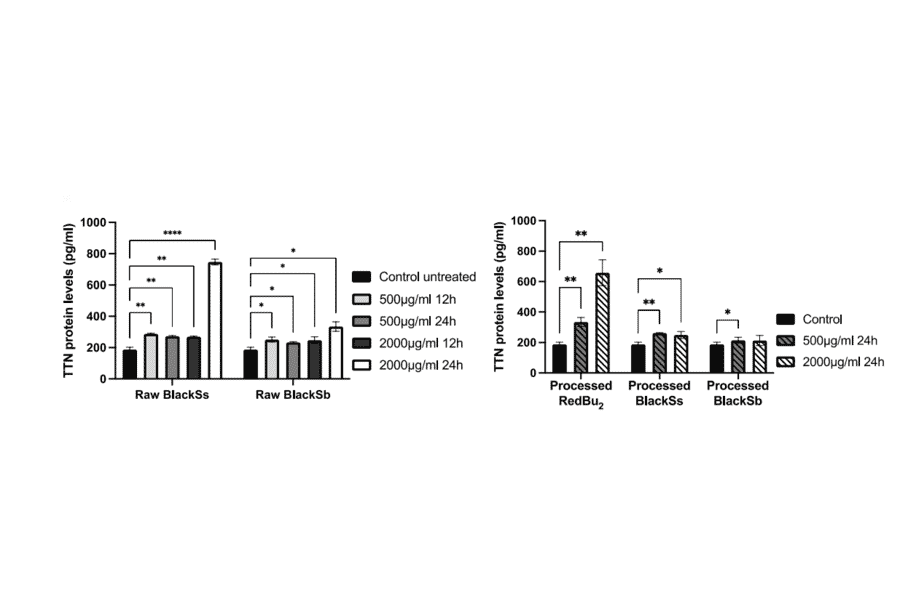
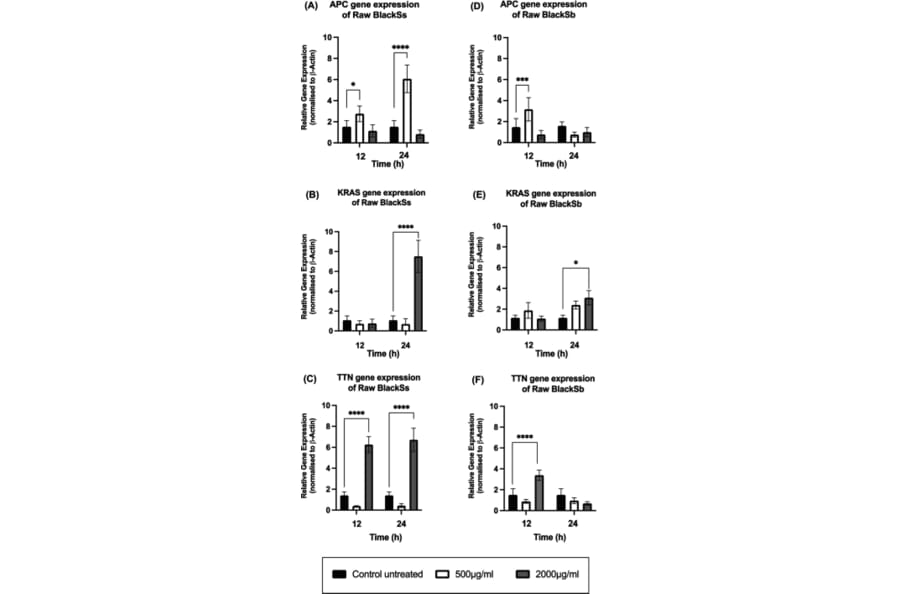
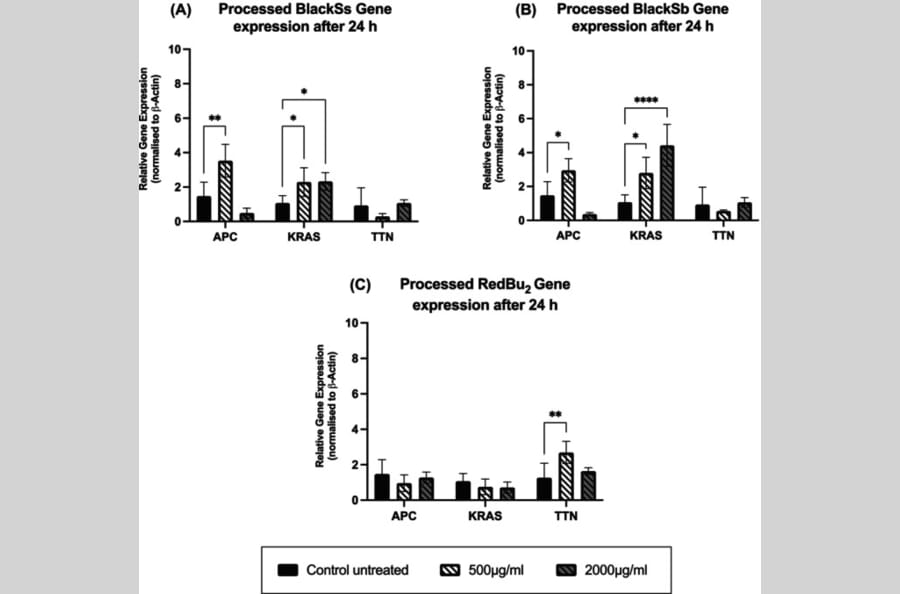
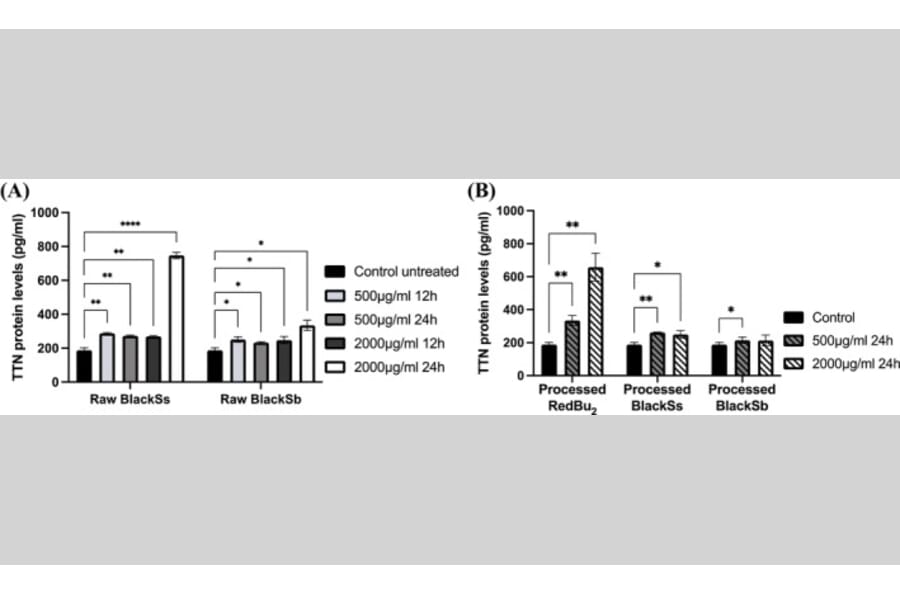
Sorghum polyphenols have been shown to inhibit gastrointestinal cancer cell growth by inducing apoptosis and other pathways such as chronic inflammation. However, the impact of sorghum polyphenols on the most frequently mutated genes in the genome including mutation and instability and dysregulated cellular metabolism pathways is unknown. This study evaluated the gene and protein expression levels regulated by raw and fermented-cooked (processed) sorghum phenolic extracts (BlackSs, BlackSb, and RedBu2) on HT-29 and hypoxia-induced CCD 841 CoN cells. Cancer cell viability was measured by Resazurin cytotoxicity assay and the gene and protein expression of APC, KRAS, TTN, HIF-1a, HIF-1ß, and GLUT-1 were measured using rtPCR and ELISA. Pigmented sorghum extracts showed a significant reduction in cancer cell viability at 500 and 2000 µg/mL after 12 and 24 h for raw samples but only after 24 h for processed. Treatment of HT-29 cells with 500 µg/mL BlackSs sorghum extracts demonstrated a significant upregulation of APC at both 12 and 24 h time points, followed by TTN at the highest concentration and the KRAS gene after 24 h when compared to the control. BlackSb showed an increase in APC and TTN after 12 h of treatment. Furthermore, 500 µg/mL BlackSs significantly downregulated the expression of GLUT-1 and decreased the expression of HIF-1a, HIF-1ß at 2000 µg/mL. Interestingly, processed RedBu2 significantly upregulated TTN gene expression. Overall, the results from this study showed that sorghum polyphenols modulate key cancer development pathway-associated genes in colorectal cancer cells, suggesting a potential chemopreventive role in inhibiting tumorigenesis.