Principle of Assay
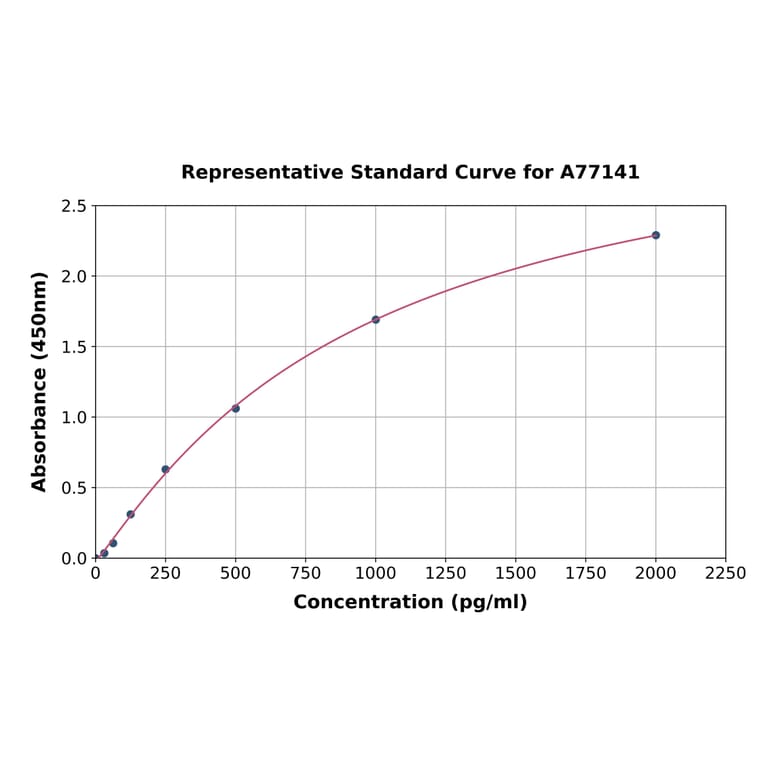
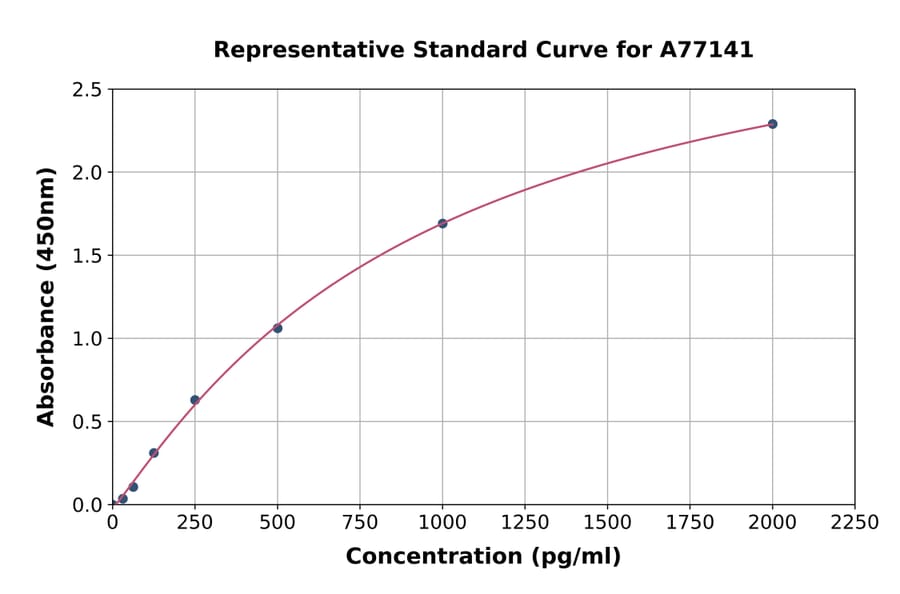
Mouse Procollagen I C-Terminal Propeptide/PICP ELISA Kit (A77141) is a 4 hour sandwich Enzyme-Linked Immunosorbent Assay (sELISA) designed for the in vitro quantitative determination of mouse Procollagen I C-Terminal Propeptide/PICP in serum, plasma, tissue homogenates, and other biological fluids. A 96-well microtiter plate has been pre-coated with an antibody specific for Procollagen I C-Terminal Propeptide/PICP. Standards and samples are added to the wells, where Procollagen I C-Terminal Propeptide/PICP binds to the immobilized capture antibody. Following incubation, unbound components are removed by washing and a biotinylated detection antibody specific for Procollagen I C-Terminal Propeptide/PICP is added to the wells. The detection antibody binds the captured Procollagen I C-Terminal Propeptide/PICP to form an antibody-antigen-antibody sandwich complex. After further incubation and washing, HRP-Streptavidin conjugate is added to the wells. TMB substrate solution is then added to visualize the HRP enzymatic reaction. This produces a blue-coloured product that changes to yellow following addition of acidic stop solution. The intensity of the yellow colour is directly proportional to the amount of Procollagen I C-Terminal Propeptide/PICP captured in each well. The concentration of Procollagen I C-Terminal Propeptide/PICP is calculated by reading the absorbance at 450 nm and comparing the values with the standard curve.