Principle of Assay
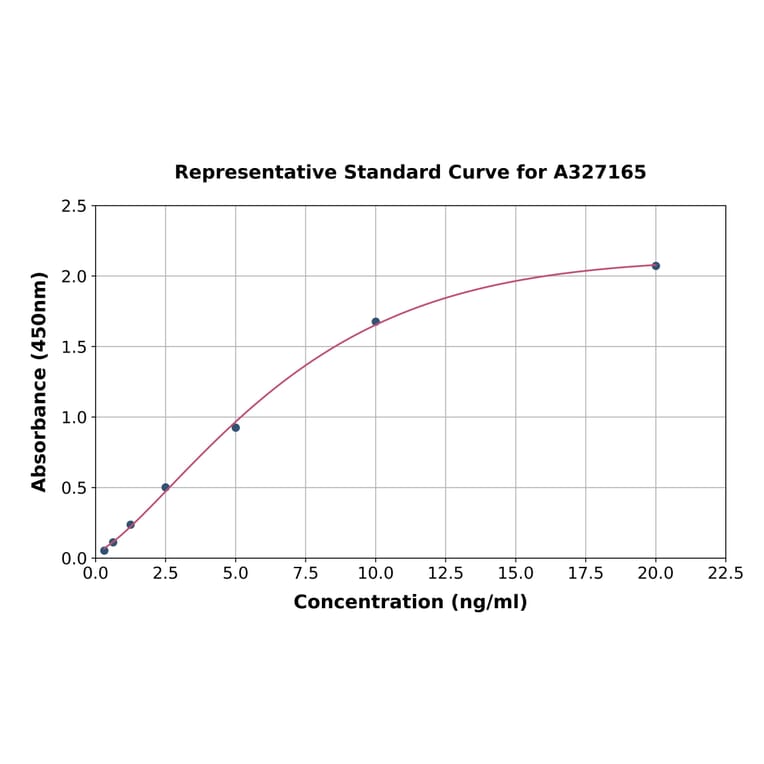
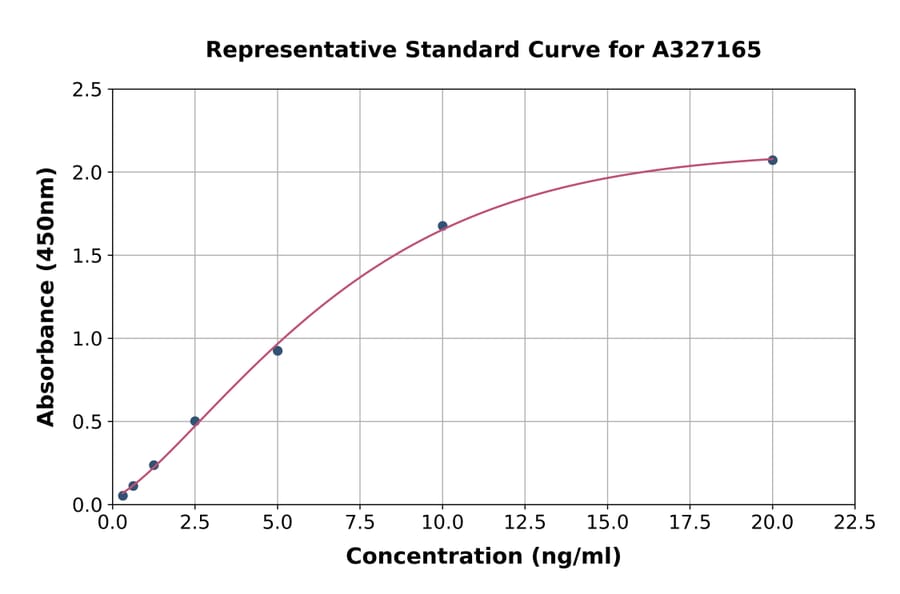
The Uncoated Human Hepatitis B Surface Antigen (HBsAg) ELISA Kit (A327165) is based on a quantitative sandwich enzyme-linked immunosorbent assay (ELISA) for the detection of HBsAg in human serum and plasma. In this format, a capture antibody specific to HBsAg is first coated onto the wells of a 96-well microtiter plate by the user. After blocking nonspecific binding sites, standards or test samples are added, and HBsAg present in the samples binds to the immobilized capture antibody. Following incubation, a biotinylated detection antibody specific for a different epitope of HBsAg is introduced, forming a capture antibody–antigen–detection antibody complex. After washing to remove unbound detection antibody, HRP–streptavidin conjugate is added, binding to the biotinylated detection antibody. Unbound conjugate is removed by washing, and TMB substrate is added. The HRP enzyme catalyzes the conversion of TMB to a blue product, which changes to yellow after the addition of an acidic stop solution. The color intensity, measured at 450 nm, is directly proportional to the concentration of HBsAg in the sample. Sample concentrations are determined by comparing their absorbance values to a standard curve generated from known HBsAg standards.