This antibody recognises human adiponectin, also known as Acrp30, 30 kDa adipocyte complement-related protein, Adipocyte, C1q and collagen domain-containing protein or Gelatin-binding protein. Adiponectin is a 244 amino acid major adipokine secreted into the bloodstream from adipose tissue to modulate metabolism, including glucose regulation and fatty acid catabolism (UniProt: Q15848). Adiponectin circulates as three distinct oligomeric forms, trimers (LMW), hexamers (MMW) and dodecamers-octodecamers (HMW) with distinct functions in various target tissues. Adiponectin is involved in regulation of circulating glucose levels and in regulation of insulin sensitivity. Concentrations of adiponectin are reduced in obesity associated metabolic and vascular disorders in particular lower circulating levels of HMW adiponectin correlates with the appearance of type II diabetes and acts as a predictor for this condition. Mouse anti human adiponectin antibody, clone Adn36 has been used successfully in the development of a sensitive sandwich ELISA in conjunction with Mouse anti Human adiponectin antibody, clone 5H7 (MCA2695) as a detection reagent for the measurement of circulating levels of adiponectin in human serum.
Applications
ELISA
Reactivity
Human
Immunogen
Recombinant human adiponectin purified from E.coli.
Host
Mouse
Clonality
Monoclonal
Clone ID
Adn36
Isotype
IgG2a
Conjugate
Unconjugated
Purification
Protein A affinity chromatography of tissue culture supernatant.
Concentration
1 mg/ml
Product Form
Liquid
Formulation
Supplied in Phosphate Buffered Saline with <0.1% Sodium Azide.
Storage
Shipped at ambient temperature. Upon delivery aliquot and store at -20°C. When thawed, aliquot the sample as needed. Short term (up to 4 weeks): store at 4°C. Long term: store at -20°C. Avoid freeze / thaw cycles. Storage in frost free freezers is not recommended.
General Notes
Mouse anti Human Adiponectin antibody, clone Adn36 recognizes human adiponectin, also known as Acrp30, 30 kDa adipocyte complement-related protein, Adipocyte, C1q and collagen domain-containing protein or Gelatin-binding protein. Adiponectin is a 244 amino acid major adipokine secreted into the bloodstream from adipose tissue to modulate metabolism, including glucose regulation and fatty acid catabolism (UniProt: Q15848). Adiponectin circulates as three distinct oligomeric forms, trimers (LMW), hexamers (MMW) and dodecamers-octodecamers (HMW) with distinct functions in various target tissues (Wang et al. 2008).Adiponectin is involved in regulation of circulating glucose levels and in regulation of insulin sensitivity. Concentrations of adiponectin are reduced in obesity associated metabolic and vascular disorders (Fasshauer et al. 2004) in particular lower circulating levels of HMW adiponectin correlates with the appearance of type II diabetes and acts as a predictor for this condition (Zhu et al. 2010).Mouse anti human adiponectin antibody, clone Adn36 has been used successfully in the development of a sensitive sandwich ELISA in conjunction with Mouse anti Human adiponectin antibody, clone 5H7 (MCA2695) as a detection reagent for the measurement of circulating levels of adiponectin in human serum.




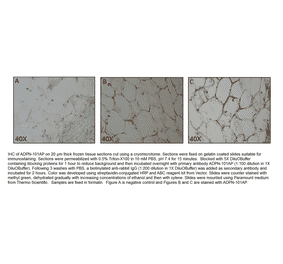

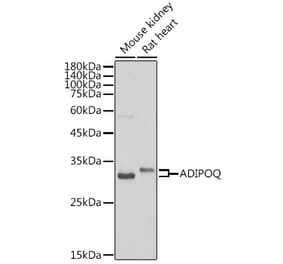
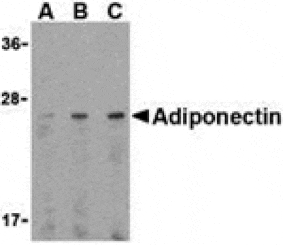
![Immunohistochemistry - Anti-Adiponectin Antibody [ADPN/1370] - BSA and Azide free (A253795) - Antibodies.com](https://cdn.antibodies.com/image/catalog/253/A253795_1.jpg?profile=product_alternative)
![Immunohistochemistry - Anti-Adiponectin Antibody [ADPN/1370] (A250615) - Antibodies.com](https://cdn.antibodies.com/image/catalog/250/A250615_1.jpg?profile=product_alternative)
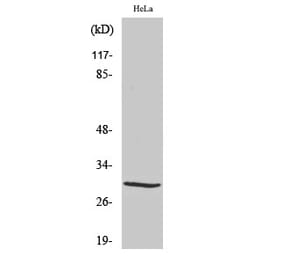

![Immunohistochemistry - Anti-Adiponectin Antibody [ADPN/4256] (A250617) - Antibodies.com](https://cdn.antibodies.com/image/catalog/250/A250617_1.jpg?profile=product_alternative)
![Immunohistochemistry - Anti-Adiponectin Antibody [ADPN/4256] - BSA and Azide free (A253797) - Antibodies.com](https://cdn.antibodies.com/image/catalog/253/A253797_1.jpg?profile=product_alternative)
![Western Blot - Anti-Adiponectin Antibody [ARC54368] (A329098) - Antibodies.com](https://cdn.antibodies.com/image/catalog/329/A329098_1.jpg?profile=product_alternative)