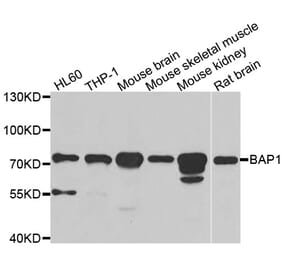
This antibody recognises bAP1 associated protein-1 (ubiquitin carboxy-terminal hydrolase), also known as BRCA1-associated protein 1 or cerebral protein 6.BAP1 localizes to the nucleus where it acts as a deubiquitinase due to its ubiquitin carboxy-terminal hydrolase (UCH) domain. BAP1 is a member of the polycomb-group proteins (PcGs). PcGs are a group of highly conserved transcriptional repressors required for long-term silencing of genes that regulate various processes including cell fate determination, and stem cell pluripotency (Gaytán de Ayala Alonso et al. 2007). BAP1 functions as a tumor suppressor and mutations in the BAP1 gene may be linked to the development of a number of different cancers including malignant mesothelioma.
Applications
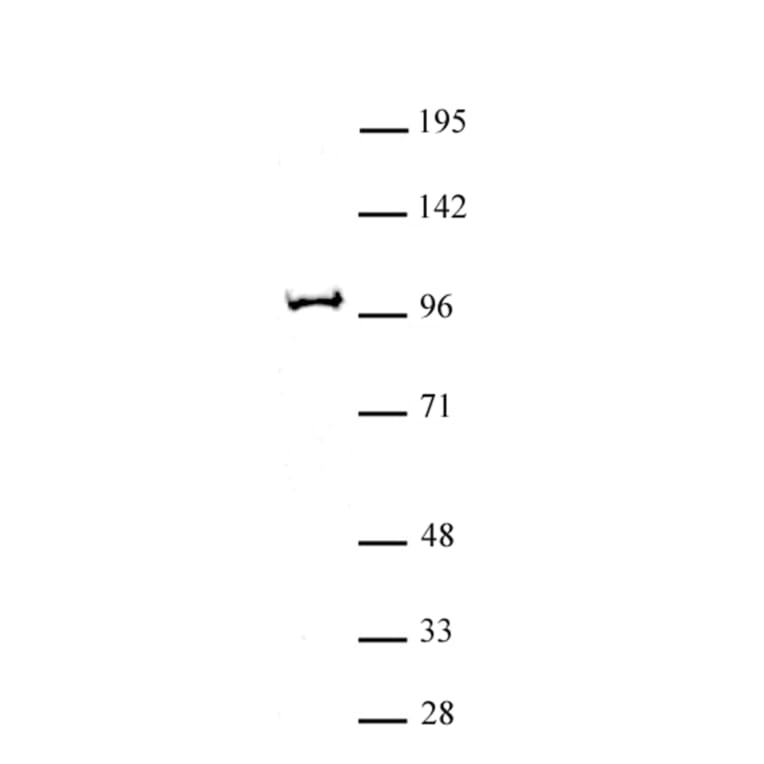
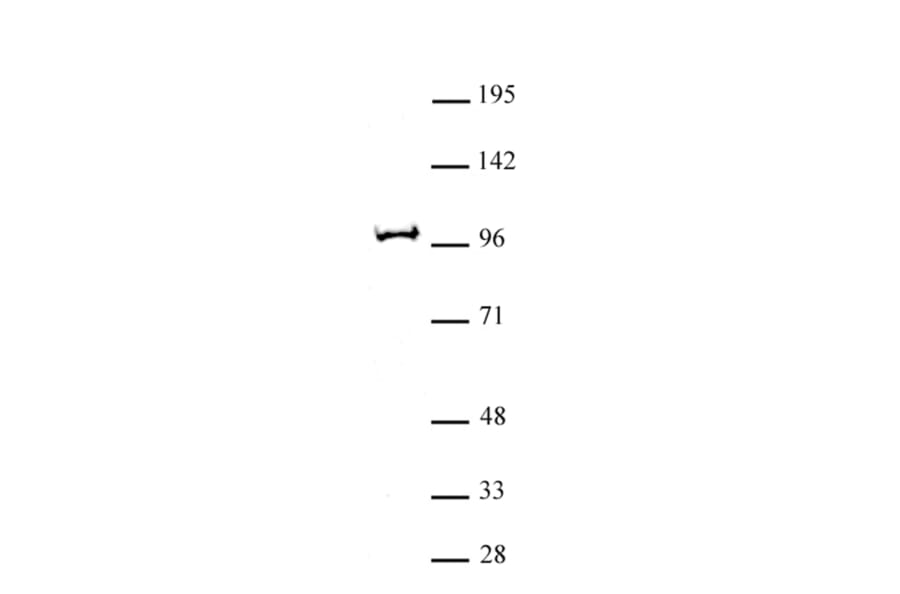
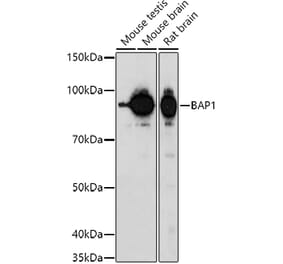
WB
Dilutions
WB: 1:500 - 1:2,000
Reactivity
Human, Mouse
Immunogen
A peptide derived from within the C-terminus of human BAP1.
Host
Rabbit
Clonality
Polyclonal
Isotype
IgG
Conjugate
Unconjugated
Concentration
Lot Specific
Product Form
Liquid
Formulation
Supplied in Phosphate Buffered Saline with 0.035% Sodium Azide and 30% Glycerol.
Storage
Shipped at ambient temperature. Upon delivery aliquot and store at -20°C. When thawed, aliquot the sample as needed. Short term (up to 4 weeks): store at 4°C. Long term: store at -20°C. Avoid freeze / thaw cycles. Storage in frost free freezers is not recommended.
General Notes
Rabbit anti Human BAP1 antibody recognizes BAP1 associated protein-1 (ubiquitin carboxy-terminal hydrolase), also known as BRCA1-associated protein 1 or cerebral protein 6.BAP1 localizes to the nucleus where it acts as a deubiquitinase due to its ubiquitin carboxy-terminal hydrolase (UCH) domain (Jensen et al. 1998). BAP1 is a member of the polycomb-group proteins (PcGs). PcGs are a group of highly conserved transcriptional repressors required for long-term silencing of genes that regulate various processes including cell fate determination, and stem cell pluripotency (Gaytán de Ayala Alonso et al. 2007). BAP1 functions as a tumor suppressor and mutations in the BAP1 gene may be linked to the development of a number of different cancers including malignant mesothelioma (Cheung and Testa, 2017).
Synonyms
BRCA1-associated protein 1, Cerebral protein 6, KIAA0272, Ubiquitin carboxyl-terminal hydrolase BAP1




![SDS-PAGE - Anti-BAP1 Antibody [BAP1/2432] (A253587) - Antibodies.com](https://cdn.antibodies.com/image/catalog/250/A250408_1.jpg?profile=product_alternative)
![SDS-PAGE - Anti-BAP1 Antibody [BAP1/2431] (A253163) - Antibodies.com](https://cdn.antibodies.com/image/catalog/250/A250407_1.jpg?profile=product_alternative)
![SDS-PAGE - Anti-BAP1 Antibody [BAP1/2665] - BSA and Azide free (A250410) - Antibodies.com](https://cdn.antibodies.com/image/catalog/253/A253590_1.jpg?profile=product_alternative)
![SDS-PAGE - Anti-BAP1 Antibody [BAP1/2432] - BSA and Azide free (A250408) - Antibodies.com](https://cdn.antibodies.com/image/catalog/253/A253588_1.jpg?profile=product_alternative)
![SDS-PAGE - Anti-BAP1 Antibody [BAP1/2431] - BSA and Azide free (A250407) - Antibodies.com](https://cdn.antibodies.com/image/catalog/253/A253587_1.jpg?profile=product_alternative)
![SDS-PAGE - Anti-BAP1 Antibody [BAP1/2665] (A253588) - Antibodies.com](https://cdn.antibodies.com/image/catalog/250/A250410_1.jpg?profile=product_alternative)
![Immunohistochemistry - Anti-BAP1 Antibody [BAP1/2433] (A252404) - Antibodies.com](https://cdn.antibodies.com/image/catalog/250/A250409_1.jpg?profile=product_alternative)