
HRP
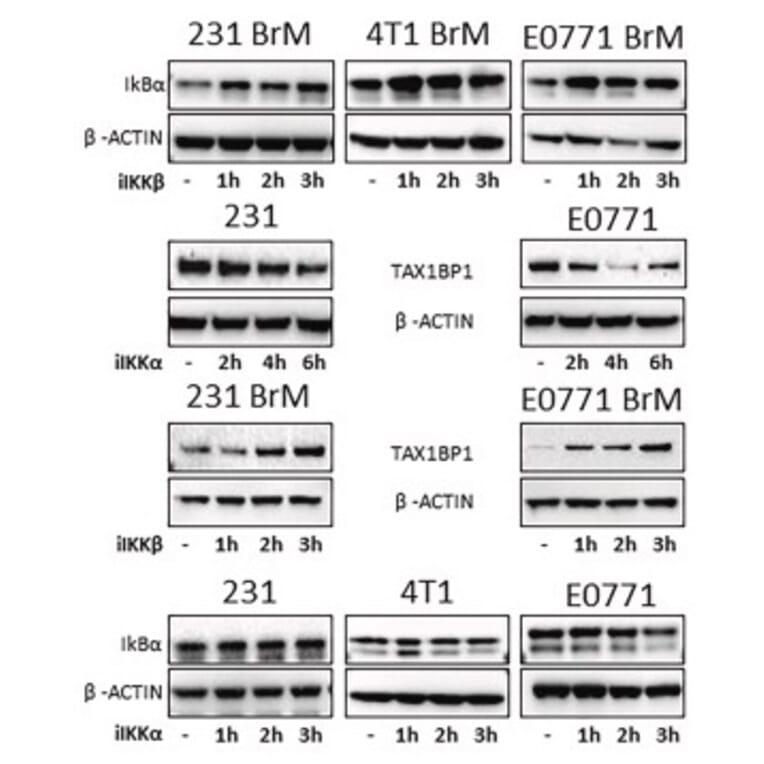
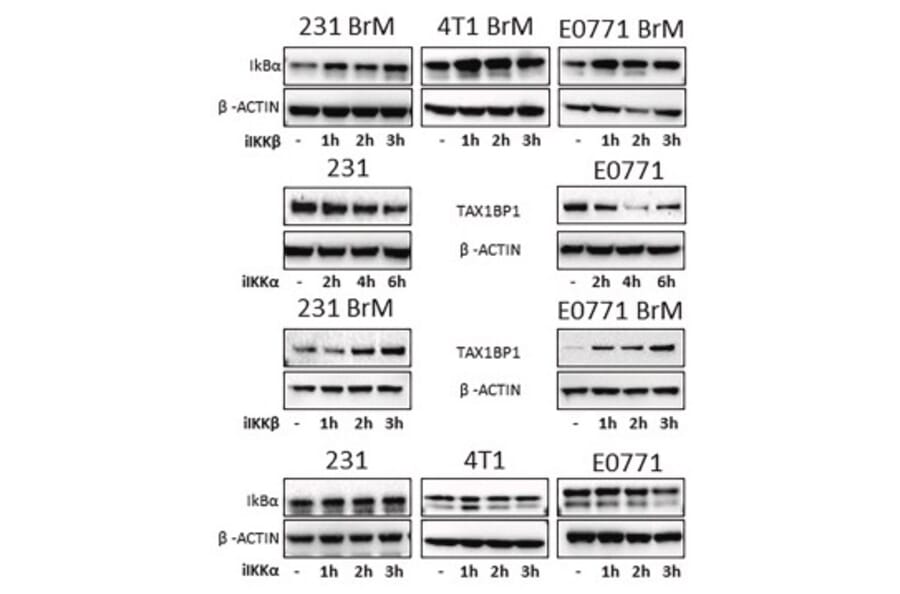
Brain metastases are an increasingly common and life-threatening complication of breast cancer. Here, we report that breast cancer cells with a propensity for cerebral colonization (BrM cells) display a distinct imbalance in the NF-?B pathway characterized by elevated IKKß and reduced IKKa levels. This imbalance reduces the levels of the downstream NF-?B modulators I?Ba and TAX1BP1, fostering a chronically active pro-inflammatory program. Such BrM cells secrete high concentrations of IL-8 and GRO chemokines, enhancing blood-brain barrier permeability in vitro and triggering astrocyte activation in vivo. In parallel, we observed that the altered NF-?B signaling increases the expression of glutamate transporters EAAT1 and EAAT2, which allows BrM cells to uptake and utilize glutamate, a neurotransmitter readily available in the brain, as a key energy source. Analysis of energy metabolism confirms a pronounced reliance on glutamate for both oxidative phosphorylation and glycolysis, which correlates with an increased migratory and invasive capacity. Importantly, pharmacological inhibition of glutamate import curtails in vitro migratory ability and reduces the formation of brain lesions in a murine model. Our study thus highlights a dual strategy employed by BrM cells, whereby they orchestrate a pro-inflammatory milieu to breach the BBB and simultaneously exploit glutamate metabolism to sustain invasiveness. These findings highlight the inflammatory-metabolic axis as a promising target for therapeutic or preventive strategies against breast cancer progression to the brain.
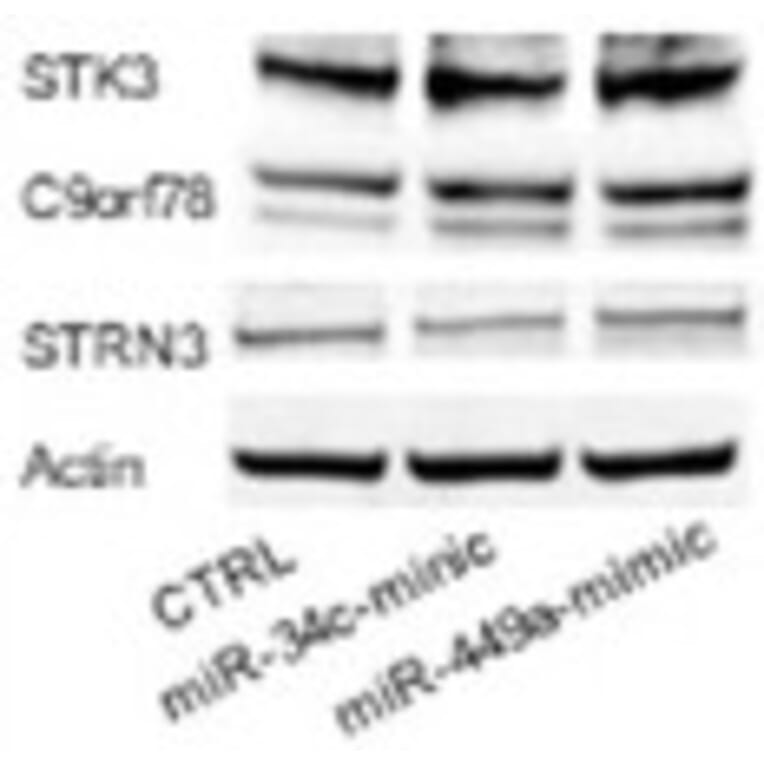
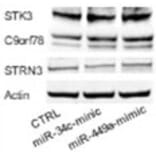
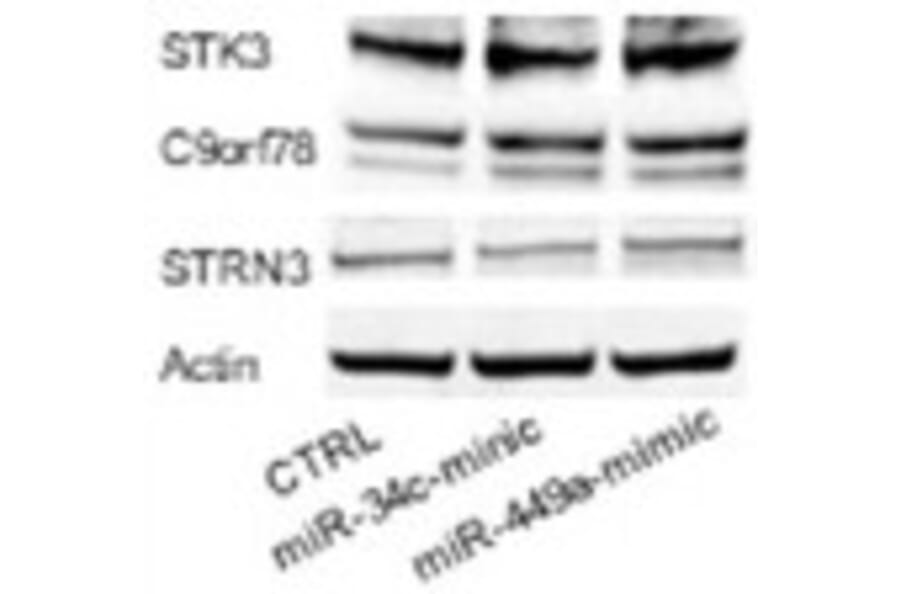
Sinonasal tumours are heterogeneous malignancies, presenting different histological features and clinical behaviour. Many studies emphasize the role of specific miRNA in the development and progression of cancer, and their expression profiles could be used as prognostic biomarkers to predict the survival. Recently, using the next-generation sequencing (NGS)-based miRNome analysis the miR-34/miR-449 cluster was identified as miRNA superfamily involved in the pathogenesis of sinonasal cancers (SNCs). In the present study, we established an Argonaute-2 (AGO2): mRNA immunoprecipitation followed by high-throughput sequencing to analyse the regulatory role of miR-34/miR-449 in SNCs. Using this approach, we identified direct target genes (targetome), which were involved in regulation of RNA-DNA metabolic, transcript and epigenetic processes. In particular, the STK3, C9orf78 and STRN3 genes were the direct targets of both miR-34c and miR-449a, and their regulation are predictive of tumour progression. This study provides the first evidence that miR-34/miR-449 and their targets are deregulated in SNCs and could be proposed as valuable prognostic biomarkers.