

Unconjugated
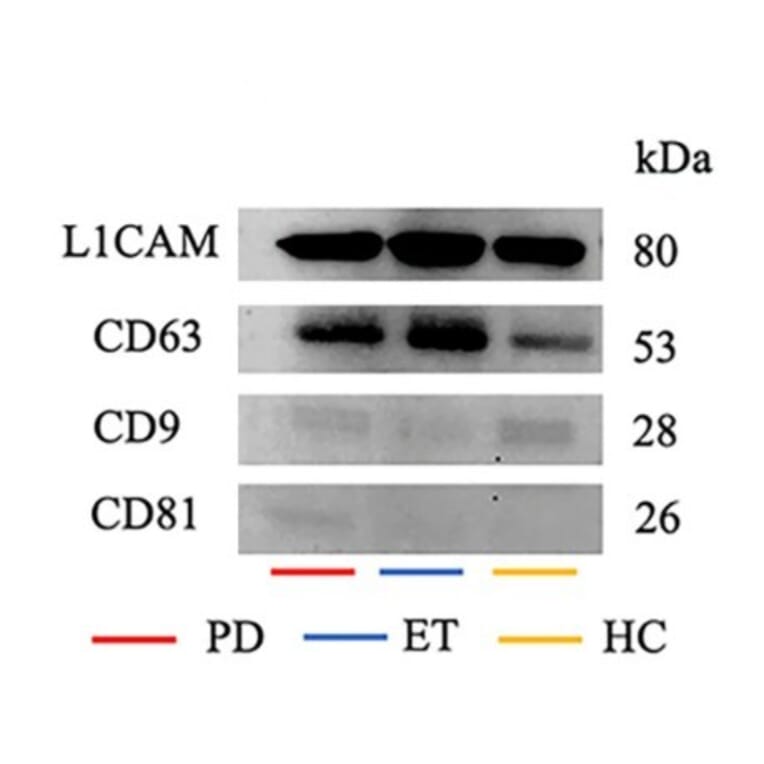
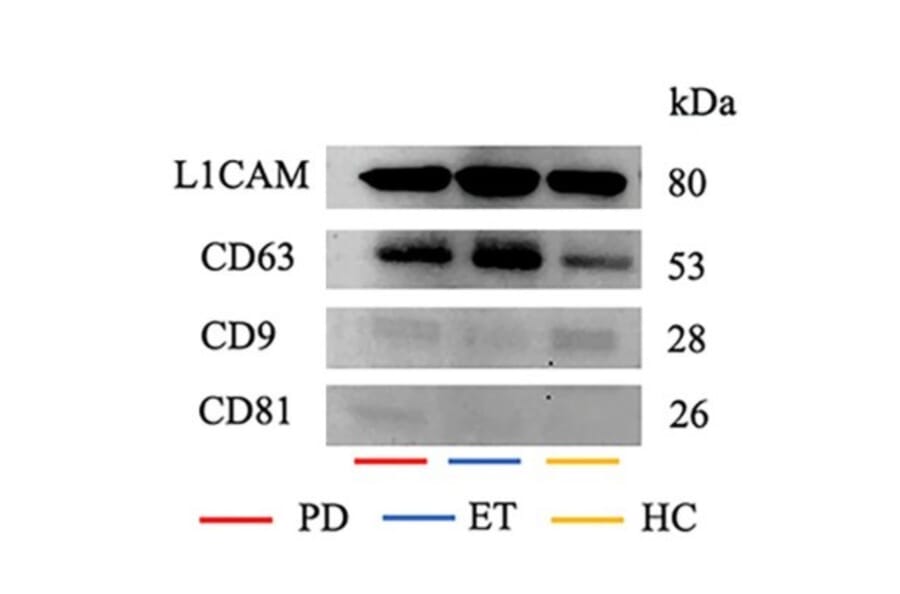
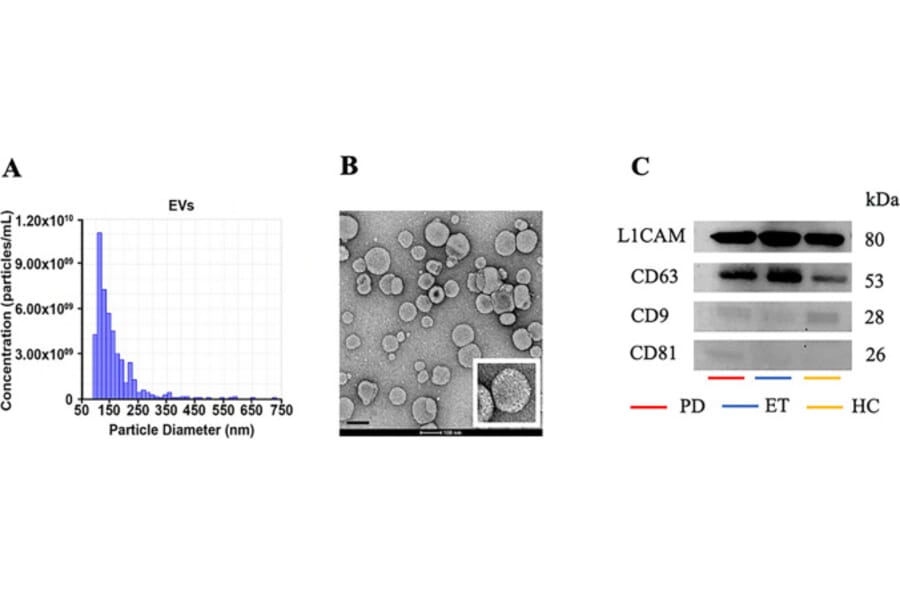
Parkinson's disease (PD) and essential tremor with resting tremor (rET) show a remarkable symptom overlap that complicates the clinical differentiation and highlights the need for easily assessable diagnostic biomarkers. Neuronally derived extracellular vesicles (NDEVs) have been suggested as a peripheral substrate providing insights on the central nervous system pathology. Here, we assessed the accuracy of NDEV neurofilament light chain (Nf-L) levels in discriminating between PD and rET patients. Thirty-three PD and 13 rET patients and 30 healthy controls (HC) were consecutively enrolled in the study. NDEVs were obtained from serum through size exclusion chromatography followed by immunocapture based on L1CAM expression. NDEV Nf-L levels were quantified by ELISA on Ella Platform. Receiver operator characteristic (ROC) analysis was performed to investigate the NDEV Nf-L classification performance. Associations between NDEV Nf-L and demographical or clinical variables were investigated with Spearman's method. NDEV Nf-L levels were significantly higher in PD compared to rET patients and HC, and achieved an excellent classification performance in distinguishing PD from both rET and HC (AUC: 0.902 and 0.987, respectively). No differences were observed between rET and HC. A significant negative association between NDEV Nf-L and sex was detected in rET patients. Our pilot study suggests that NDEV Nf-L might be a useful blood-derived biomarker helping the differential diagnosis between PD and rET patients. Future studies are needed to validate these findings in larger independent cohorts.
Despite the efforts to identify fluid biomarkers to improve diagnosis of Frontotemporal dementia (FTD), only a few candidates have been described in recent years. In a previous study, we identified three circulating miRNAs (miR-92a-3p, miR-320a and miR-320b) differentially expressed in FTD patients with respect to healthy controls and/or Alzheimer's disease (AD) patients. Now, we investigated whether those changes could be due to miRNAs contained in neuron-derived extracellular vesicles (NDEVs). We also evaluated miRNAs content in total plasma EVs and in CSF samples. The analysis of plasma NDEVs carried out on 40 subjects including controls (n = 13), FTD (n = 13) and AD (n = 14) patients, showed that both miR-92a-3p and miR-320a levels were triplicated in the FTD group if compared with CT and AD patients. Increased levels of the same miRNAs were found also in CSF derived from FTD group compared to CTs. No differences were observed in expression levels of miR-320b among the three groups. Worthy of note, all miRNAs analysed were increased in an FTD cell model, MAPT IVS10 + 16 neurons. Our results suggest that miR-92a and miR-320a in NDEVs could be proposed as FTD biomarkers.
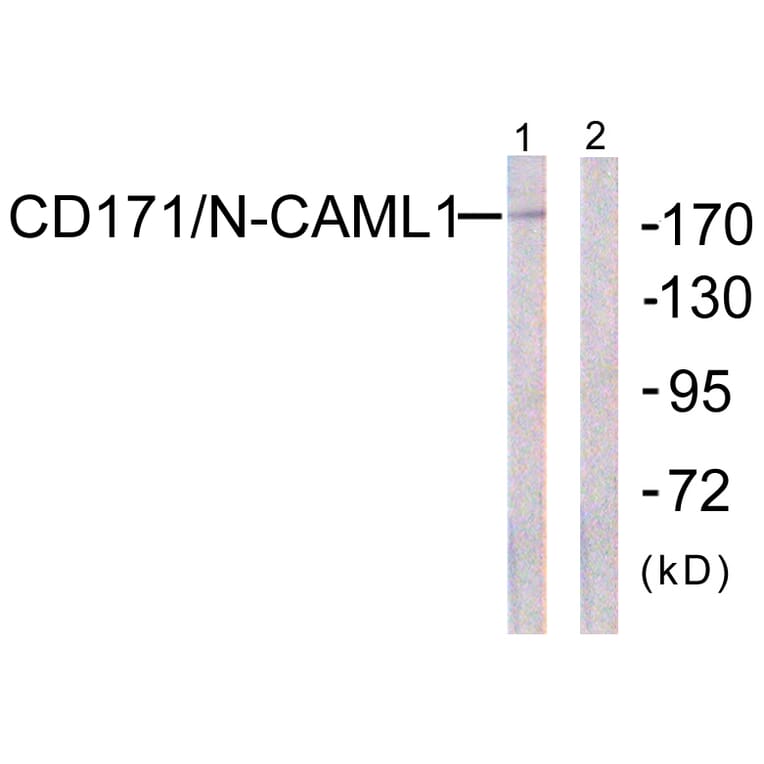
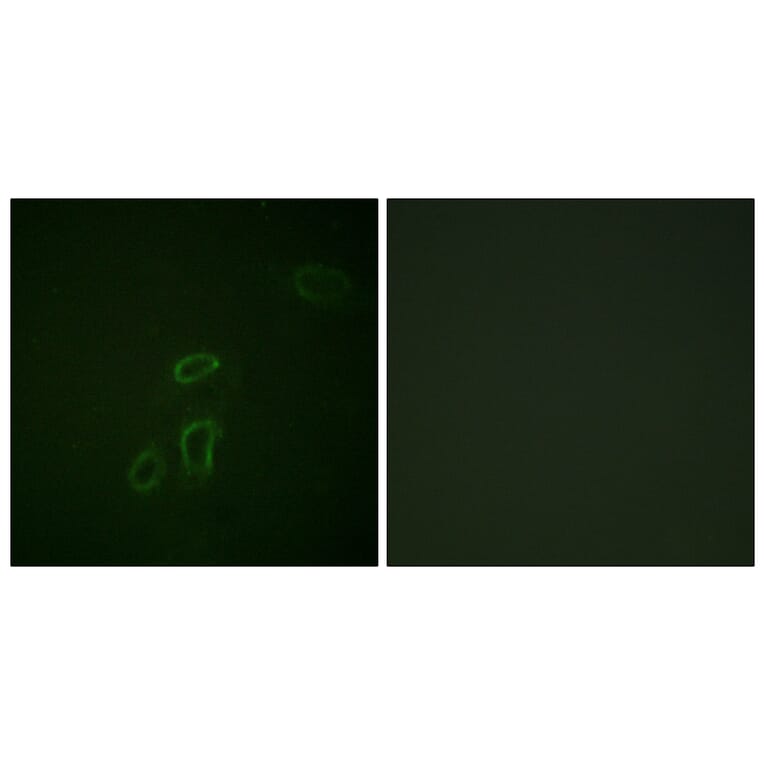
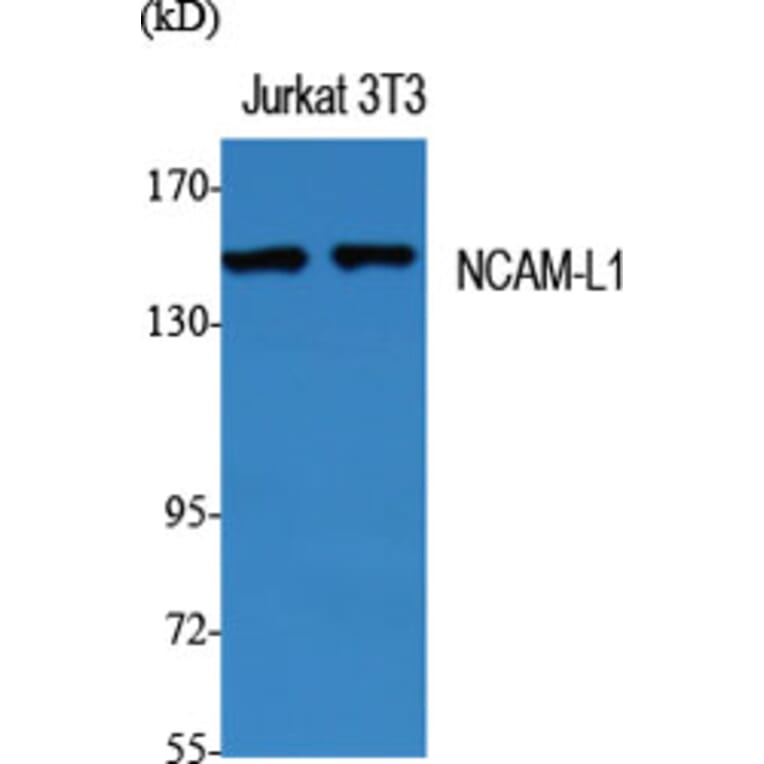
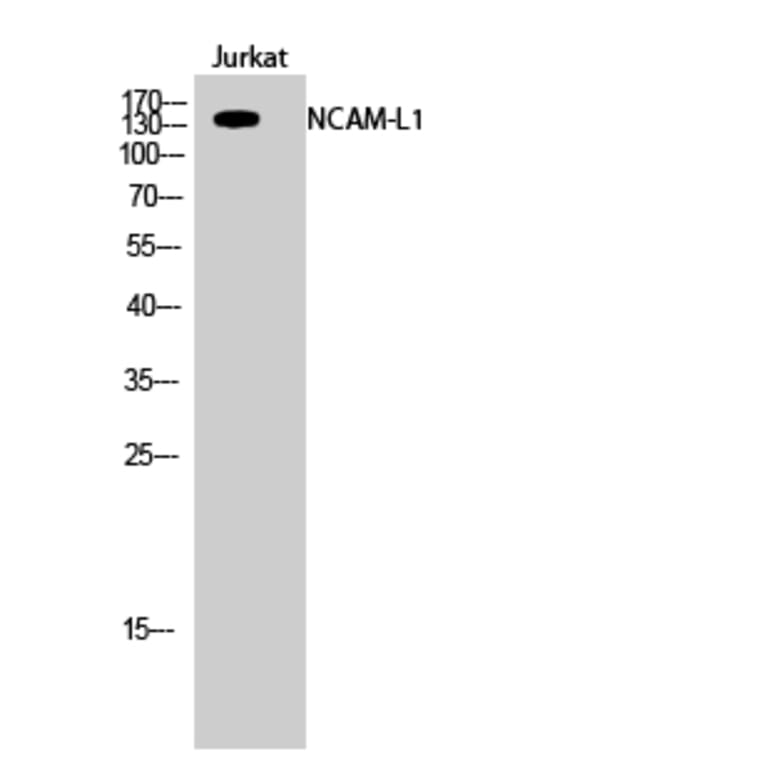
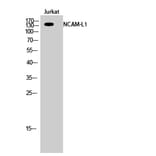
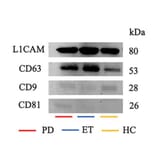
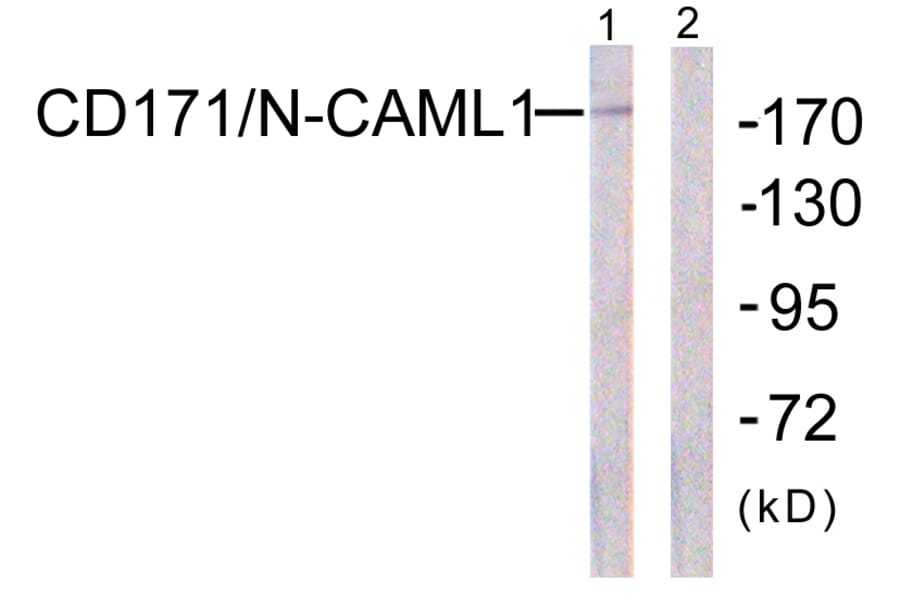
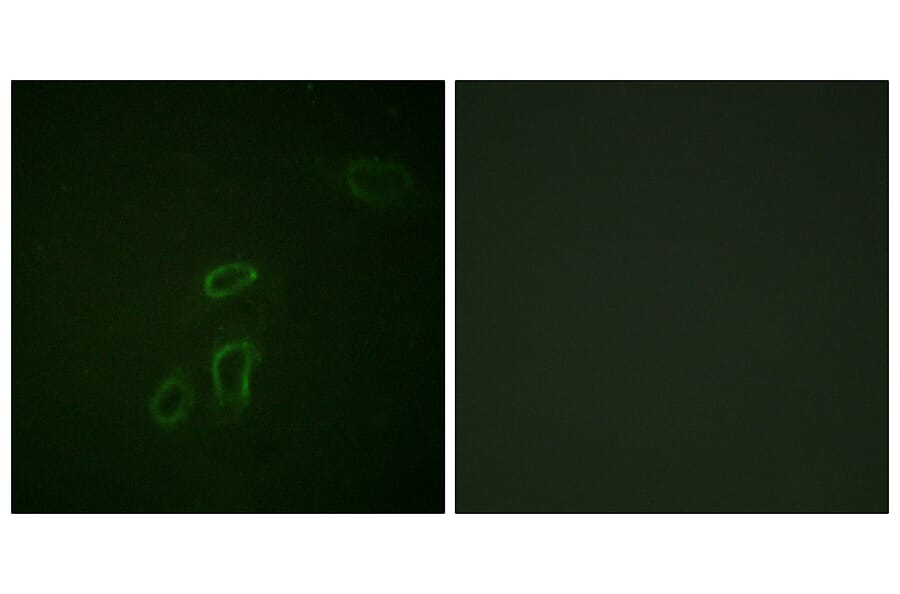
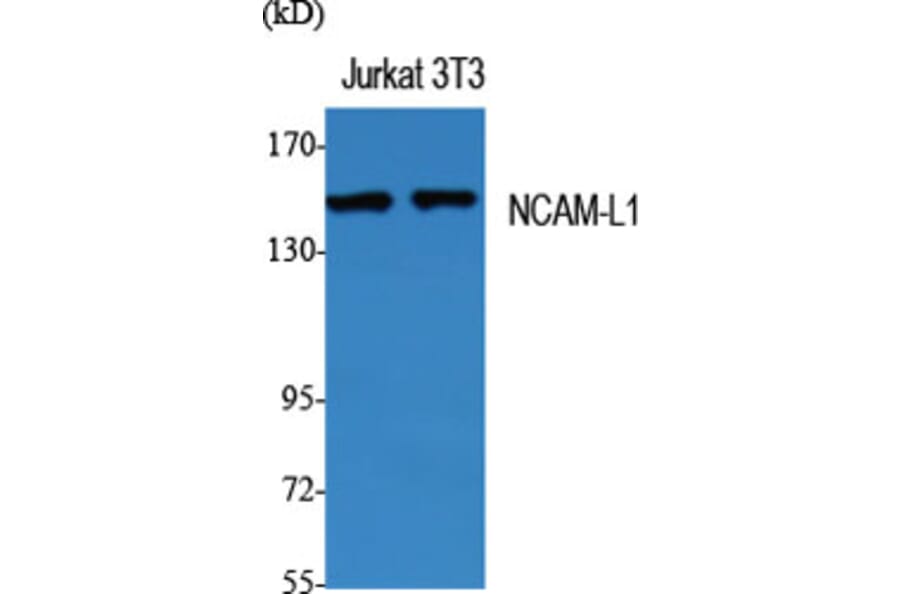
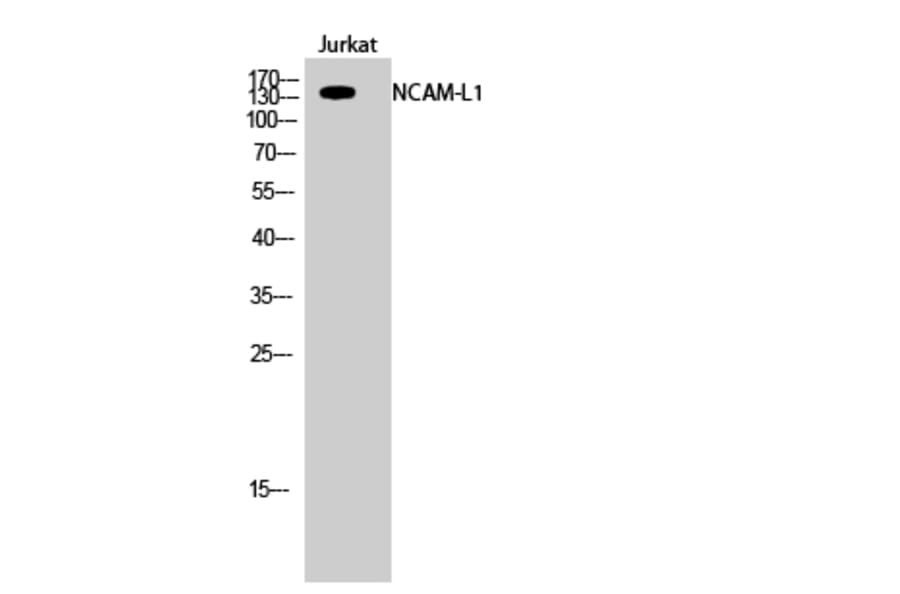

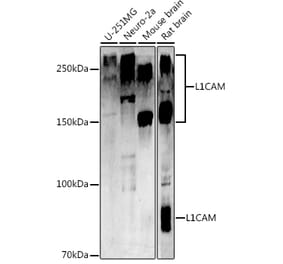
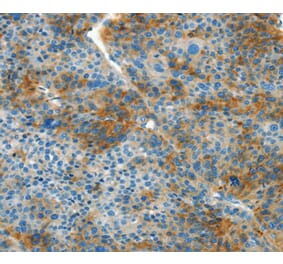

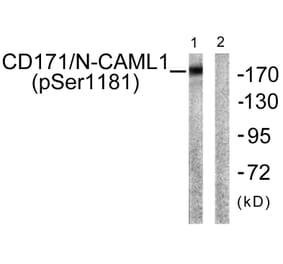

![SDS-PAGE - Anti-L1CAM Antibody [JCAR23] Biosimilar - BSA and Azide free (A340091) - Antibodies.com](https://cdn.antibodies.com/image/catalog/340/A340091_1.jpg?profile=product_alternative)
![SDS-PAGE - Anti-L1CAM Antibody [SPM275] (A251855) - Antibodies.com](https://cdn.antibodies.com/image/catalog/249/A249220_1.jpg?profile=product_alternative)