
Unconjugated
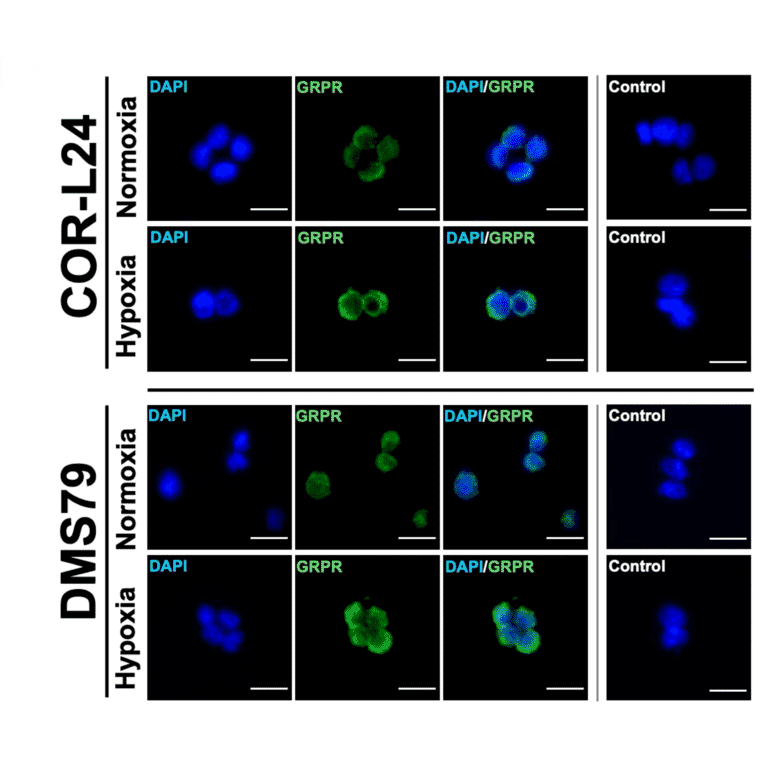
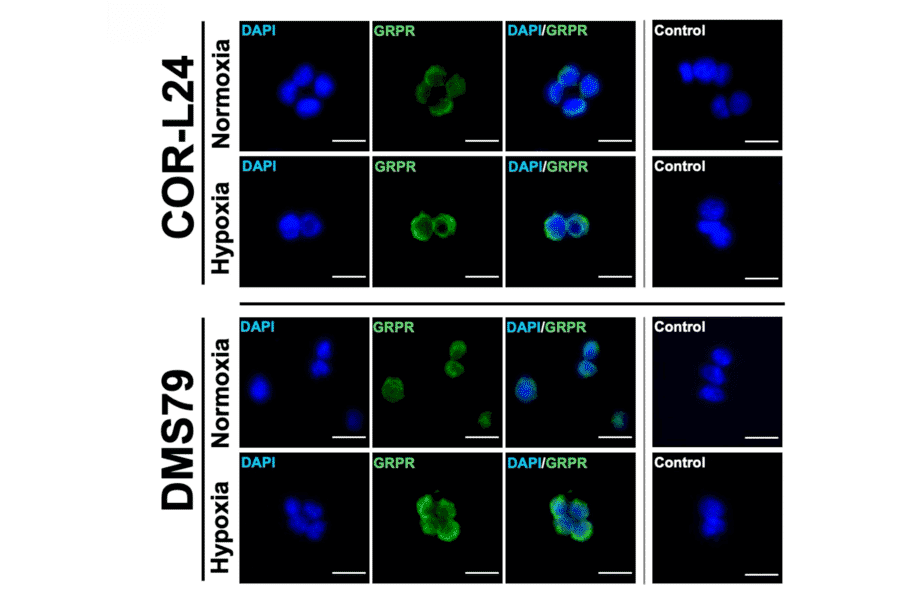
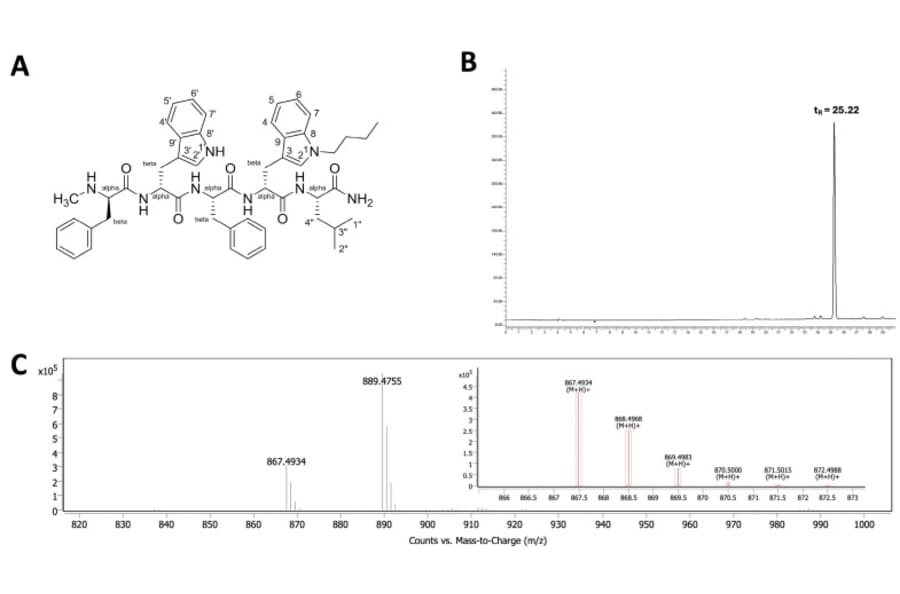
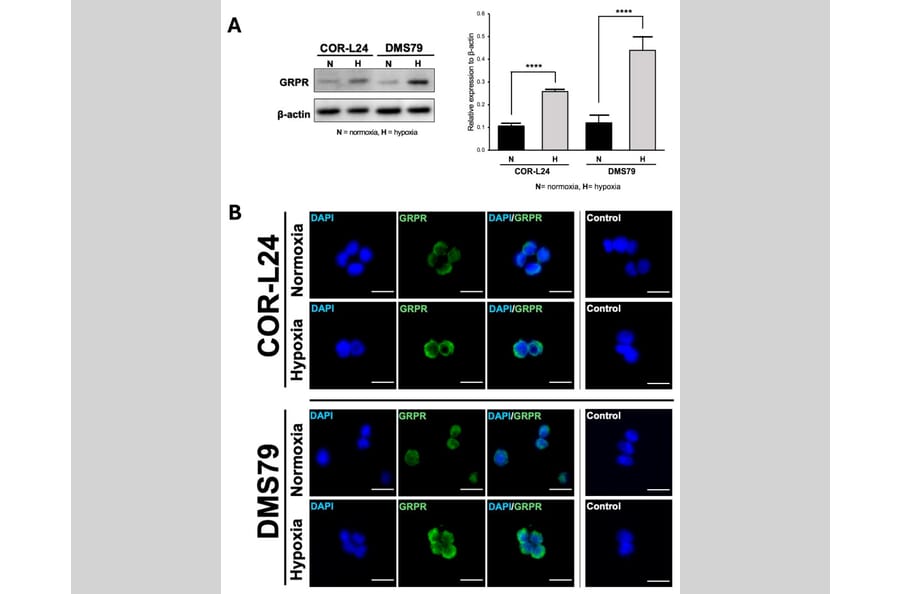
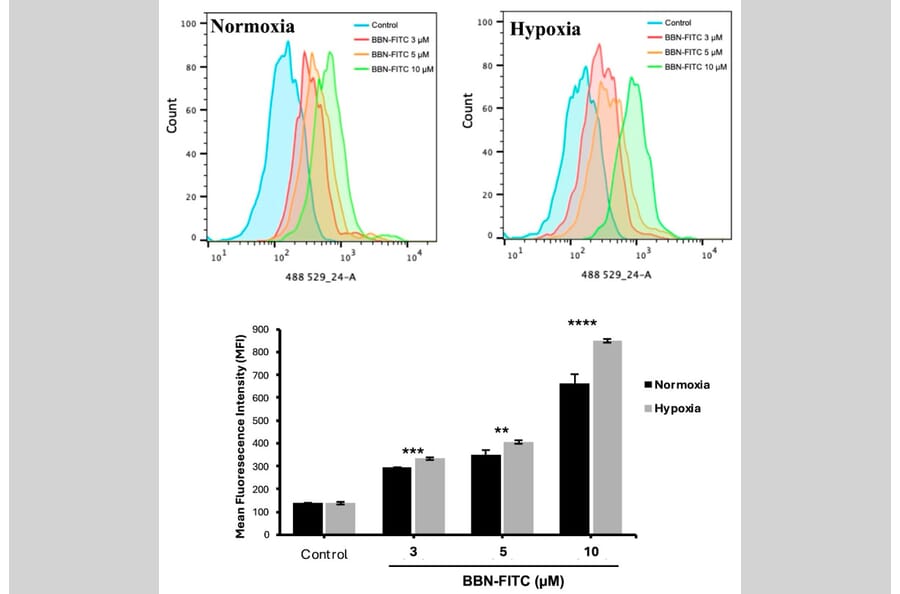
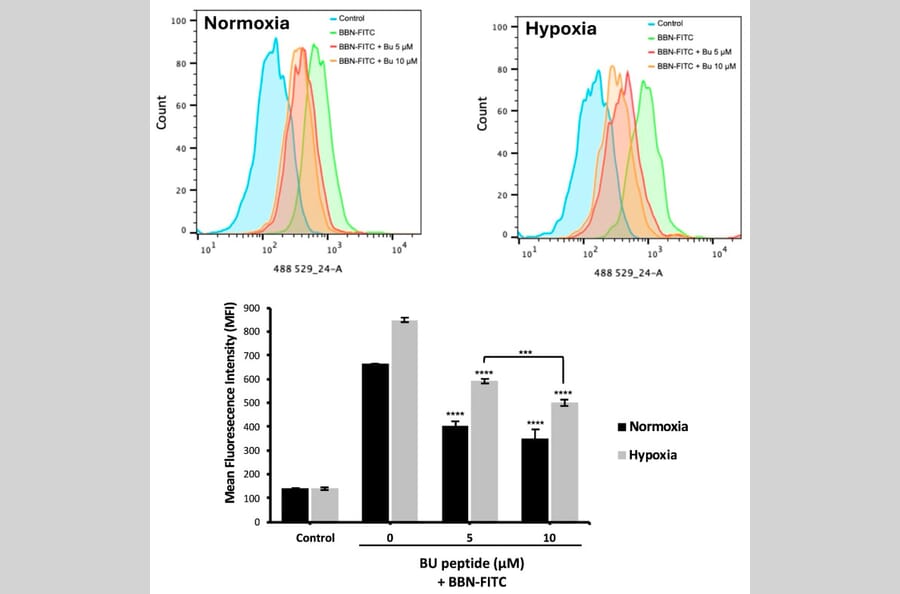
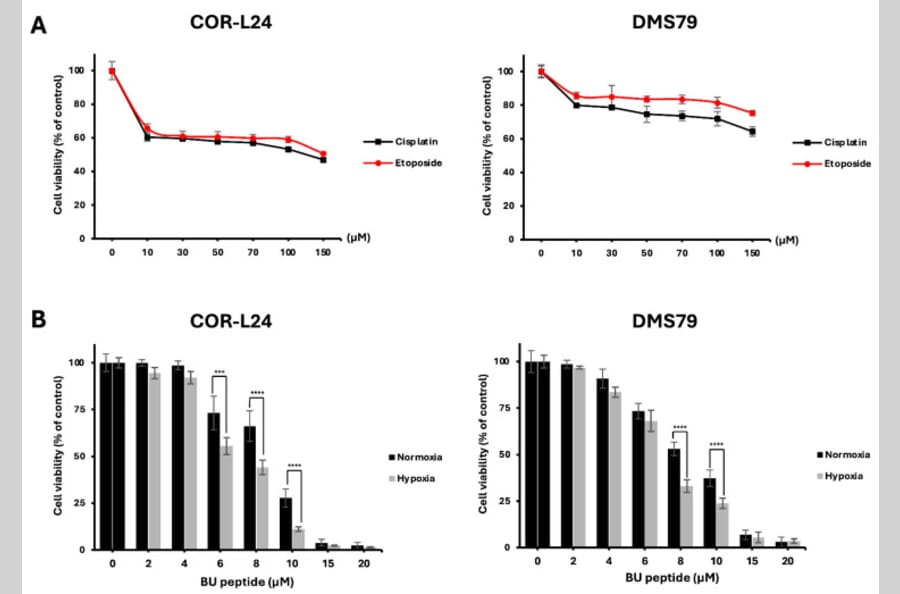
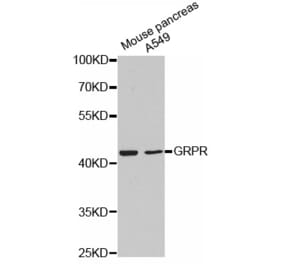
Small cell lung cancer (SCLC) is an aggressive neuroendocrine tumour with limited treatment options and a poor prognosis. Hypoxia, a hallmark of solid tumours, contributes to therapeutic resistance and tumour progression. Gastrin-releasing peptide receptor (GRPR) is known to be overexpressed in SCLC; however, its regulation under hypoxic conditions is not well described. In this study, we demonstrate that hypoxia significantly enhances GRPR expression in SCLC cell lines, COR-L24 and DMS79, as confirmed by Western blot, immunofluorescence, and flow cytometric analysis of binding with fluorescein isothiocyanate-labelled bombesin (BBN-FITC), a known GRPR ligand. To exploit this upregulation, we synthesised a previously discovered butylated neuropeptide antagonist (BU peptide) using a new method of solid-phase peptide synthesis (SPPS) by Boc chemistry and evaluated its therapeutic potential. BU peptide exhibited potent, dose-dependent cytotoxicity in both cell lines, with significantly greater efficacy under hypoxic conditions compared to normoxia. Mechanistic studies revealed that BU peptide inhibits GRP-GRPR-mediated activation of the PI3K/Akt and MAPK/ERK signalling pathways, known to be key regulators of tumour cell survival and proliferation. Moreover, BU peptide induced robust caspase 3/7-mediated apoptosis, especially under hypoxic conditions. These findings suggest that GRPR is a hypoxia-inducible target in SCLC and demonstrate that a synthetically optimised BU peptide antagonist exerts selective efficacy against hypoxic tumour cells, outperforming conventional chemotherapy agents. These findings provide new mechanistic insights into SCLC and suggest translational potential to inform the development of future treatment strategies for this and other hypoxia-driven malignancies.