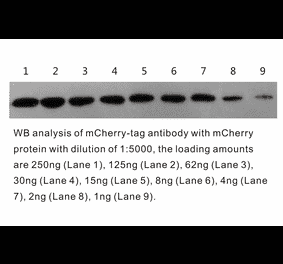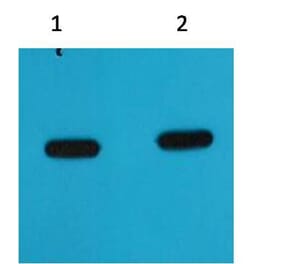

Unconjugated
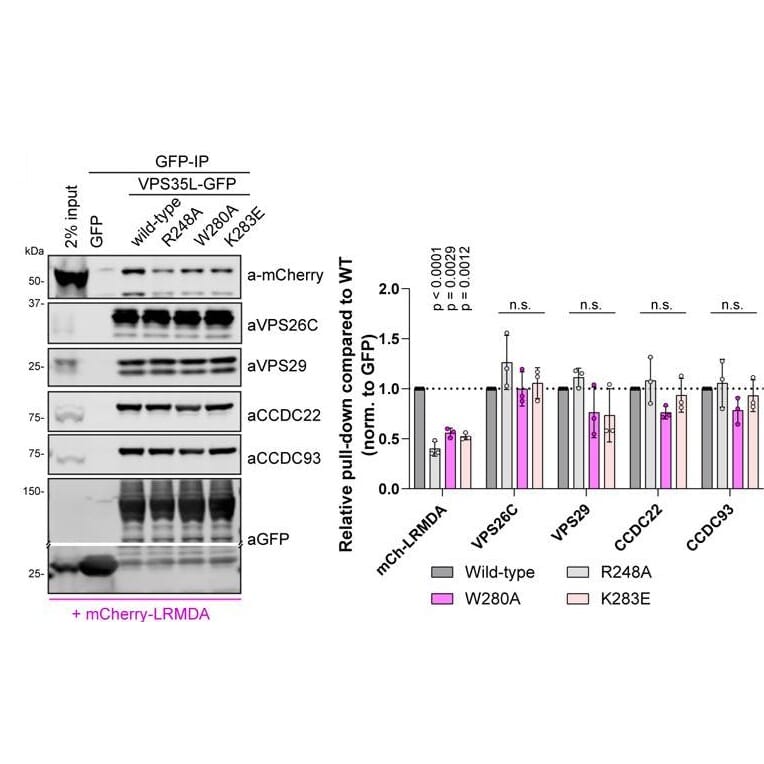
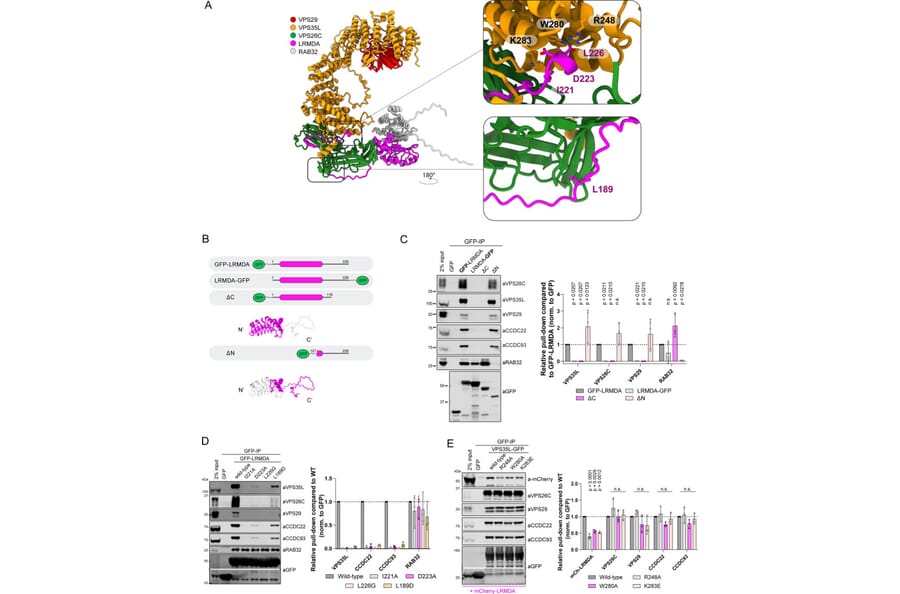
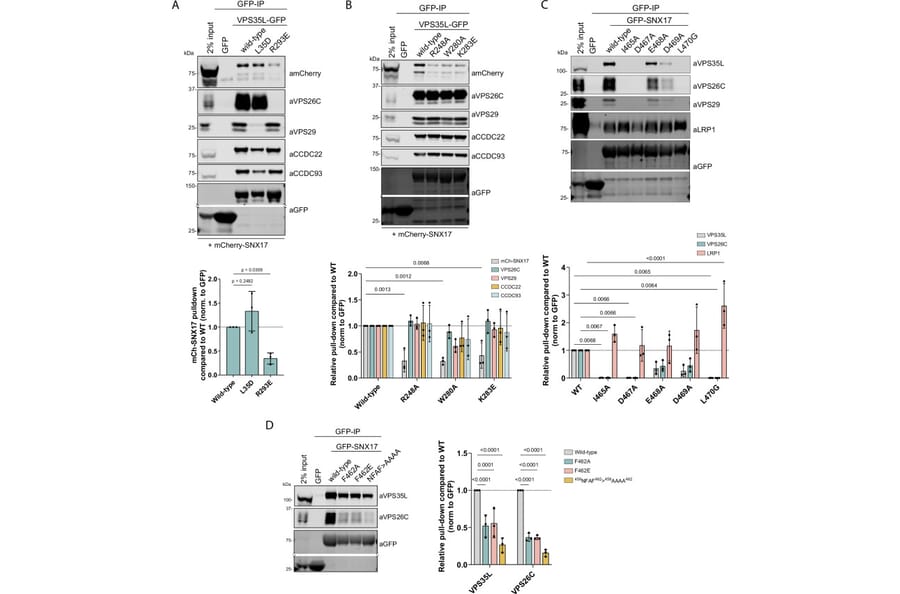
The endosomal Commander assembly associates with the sorting nexin-17 (SNX17) cargo adaptor to regulate cell surface recycling of internalised integral proteins including integrins and lipoprotein receptors. Here, we identify leucine rich melanocyte differentiation associated (LRMDA) as a Commander binding protein. We reveal that LRMDA and SNX17 share a common mechanism of Commander association, and that LRMDA simultaneously associates with Commander and active RAB32, establishing distinct RAB32-LRMDA-Commander and SNX17-Commander assemblies. Functional analysis in melanocytes reveals distinct roles for RAB32-LRMDA-Commander and SNX17-Commander in melanosome biogenesis. We reveal how LRMDA mutations, causative for oculocutaneous albinism type 7, a hypopigmentation disorder accompanied by poor visual acuity, uncouple RAB32 and Commander binding thereby establishing the mechanistic basis of this disease. Our discovery of this alternative Commander assembly highlights the plasticity of Commander function in human pigmentation and extends the Commander function beyond the SNX17-mediated regulation of cell surface proteome.
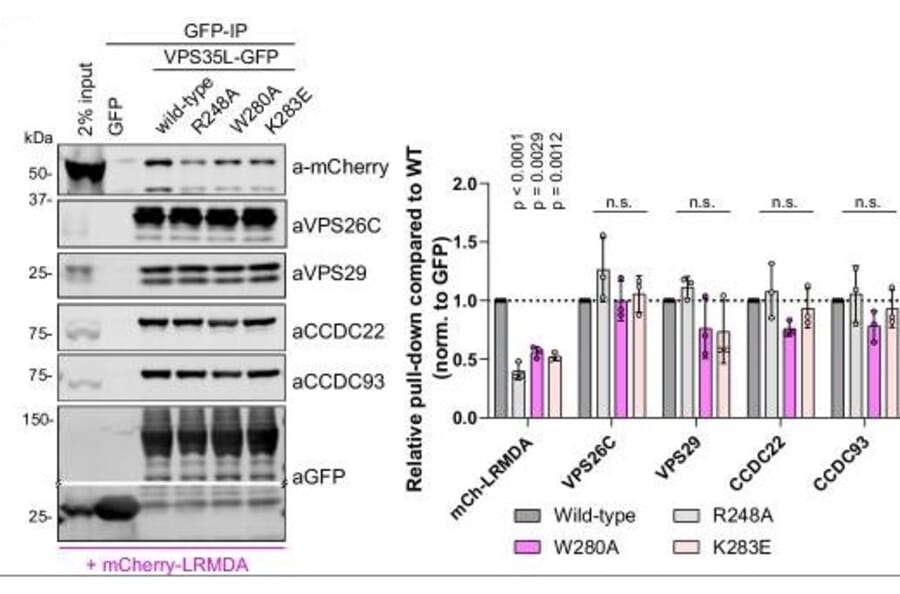
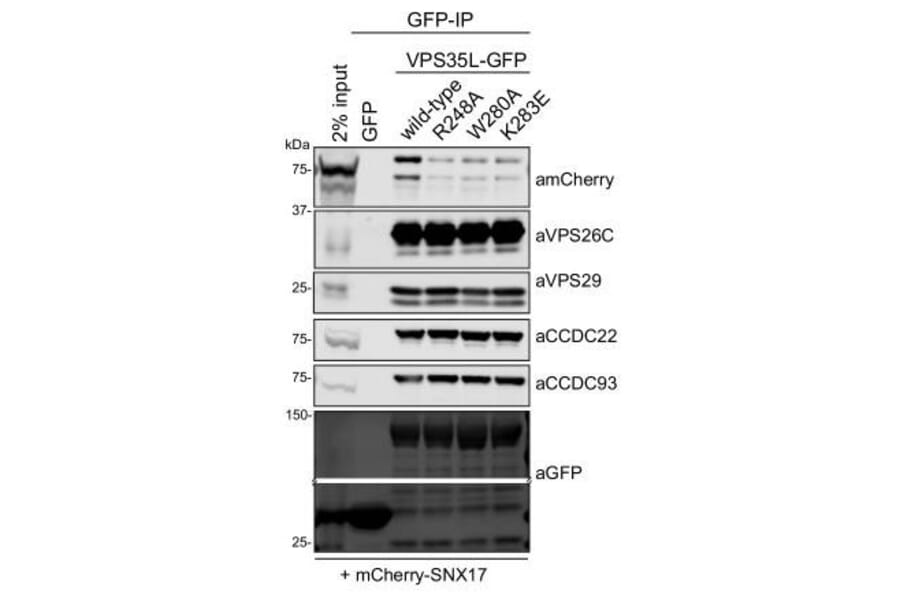
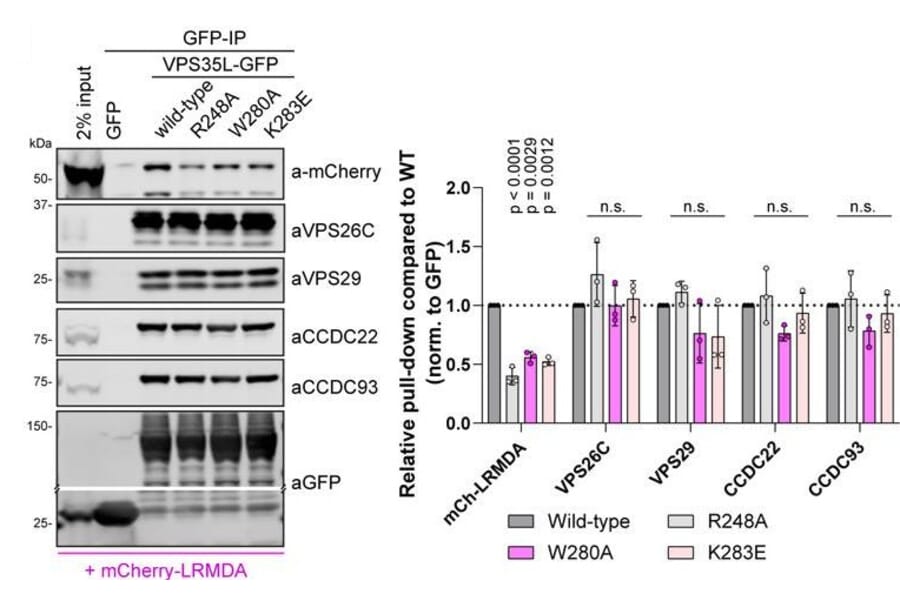
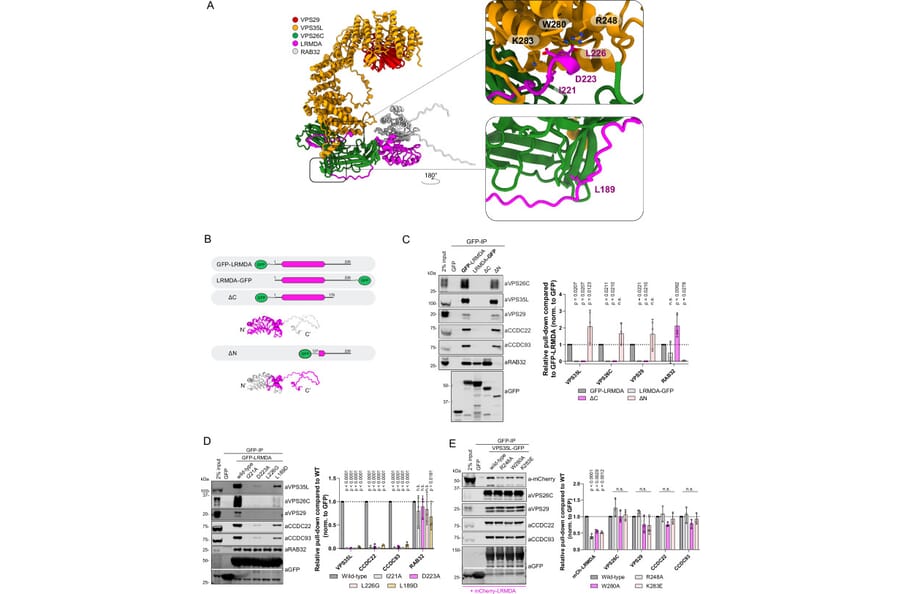
Commander is an endosome associated sixteen protein assembly that associates with the sorting nexin 17 (SNX17) cargo adaptor to regulate cell surface recycling of internalised integral membrane proteins including integrins and lipoprotein receptors. Mutations in Commander are causative for Ritscher-Schinzel syndrome (RSS), a multiorgan developmental disease associated with a core triad of cerebellar-cardiac-craniofacial malformation. Here, using unbiased proteomics and computational modelling, we identify leucine rich melanocyte differentiation associated (LRMDA) as a novel Commander binding protein. Using recombinant protein reconstitution, we show that LRMDA simultaneously associates with Commander and active RAB32, and, by revealing that LRMDA and SNX17 share a common mechanism of Commander association, establish the mutually exclusive nature of RAB32-LRMDA-Commander and SNX17-Commander assemblies. From functional analysis in human melanocytes, we establish an essential role for RAB32-LRMDA-Commander in melanosome biogenesis and pigmentation and reveal a distinct functional role for SNX17-Commander in this organelle biogenesis pathway. We reveal how LRMDA mutations, causative for oculocutaneous albinism type 7 (OCA7), a hypopigmentation disorder accompanied by poor visual acuity, uncouple RAB32 and Commander binding thereby establishing the mechanistic basis of this disease. Our discovery and characterisation of this alternative Commander assembly establishes an unrecognised plasticity of Commander function within a highly complex organelle biogenesis pathway. This extends Commander function beyond the confines of SNX17-mediated cell surface recycling into RAB32-family mediated biogenesis of lysosome-related organelles and, potentially, other RAB32 regulated pathways including host-pathogen defence mechanisms. Our work also extends the breath of Commander pathway dysfunction for human disease.
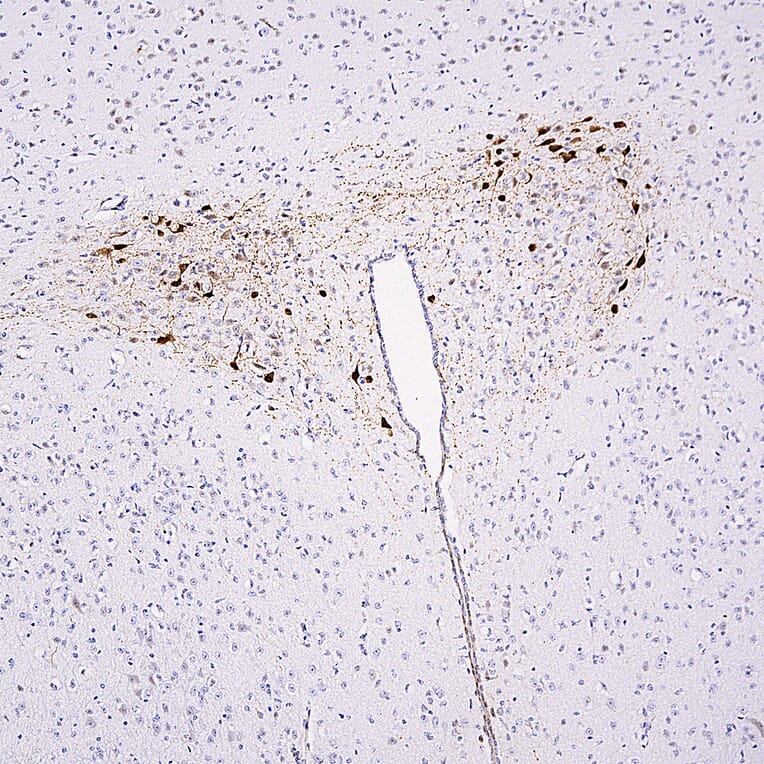
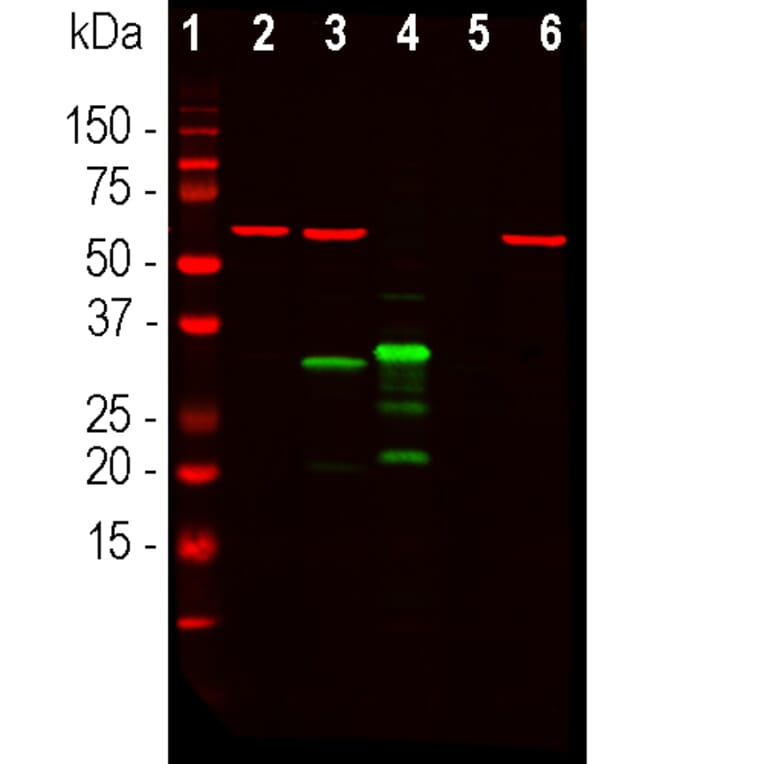
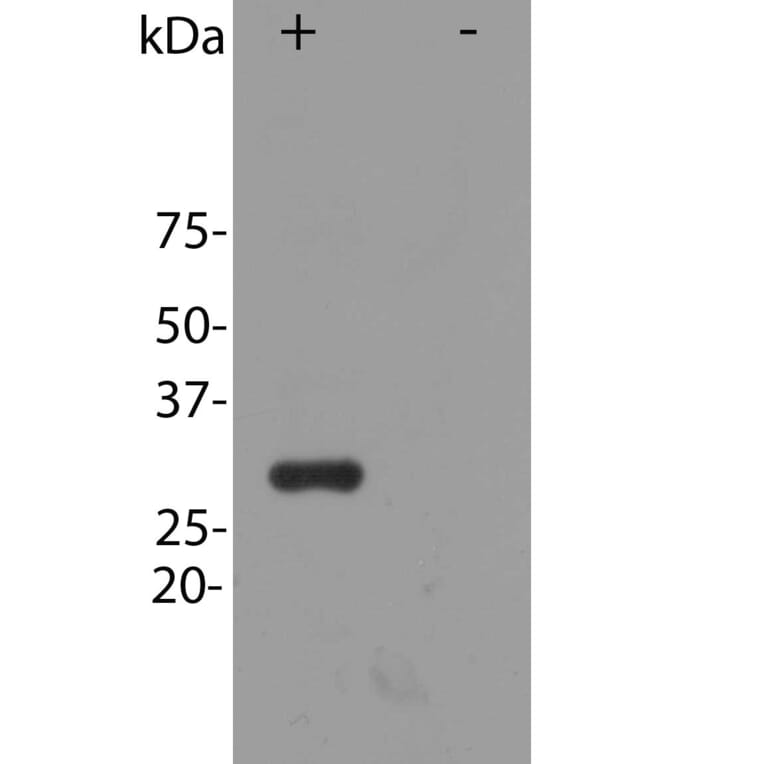
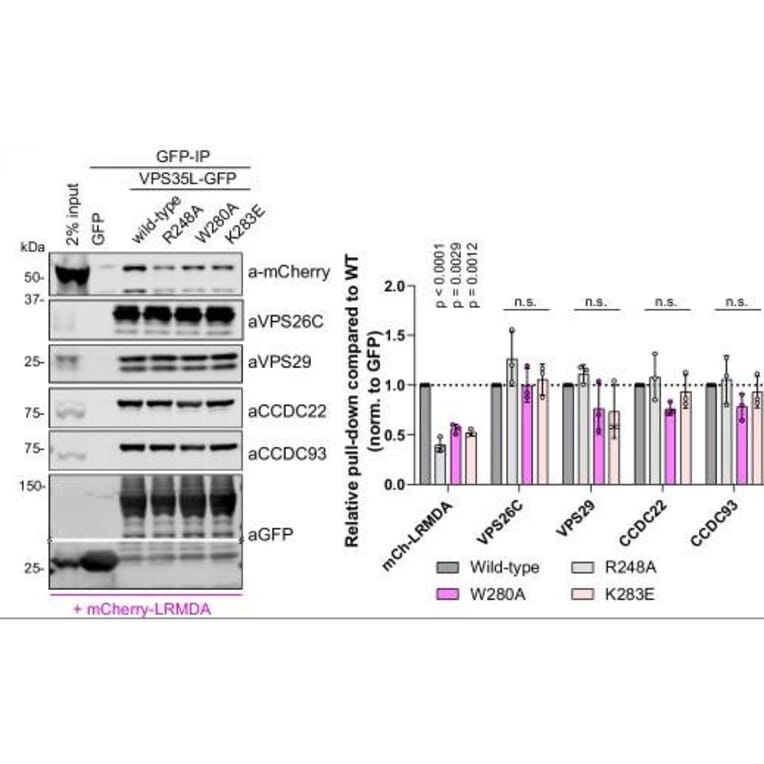
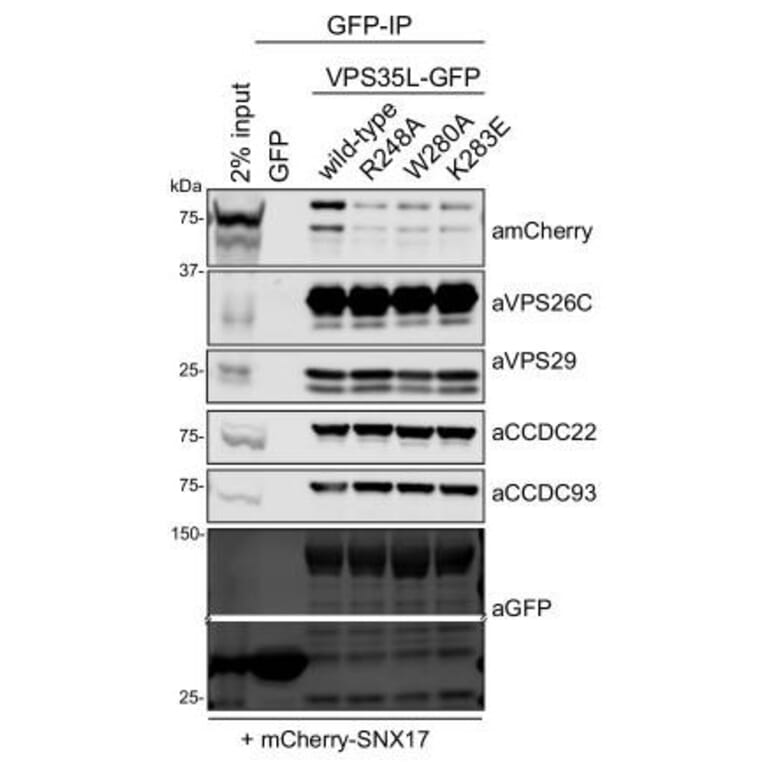
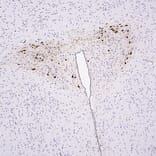
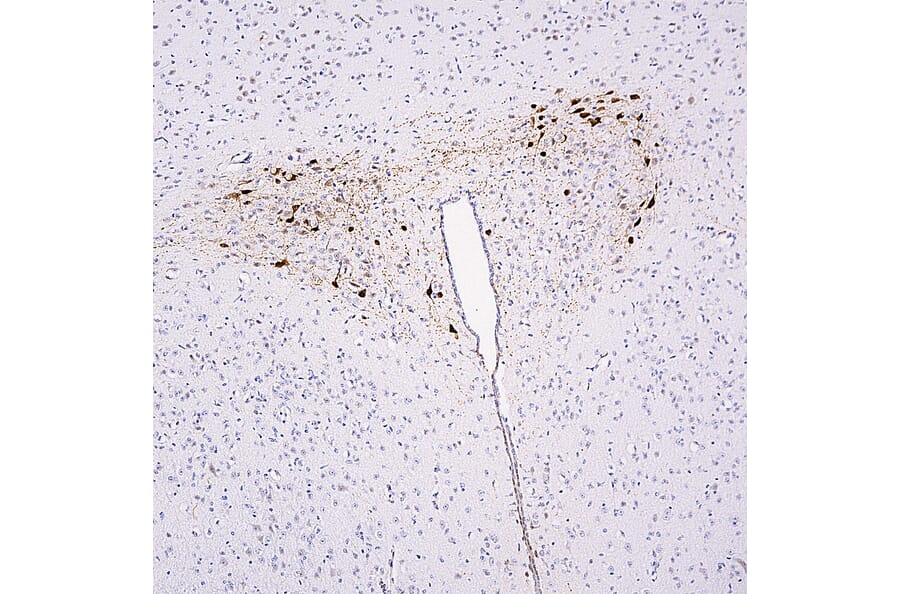
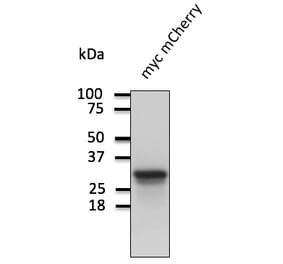
![Immunohistochemistry - Anti-mCherry Antibody [1C51] (A85305) - Antibodies.com](https://cdn.antibodies.com/image/catalog/85/A85305_1.jpg?profile=product_alternative)

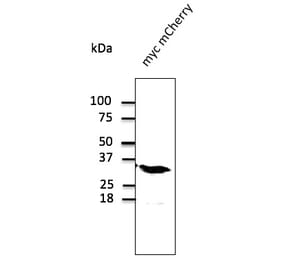
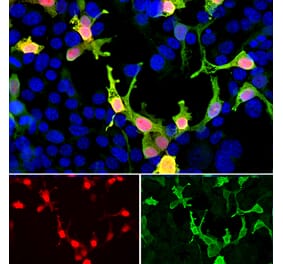
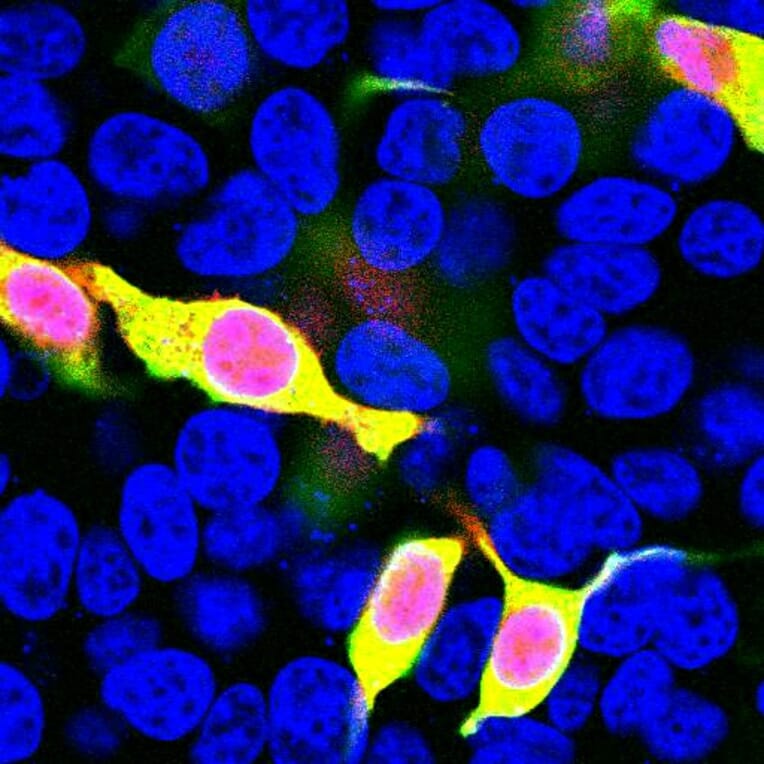
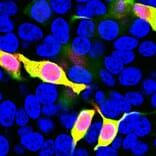
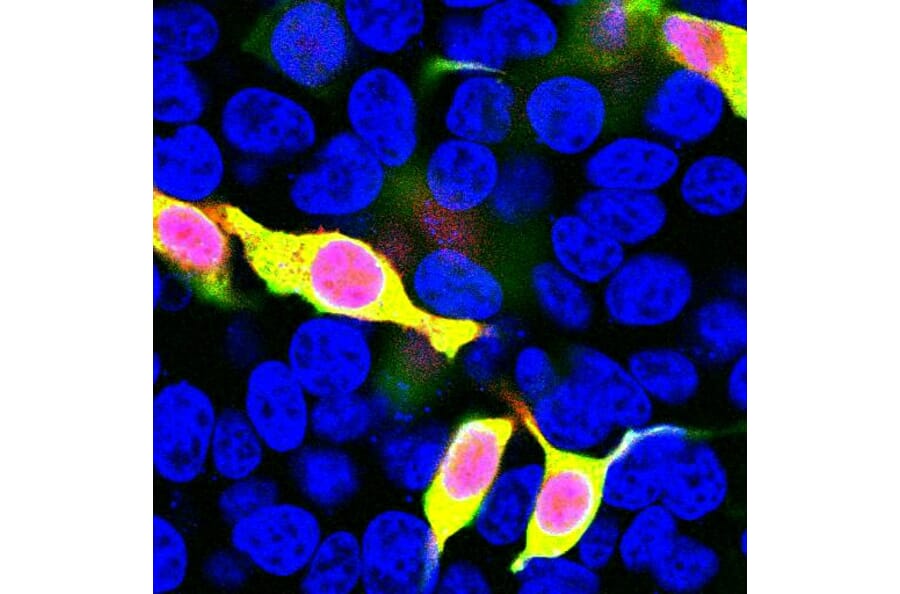
![Immunofluorescence - Anti-mCherry Antibody [5A6] (A104343) - Antibodies.com](https://cdn.antibodies.com/image/catalog/104/A104343_1.jpg?profile=product_alternative)
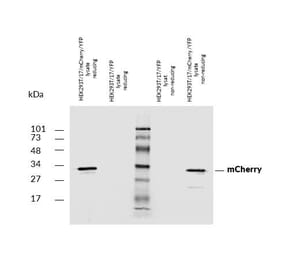
![Dose-response - Anti-mCherry Nanobody [SAA0406] (A337467) - Antibodies.com](https://cdn.antibodies.com/image/catalog/337/A337467_1.jpg?profile=product_alternative)
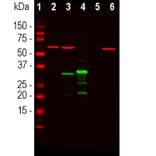
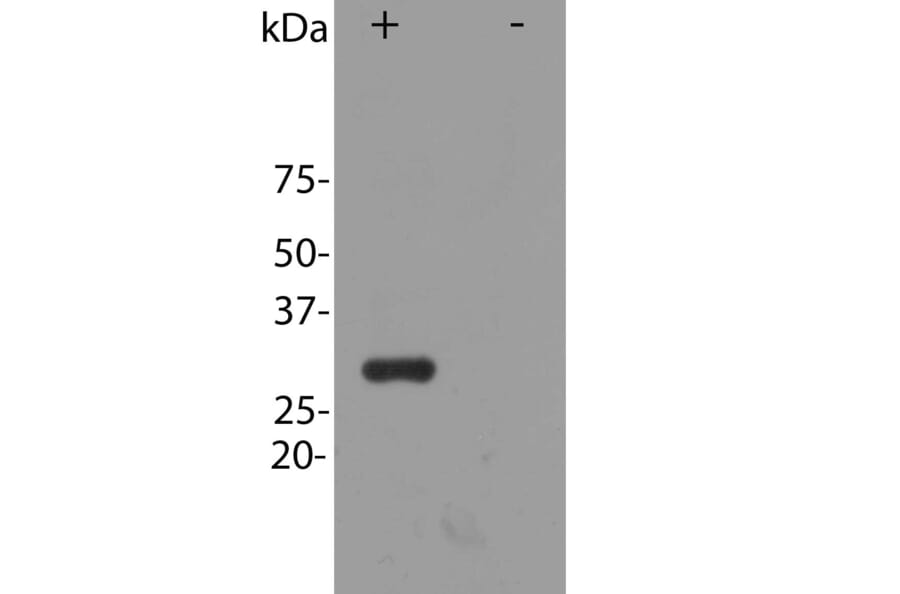
![SDS-PAGE - Anti-mCherry Nanobody [SAA1128] (A337479) - Antibodies.com](https://cdn.antibodies.com/image/catalog/337/A337479_1.jpg?profile=product_alternative)
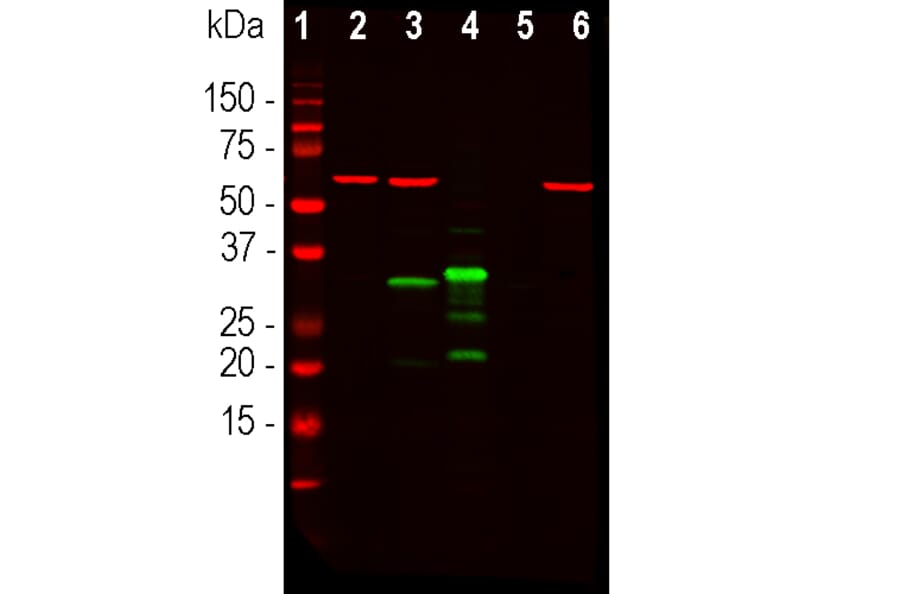
![SDS-PAGE - Anti-mCherry Nanobody [SAA0879] (A337478) - Antibodies.com](https://cdn.antibodies.com/image/catalog/337/A337478_1.jpg?profile=product_alternative)