
Unconjugated
The architecture of sub-nuclear structures of eucaryotic cells is often changed during the infectious cycle of many animal and plant viruses. Cajal bodies (CBs) form a major sub-nuclear structure whose functions may include the regulation of cellular RNA metabolism. During the lifecycle of human adenovirus 5 (Ad5), CBs are reorganized from their spherical-like structure into smaller clusters termed microfoci. The mechanism of this reorganization and its significance for virus replication has yet to be established. Here we show that the major CB protein, p80-coilin, facilitates the nuclear export of Ad5 transcripts. Depletion of p80-coilin by RNA interference led to lowered levels of viral proteins and infectious virus. p80-coilin was found to form a complex with the viral L4-22K protein in Ad5-infected cells and in some reorganized microfoci. These findings assign a new role for p80-coilin as a potential regulator of infection by a human DNA virus.
The acetylation-dependent (Ac/)N-degron pathway degrades proteins through recognition of their acetylated N-termini (Nt) by E3 ligases called Ac/N-recognins. To date, specific Ac/N-recognins have not been defined in plants. Here we used molecular, genetic, and multiomics approaches to characterize potential roles for Arabidopsis (Arabidopsis thaliana) DEGRADATION OF ALPHA2 10 (DOA10)-like E3 ligases in the Nt-acetylation-(NTA)-dependent turnover of proteins at global- and protein-specific scales. Arabidopsis has two endoplasmic reticulum (ER)-localized DOA10-like proteins. AtDOA10A, but not the Brassicaceae-specific AtDOA10B, can compensate for loss of yeast (Saccharomyces cerevisiae) ScDOA10 function. Transcriptome and Nt-acetylome profiling of an Atdoa10a/b RNAi mutant revealed no obvious differences in the global NTA profile compared to wild type, suggesting that AtDOA10s do not regulate the bulk turnover of NTA substrates. Using protein steady-state and cycloheximide-chase degradation assays in yeast and Arabidopsis, we showed that turnover of ER-localized SQUALENE EPOXIDASE 1 (AtSQE1), a critical sterol biosynthesis enzyme, is mediated by AtDOA10s. Degradation of AtSQE1 in planta did not depend on NTA, but Nt-acetyltransferases indirectly impacted its turnover in yeast, indicating kingdom-specific differences in NTA and cellular proteostasis. Our work suggests that, in contrast to yeast and mammals, targeting of Nt-acetylated proteins is not a major function of DOA10-like E3 ligases in Arabidopsis and provides further insight into plant ERAD and the conservation of regulatory mechanisms controlling sterol biosynthesis in eukaryotes.
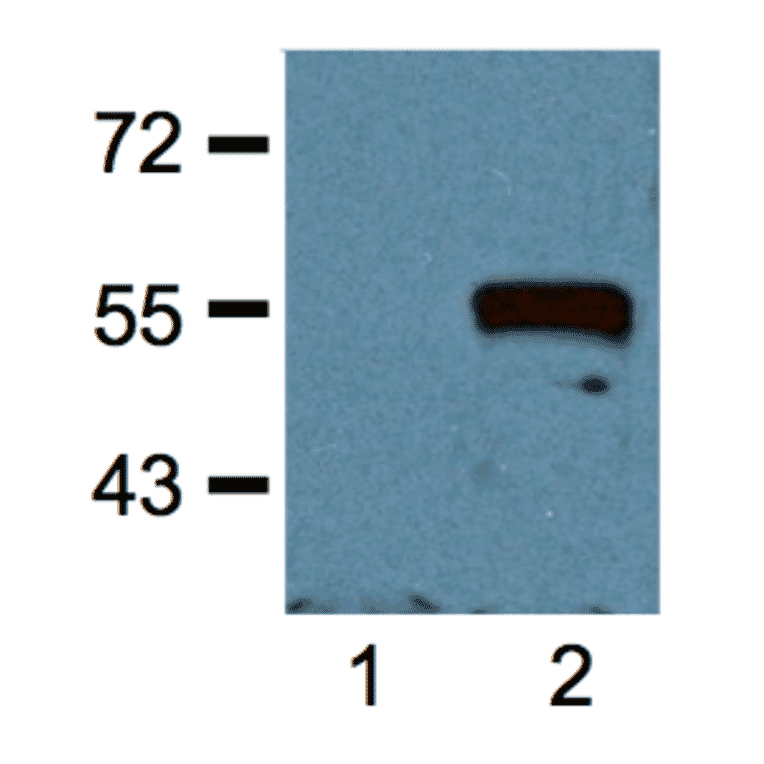
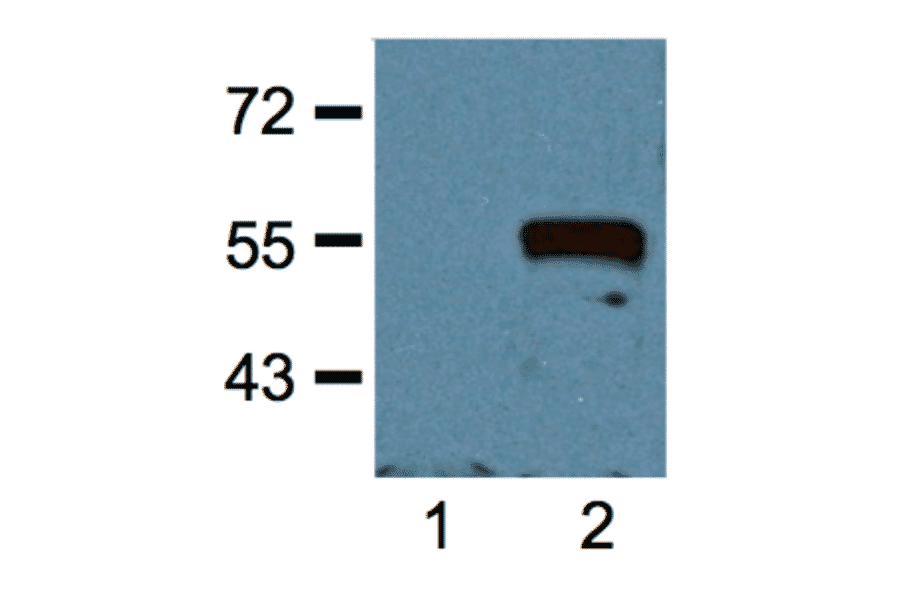

![Flow Cytometry - Anti-Myc Tag Antibody [9E10] (A85464)](https://cdn.antibodies.com/image/catalog/85/A85464_1.jpg?profile=product_alternative)