
Unconjugated
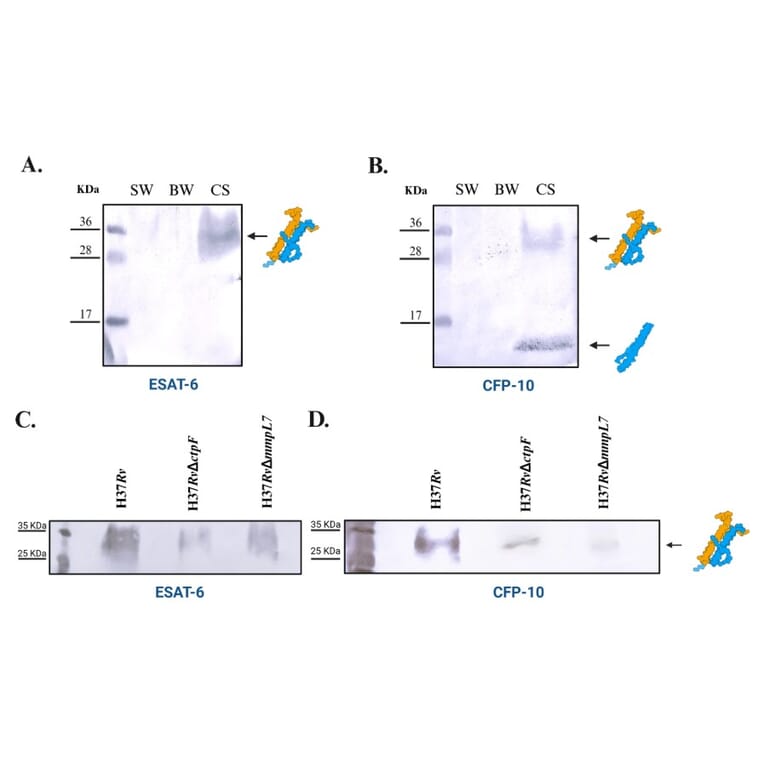
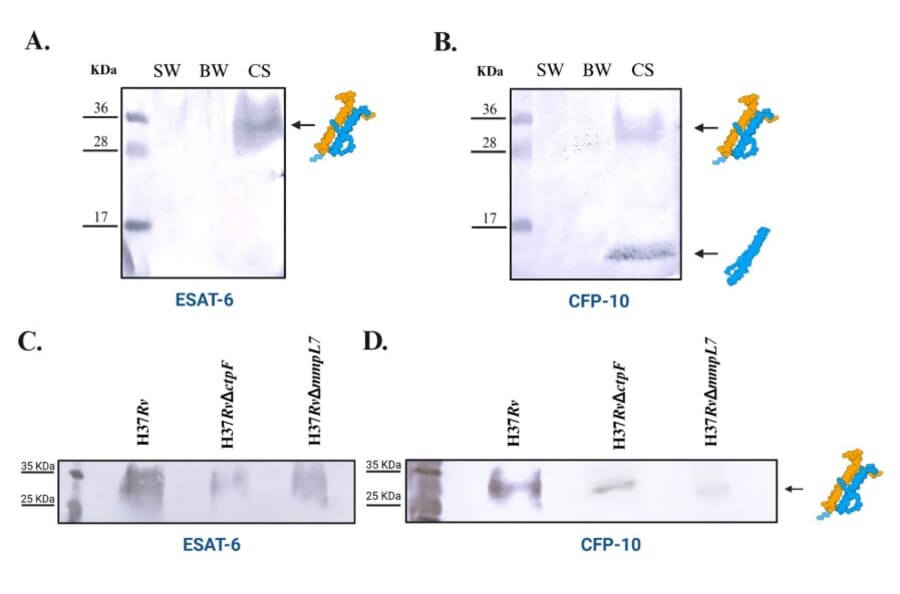
Tuberculosis (TB) remains a major global public health problem, emphasizing the necessity of identifying attenuation targets in Mycobacterium tuberculosis (Mtb) for the development of novel control strategies. In this context, plasma membrane transporters are critical determinants of Mtb virulence, including CtpF, a Ca2+ P-type ATPase, and MmpL7, a translocator of phthiocerol dimycocerosate (PDIM). In this study, we characterized in vitro the microbiological features of the MtbH37Rv?ctpF and MtbH37Rv?mmpL7 strains. Both mutants displayed reduced colony roughness and hydrophobicity compared to MtbH37Rv, suggesting alterations in the composition of cell wall lipids. Chromatographic analyses confirmed changes in the lipid profiles; MtbH37Rv?ctpF exhibited altered phosphatidylinositol mannosides and trehalose dimycolates profiles, whereas MtbH37Rv?mmpL7 showed accumulated PDIM intracellularly. Moreover, transcriptional analyses revealed the downregulation of PDIM biosynthesis and transport genes in both mutants. However, both strains retained the ability to secrete early secreted antigenic target-6 (ESAT-6) and culture filtrate protein-10 (CFP-10), indicating that their immunostimulatory potential was preserved. These findings provide in vitro evidence that deletions of ctpF and mmpL7 alter envelope-associated traits commonly linked to mycobacterial virulence.