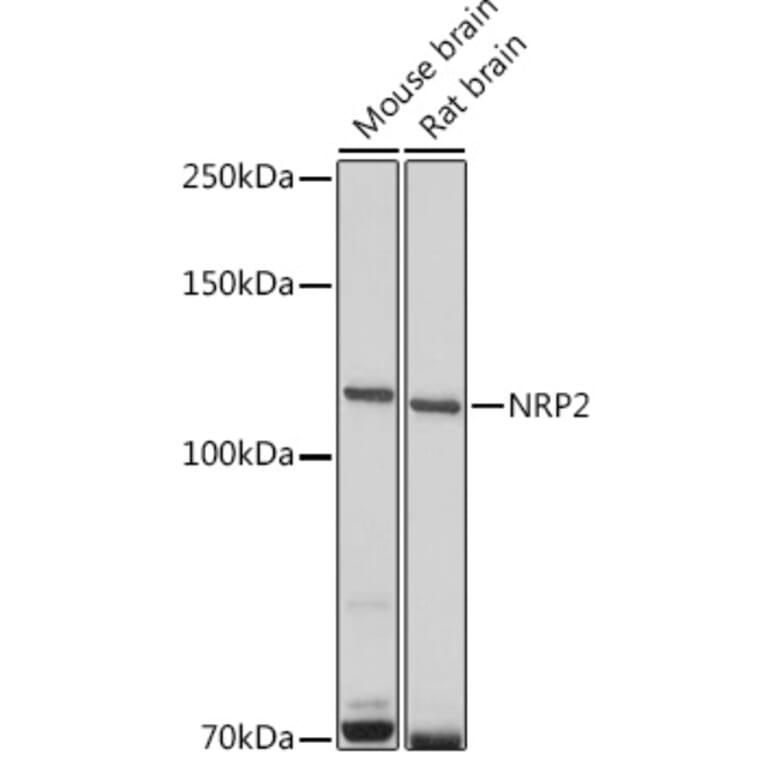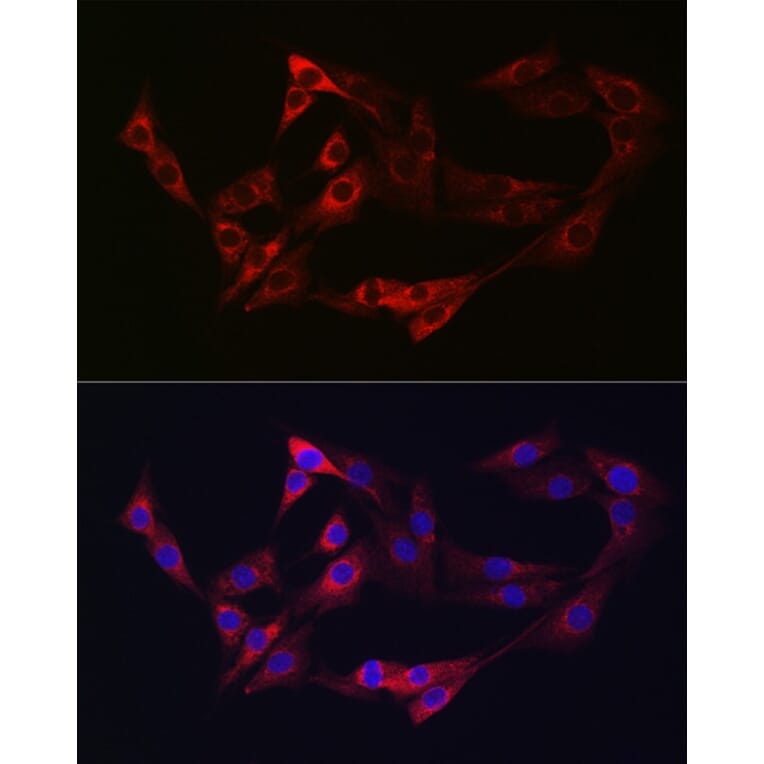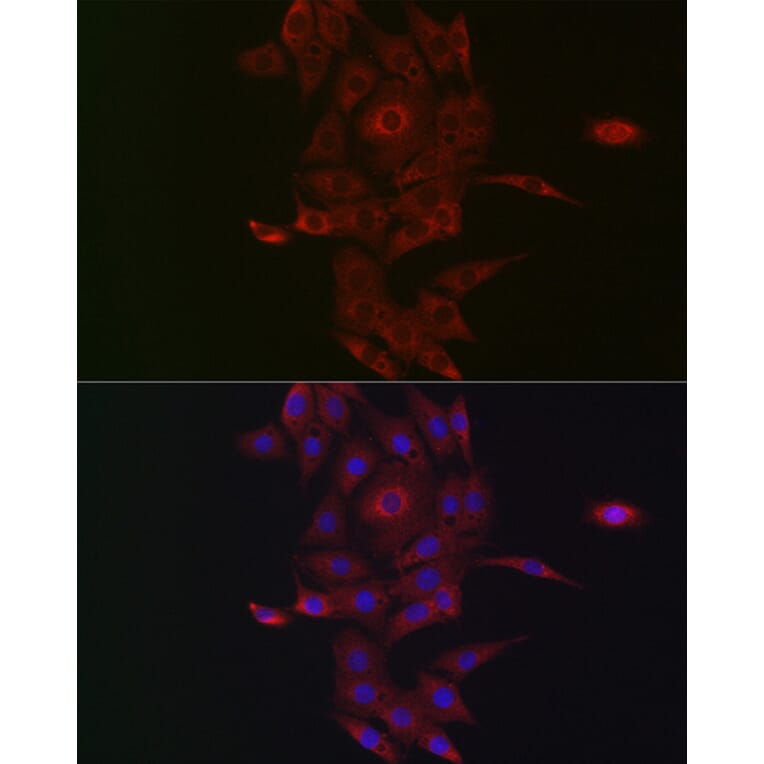

Unconjugated
Objective: Epilepsy is a chronic neurological condition characterized by recurrent seizures, often linked to neuroinflammation and oxidative stress that exacerbate neuronal injury. Neuropilin-2 (NRP2) and Nuclear Factor-Kappa B (NF-?B) are key mediators in these pathways. This study evaluated the neuroprotective effects of emodin, a bioactive anthraquinone with antioxidant and anti-inflammatory properties, in a pentylenetetrazole (PTZ)-induced mouse model of epilepsy.
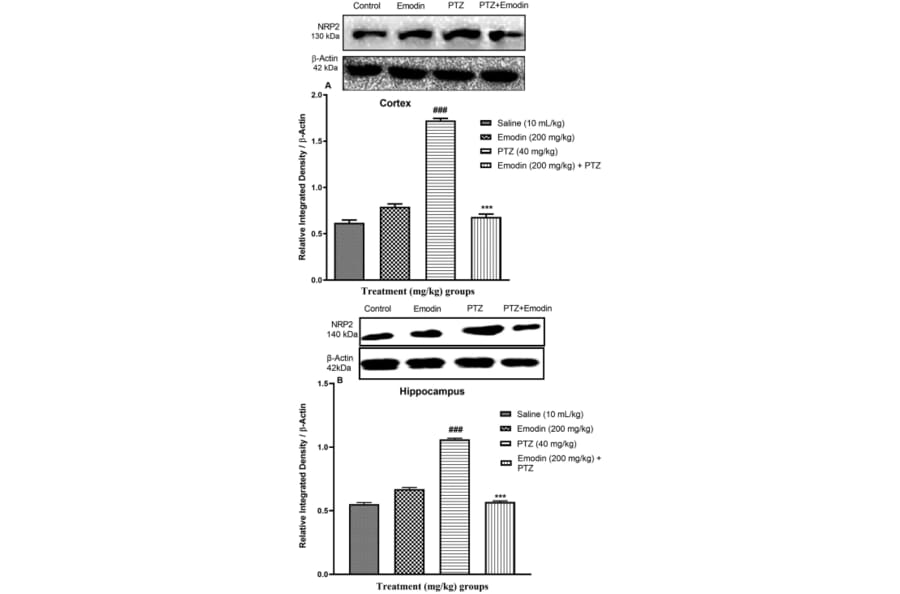
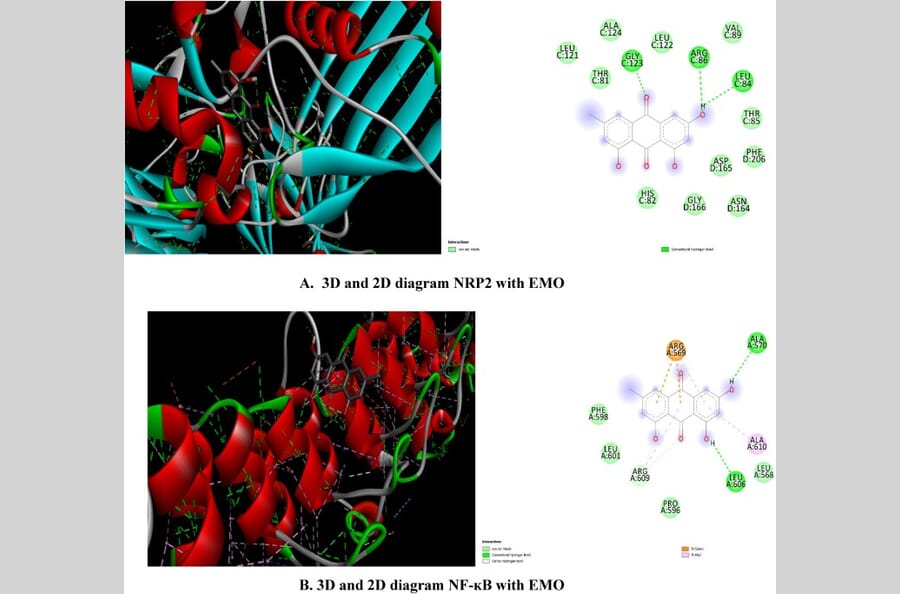
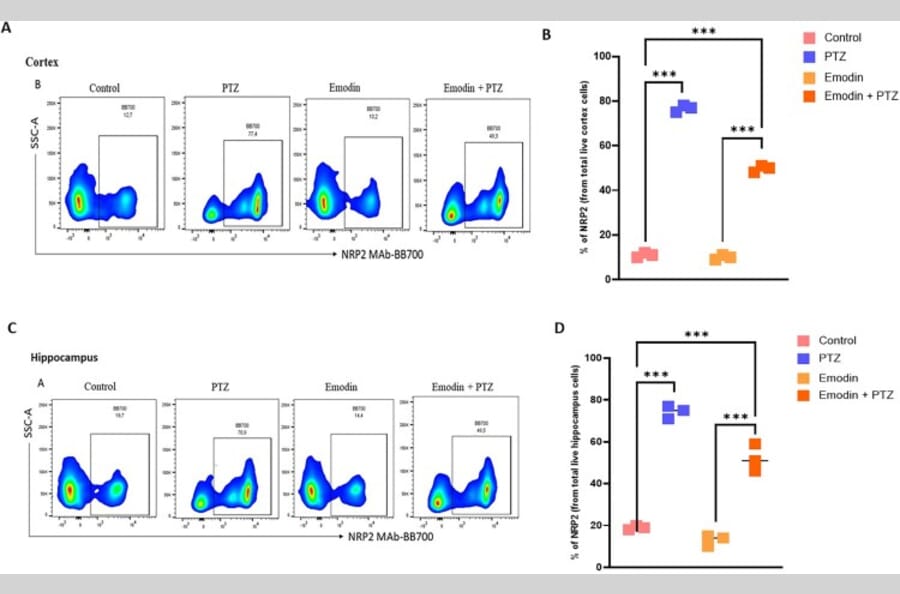
Methods: Seizure severity, anxiety-like behavior (Elevated Plus Maze), and cognitive function (Morris Water Maze) were assessed. Oxidative stress markers including glutathione (GSH), catalase, lipid peroxidation (LPO), and glutathione-S-transferase (GST) were measured. Expression of NRP2, NF-?B, and proinflammatory cytokines (TNF-a, IL-6) was quantified. Docking studies examined emodin's binding affinity to NRP2 and NF-?B.
Results: Emodin (200 mg/kg) significantly reduced seizure frequency and severity, improved anxiety-like behavior, and enhanced cognition. Biochemical analysis showed restored oxidative balance, with increased GSH and catalase activity and reduced LPO and GST dysfunction. Molecular studies revealed downregulation of NRP2, NF-?B, and cytokines. Docking confirmed strong binding affinity to NRP2 and NF-?B.
Conclusion: Emodin alleviates oxidative stress and neuroinflammation by modulating NRP2 and NF-?B pathways, suggesting therapeutic potential in epilepsy.