
Unconjugated
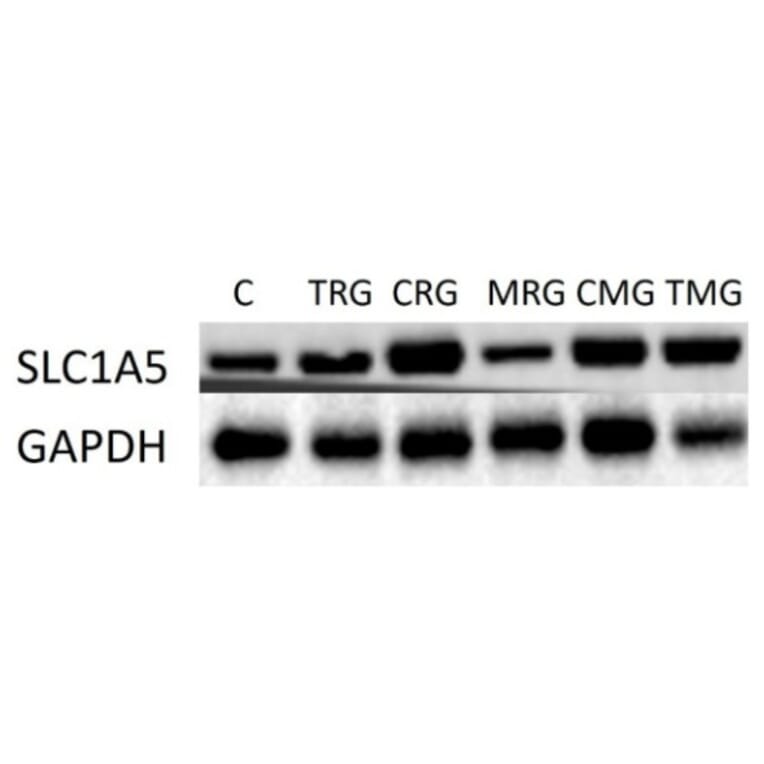
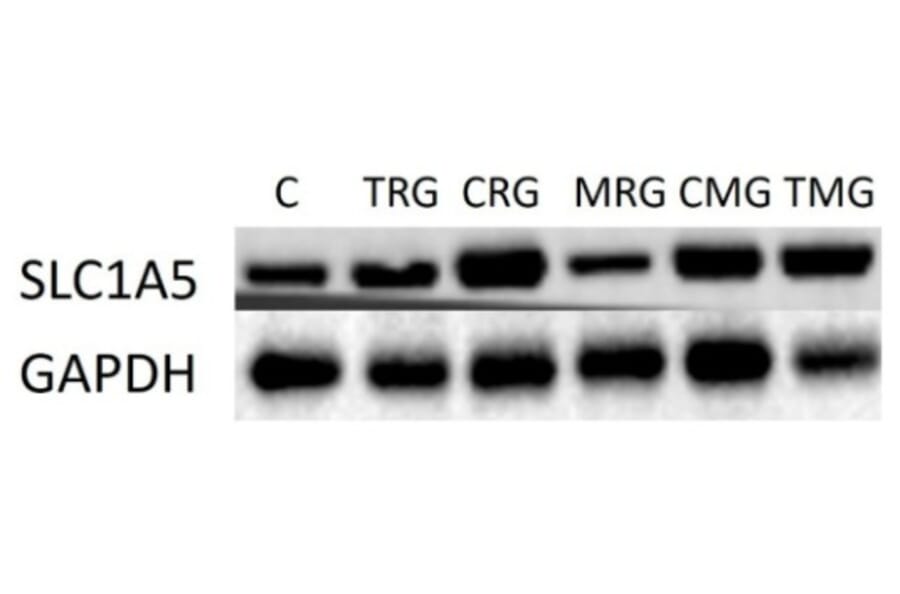
Patients undergoing immunosuppressive therapy are at risk of adverse gastrointestinal symptoms such as diarrhea, nausea, intestinal barrier leakage, and nutrient malabsorption. One mechanism underlying these complications may be increased levels of oxidative stress in the cell, and thus an increased predisposition of enterocytes to programmed death. We examined the effects of triple immunosuppressive regimens on the concentration of glutathione, the SLC1A5 receptor, caspase-3, caspase-9, Bcl-2, Bax, and apoptosis in the rat intestine. For this purpose, we used Western blot analysis, ELISA, and the TUNEL method. The study began with 36 rats divided into six groups, which were administered the drugs for a period of six months. Our results suggest that chronic use of standard immunosuppressive regimens increases the risk of oxidative stress in the rat intestine, as manifested by increased expression of glutathione or the SLC1A5 transporter. The use of rapamycin in combination with cyclosporine A or mycophenolate mofetil leads to increased cellular apoptosis in the rat intestine, which is associated with a failure of compensatory mechanisms for elevated oxidative stress. The combination of tacrolimus with rapamycin results in the highest percentage of TUNEL positivity, and the apoptotic pathway is not a result of increased oxidative stress in the tissue.