
Unconjugated
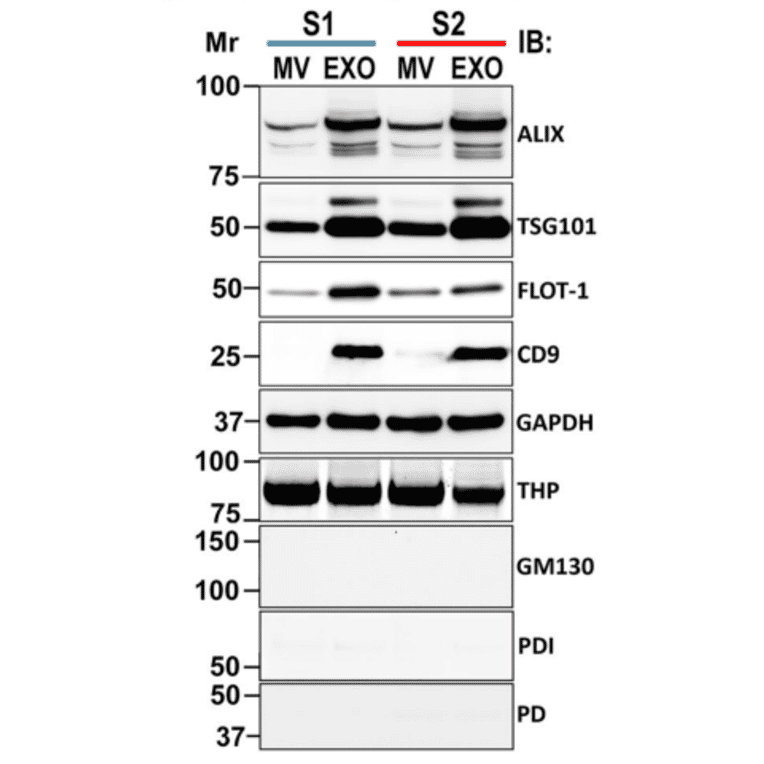
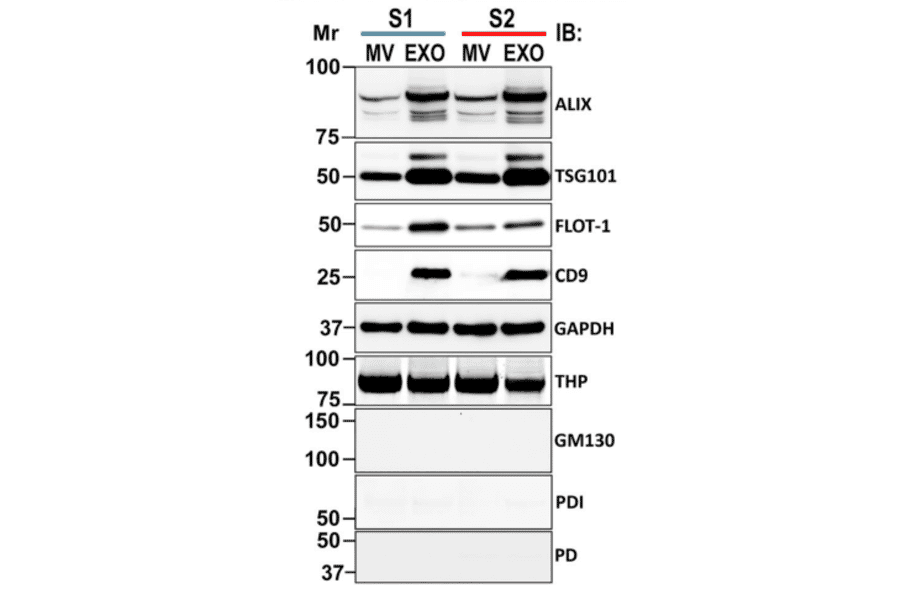
The magnitude of combined analytical errors of urinary extracellular vesicle (uEV) preparation and measurement techniques (CVA) has not been thoroughly investigated to determine whether it exceeds biological variations. We utilized technical replicates of human urine to assess the repeatability of uEV concentration and size measurements by nanoparticle tracking analysis (NTA) following differential velocity centrifugation (DC), silicon carbide, or polyethylene glycol uEV isolation methods. The DC method attained the highest precision. Consequently, DC-derived uEV size, most abundant protein levels, and optical redox ratio (ORR) were further assessed by dynamic light scattering (DLS), immunoblotting or multi-photon (SLAM) microscopy. Procedural errors primarily affected uEV counting and uEV-associated protein quantification, while instrumental errors contributed most to the total variability of NTA- and DLS-mediated uEV sizing processes. The intra-individual variability (CVI) of uEV counts assessed by NTA was smaller than inter-individual variability (CVG), resulting in an estimated index of individuality IOI < 0.6, suggesting that personalized reference interval (RI) is more suitable for interpretation of changes in subject's test results. Population-based RI was more appropriate for ORR (IOI > 1.4). The analytical performance of DC-NTA and DC-SLAM techniques met optimal CVA < 0.5 × CVI criteria, indicating their suitability for further testing in clinical laboratory settings.