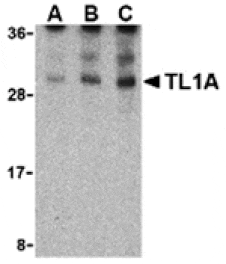
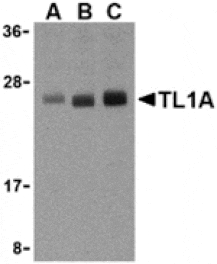
Specificity
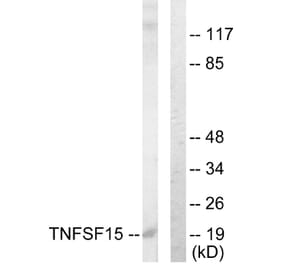
This antibody recognises the amino Terminal of human TL1A, also known as tumour necrosis factor ligand superfamily member 15 (TNFSF15). TL1A acts as a co-stimulator of IFN-gamma secretion through binding to DR3 (death domain receptor 3 or TRAMP) and may play an important role in Th1-mediated diseases such as Crohn’s disease. In cells expressing DR3, TL1A induces NF-kappa-B activation and apoptosis. Decoy receptor 3 (DcR3) is also a receptor for TL1A. DcR3 can apparently neutralise the effect of TL1A, by inhibiting the TL1A-DR3 interaction, thereby inhibiting apoptosis. TL1A is specifically expressed on endothelial cells and is detected on monocytes, placenta, lung, liver, kidney, skeletal muscle, pancreas, spleen, prostate, small intestine and colon.




![Dose-response - Anti-TL1A Antibody [PRA23] Biosimilar - BSA and Azide free (A340328) - Antibodies.com](https://cdn.antibodies.com/image/catalog/340/A340328_1.jpg?profile=product_alternative)
![SDS-PAGE - Anti-TL1A Antibody [TEV-48574] Biosimilar - BSA and Azide free (A340442) - Antibodies.com](https://cdn.antibodies.com/image/catalog/340/A340442_1.jpg?profile=product_alternative)
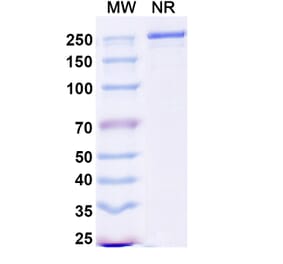
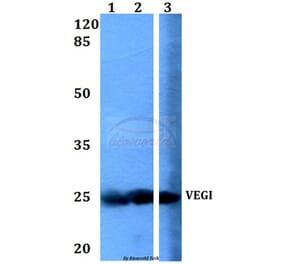
![SDS-PAGE - Anti-TL1A Antibody [TEV-574] Biosimilar - BSA and Azide free (A340846) - Antibodies.com](https://cdn.antibodies.com/image/catalog/340/A340846_1.jpg?profile=product_alternative)
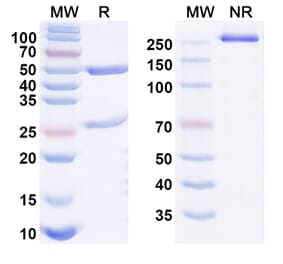
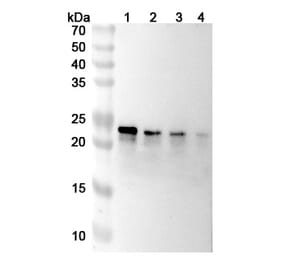
![SDS-PAGE - Anti-TL1A Antibody [PF-64865] Biosimilar - BSA and Azide free (A340327) - Antibodies.com](https://cdn.antibodies.com/image/catalog/340/A340327_1.jpg?profile=product_alternative)
![SDS-PAGE - Anti-TL1A Antibody [PR2] Biosimilar - BSA and Azide free (A340407) - Antibodies.com](https://cdn.antibodies.com/image/catalog/340/A340407_1.jpg?profile=product_alternative)