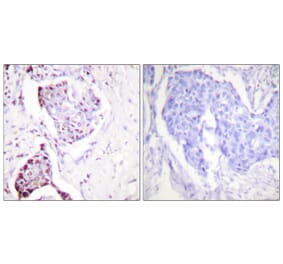

Unconjugated
Proteins tend to misfold upon stressful events that alter their homeostasis, potentially leading to protein aggregation. A tight regulation of synthesis, folding and degradation, defined as proteostasis network (PN), is required to ensure the functionality of the cell. PN is of utmost importance in post-mitotic cells such as neurons, where protein quality must be preserved for their entire lifetime. Most neurodegenerative disorders are associated with dysregulation of this network. Here, we describe the alteration in key components of the PN during chronic stress and link them with the increase in the amyloid burden and with the aggregation of the protein TDP-43, a major player in Amyotrophic Lateral Sclerosis and other neurodegenerative diseases. Neuroblastoma SH-SY5Y cells were treated with a panel of environmental stressors and analyzed after 24 h and 72 h. Treatments resulted in altered PN functionality, including proteasome impairment, halted protein synthesis, engulfed bulk and selective autophagy, in the absence of overt cell death. Thioflavin staining showed increased amyloid burden throughout treatments, associated with phosphorylated TDP-43 (pTDP-43). Biochemical analyses further revealed the cleavage and increased insolubility of pTDP-43. Our results suggest that TDP-43 is a central player during the integrated stress response to chr onic insults and that increased amyloid burden may reflect the global wellfare of a cellular system, pointing toward the alteration of the PN as the main drive for the onset of sporadic neurodegenerative disorders.



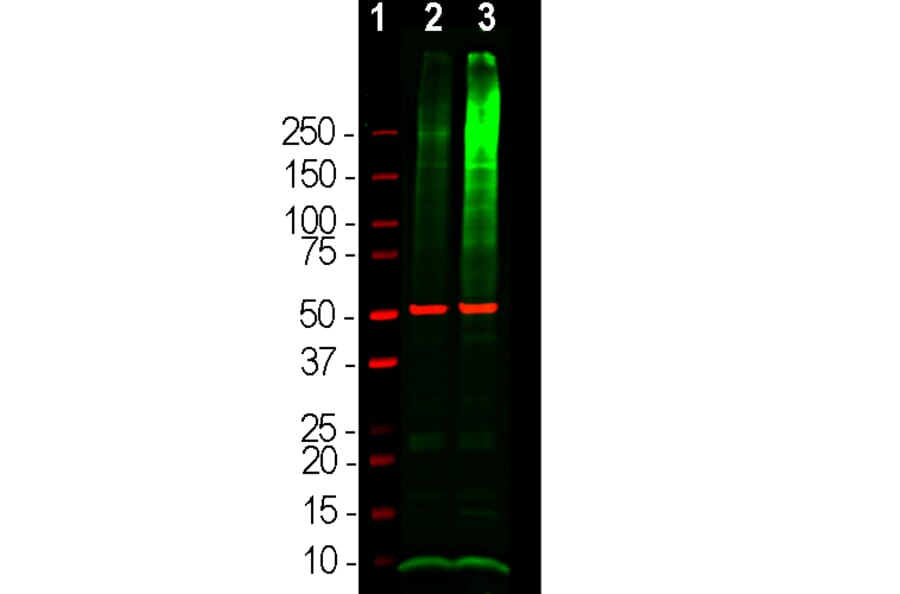
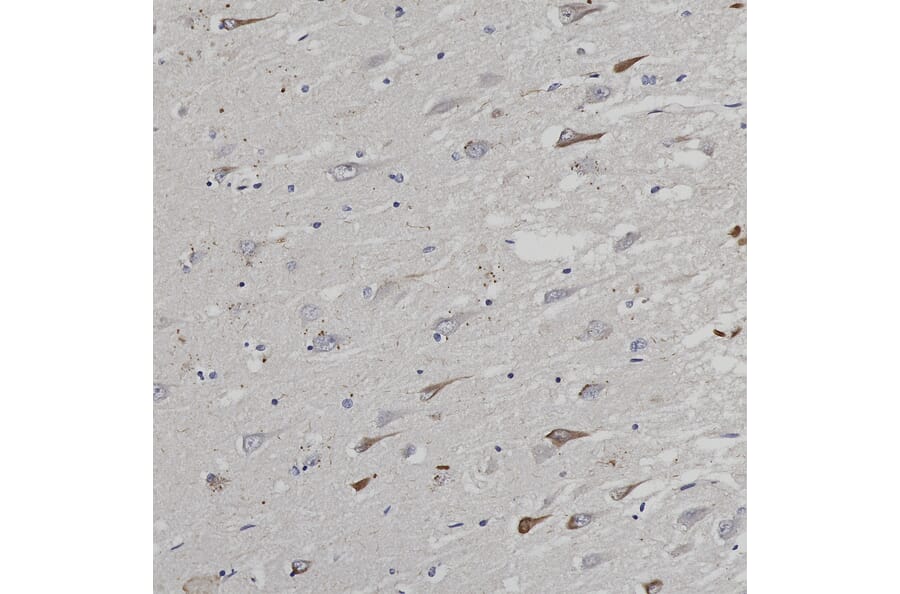
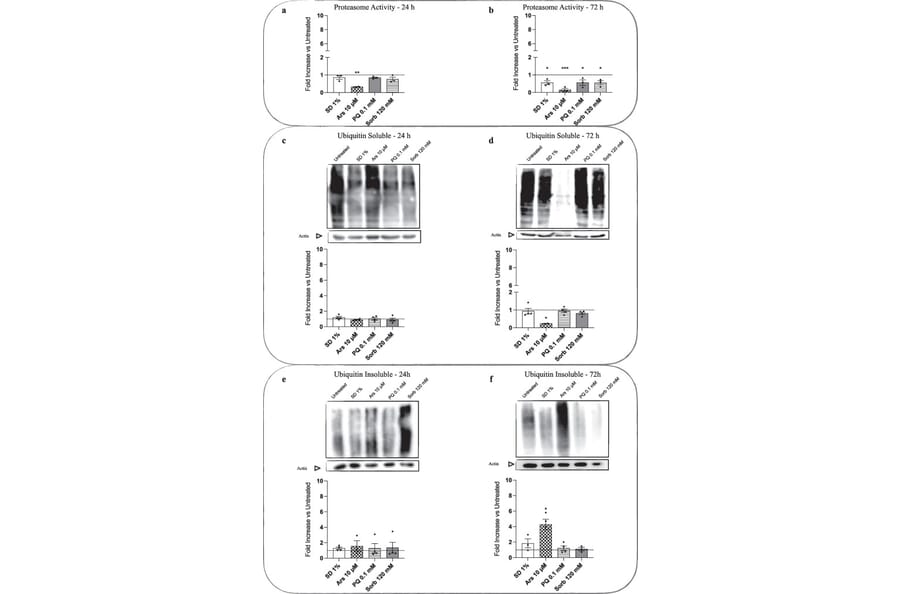
![Immunohistochemistry - Anti-Ubiquitin Antibody [Ubi-1] (A85456) - Antibodies.com](https://cdn.antibodies.com/image/catalog/85/A85456_1.jpg?profile=product_alternative)
![Immunocytochemistry/Immunofluorescence - Anti-Ubiquitin Antibody [FK2] (A305218) - Antibodies.com](https://cdn.antibodies.com/image/catalog/305/A305218_1.png?profile=product_alternative)
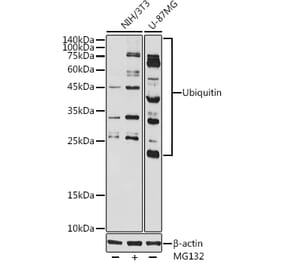
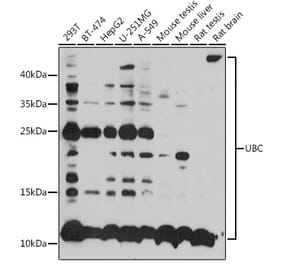
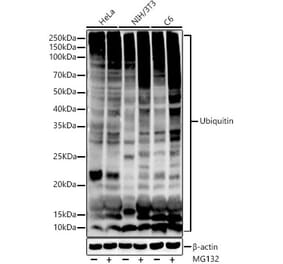
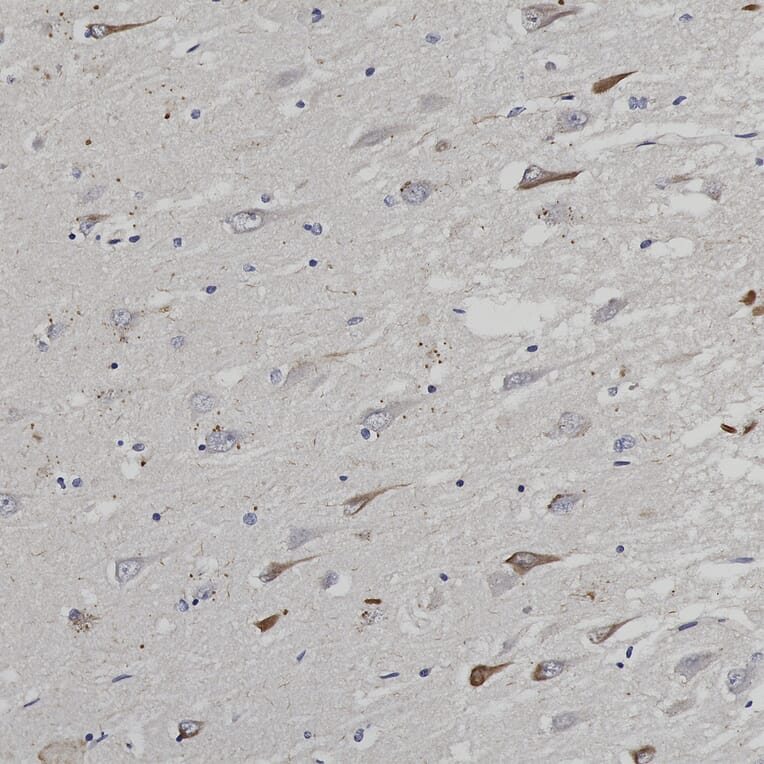
![Immunohistochemistry - Anti-Ubiquitin Antibody [UBB/1748] (A250261) - Antibodies.com](https://cdn.antibodies.com/image/catalog/250/A250261_1.jpg?profile=product_alternative)
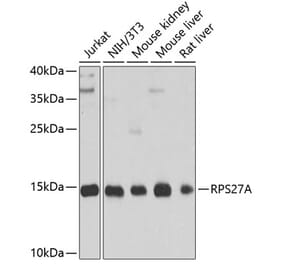
![Immunohistochemistry - Anti-Ubiquitin Antibody [UBB/1748] - BSA and Azide free (A253441) - Antibodies.com](https://cdn.antibodies.com/image/catalog/253/A253441_1.jpg?profile=product_alternative)
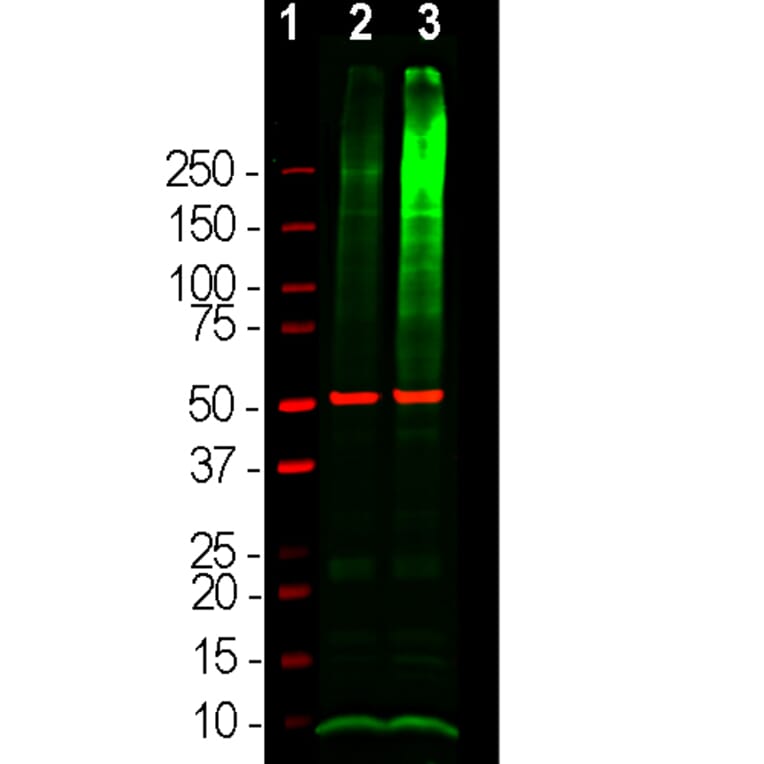
![Western Blot - Anti-Ubiquitin Antibody [5B9-B3] (A305078) - Antibodies.com](https://cdn.antibodies.com/image/catalog/305/A305078_1.png?profile=product_alternative)
![Immunocytochemistry/Immunofluorescence - Anti-Ubiquitin Antibody [6C11-B3] (A305079) - Antibodies.com](https://cdn.antibodies.com/image/catalog/305/A305079_1.png?profile=product_alternative)
![Flow Cytometry - Anti-Ubiquitin Antibody [1B4-UB] (A279083) - Antibodies.com](https://cdn.antibodies.com/image/catalog/279/A279083_1.jpg?profile=product_alternative)