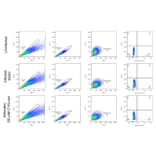

Unconjugated
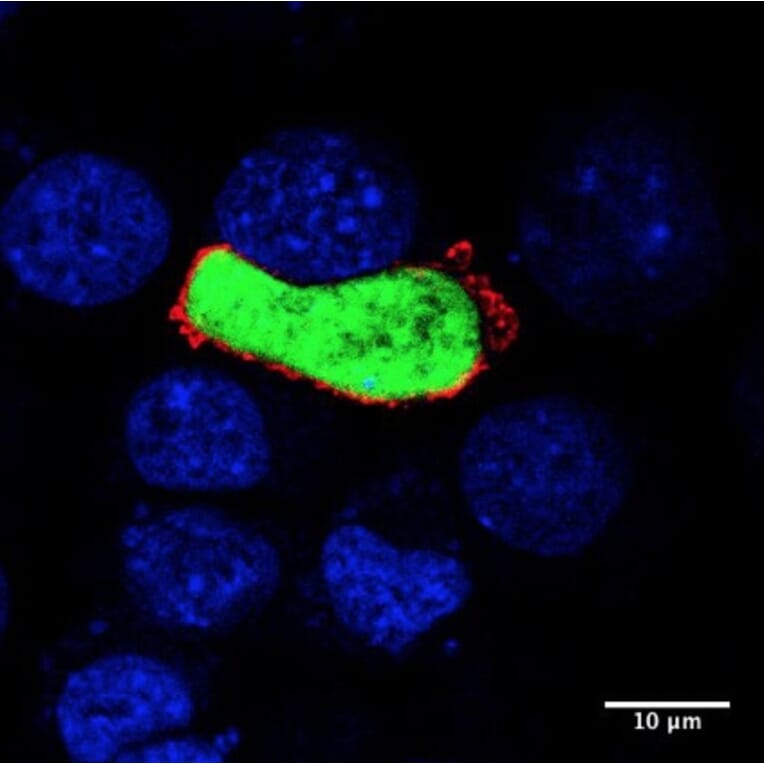
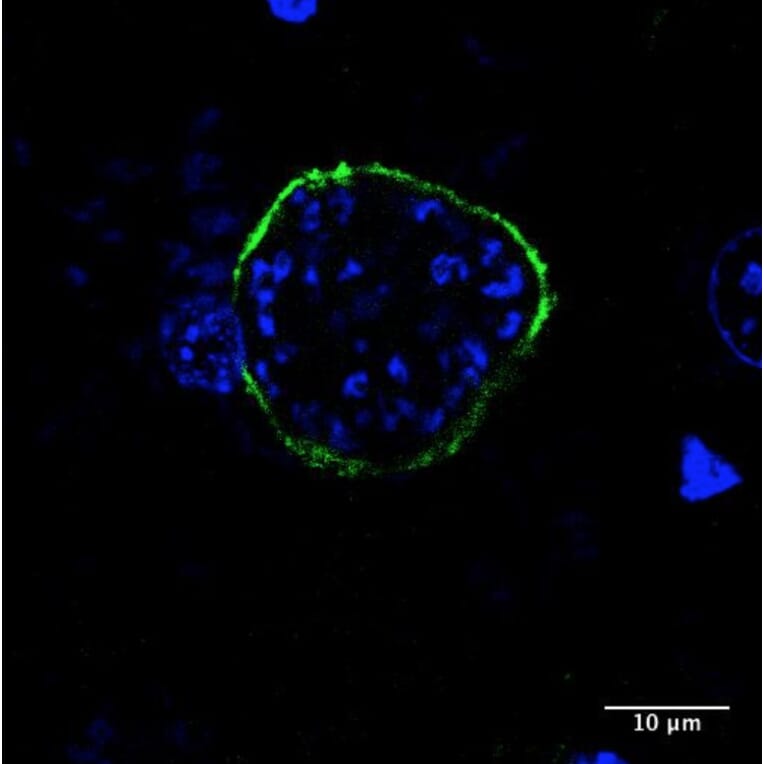
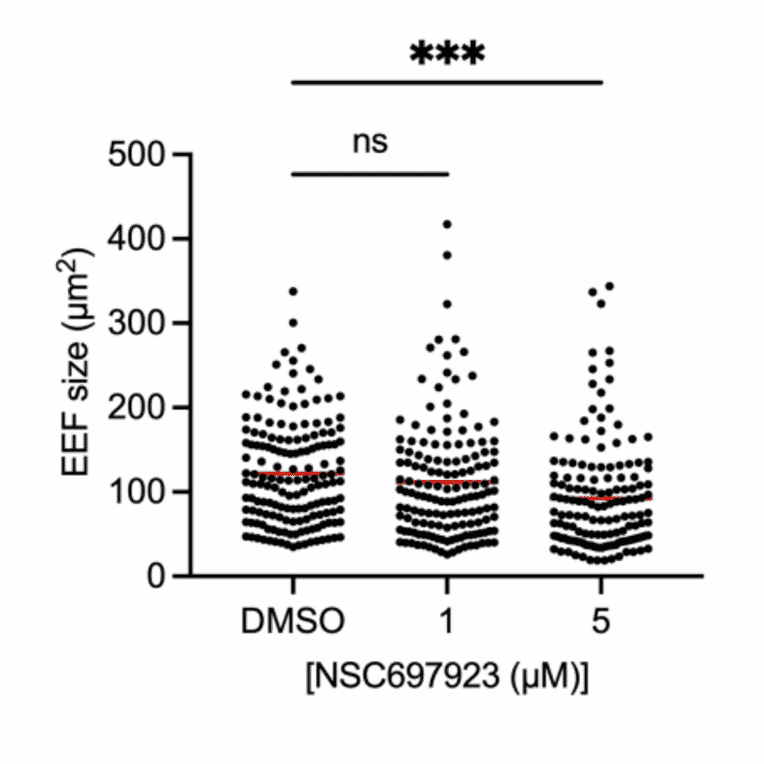
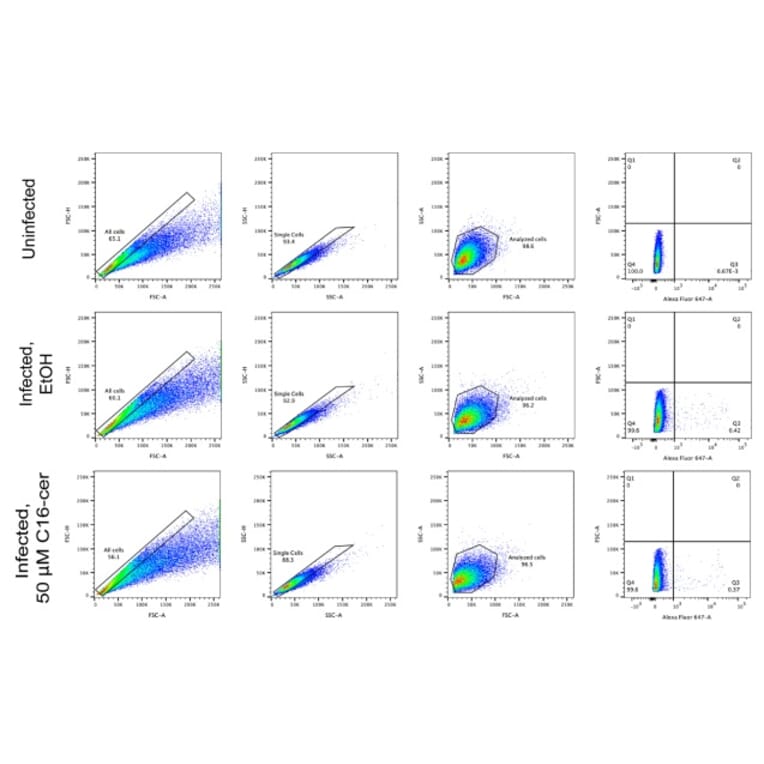
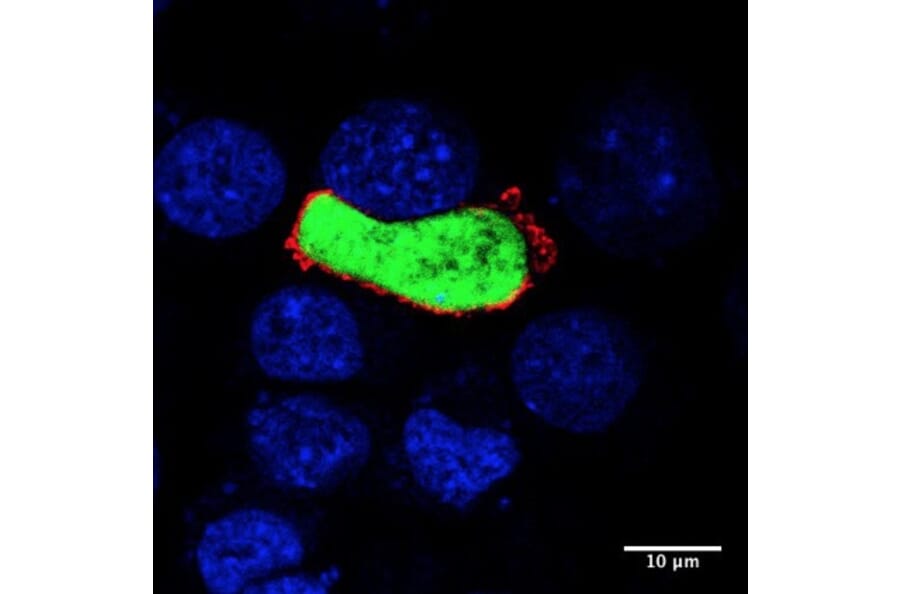
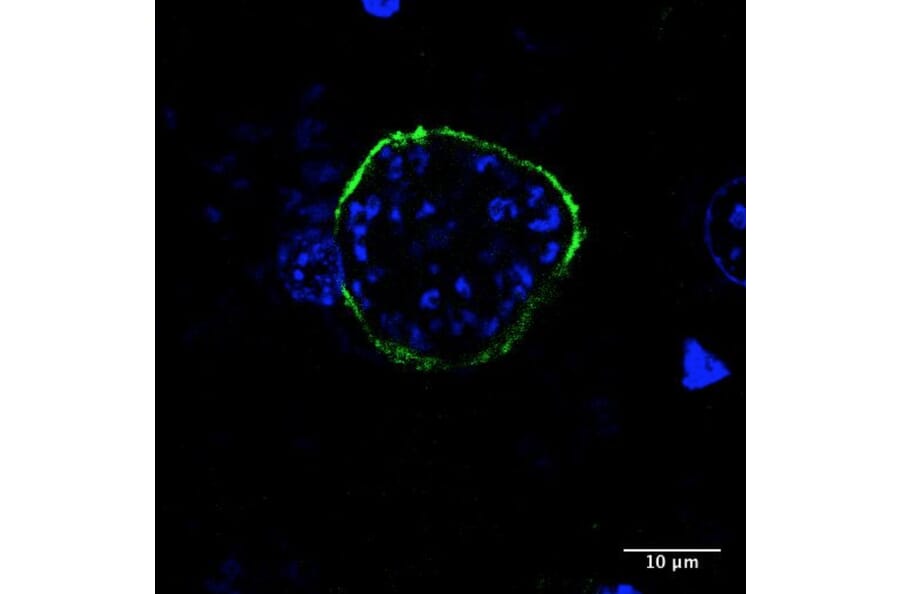
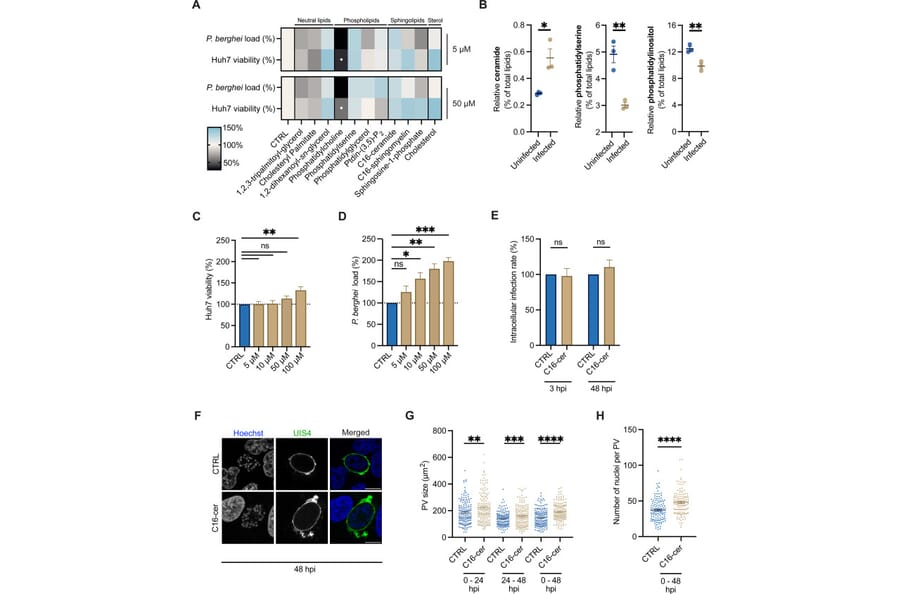
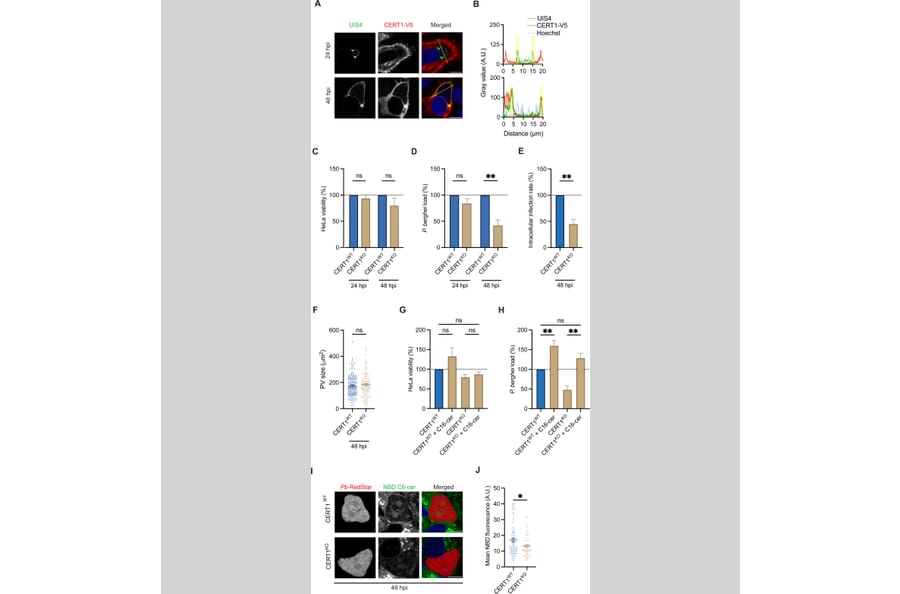
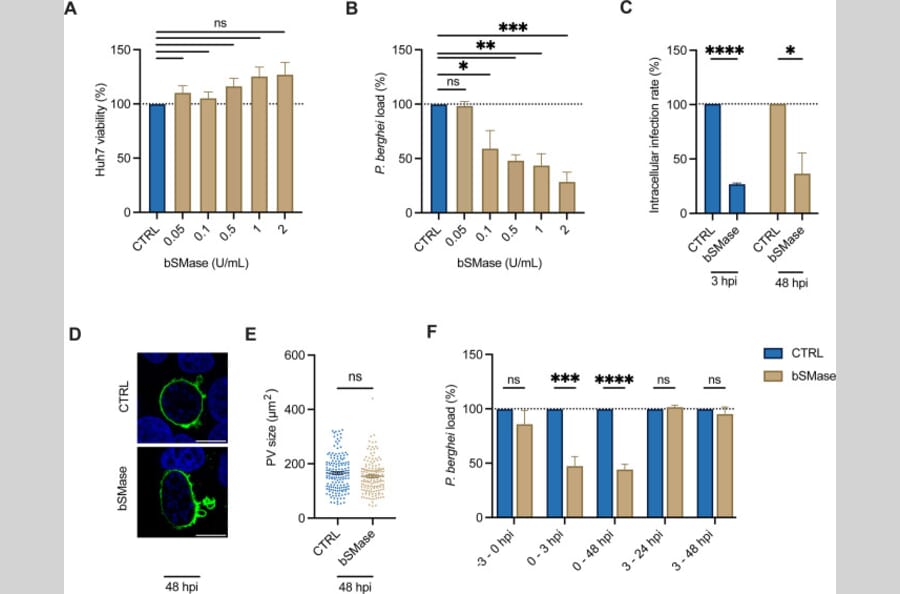
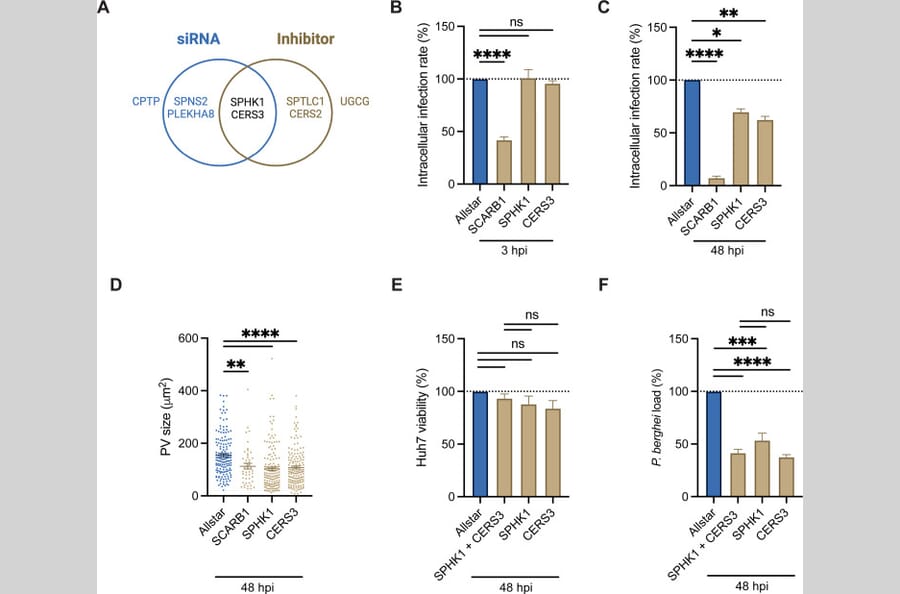
During the asymptomatic liver stage, Plasmodium resides within a parasitophorous vacuole (PV) that protects the parasite from immune clearance while also restricting nutrient exchange with its host cell. Although it is known that Plasmodium must scavenge resources from its environment, the specific nutrients sequestered and the mechanisms for transporting them to the PV are poorly understood, particularly during the liver stage. In this study, we investigated the role of host lipids and discovered that sphingolipids are critical for both Plasmodium berghei liver stage development and invasion. Specifically, exogenous C16-ceramide enhanced parasite development and nuclear replication, while sphingomyelin in the host cell membrane was essential for parasite invasion. Live microscopy studies using NBD labeled sphingolipids further found that exogenous lipids are actively transported into the PV with sphingolipid scavenging occurring at all tested time points throughout the liver stage. This was, in part, supported by the host ceramide transporter, CERT1. CERT1 was enriched at the PV and genetic disruption significantly reduced both P. berghei load and ceramide trafficking into the PV. Finally, we identified proteins of the host salvage pathway as critical for the Plasmodium liver stage using chemical and genetic approaches. In particular, depletion of CERS3 and SPHK1 affected PV size and infection rate, but not invasion. Our findings enhance our understanding of host-parasite lipid interactions and may offer novel therapeutic targets to reduce disease burden.IMPORTANCEPlasmodium, the causative agent of malaria, remains a significant global health challenge, placing approximately half the world's population at risk of infection. Despite the existence of antimalarial treatments, the emergence of drug-resistant parasites highlights the urgent need to identify novel therapeutic targets. The Plasmodium liver stage represents a promising avenue for drug discovery as inhibiting parasite development would prevent both symptomatic disease and transmission to the mosquito vector. In this study, we examined the role of host sphingolipids and found that members perform distinct functions, supporting parasite invasion and/or development. We also identified several host proteins that influence Plasmodium liver stage viability and contribute to sphingolipid acquisition. In addition to their role in the liver stage, sphingolipids are known to be critical for the asexual and sexual blood stages, suggesting that targeting host sphingolipid metabolism could offer a novel multistage therapeutic strategy against malaria.
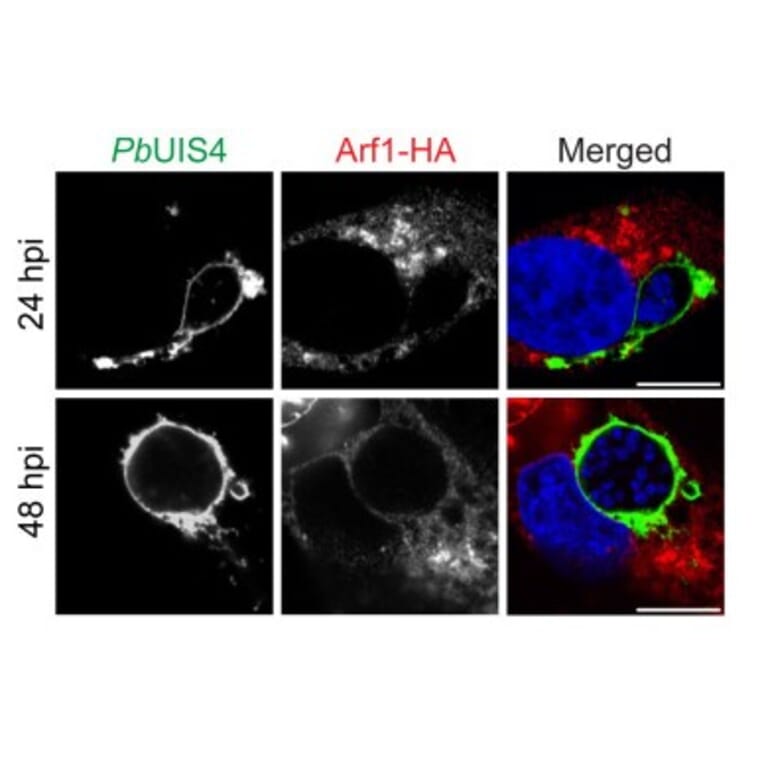
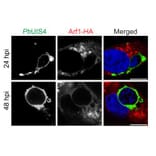
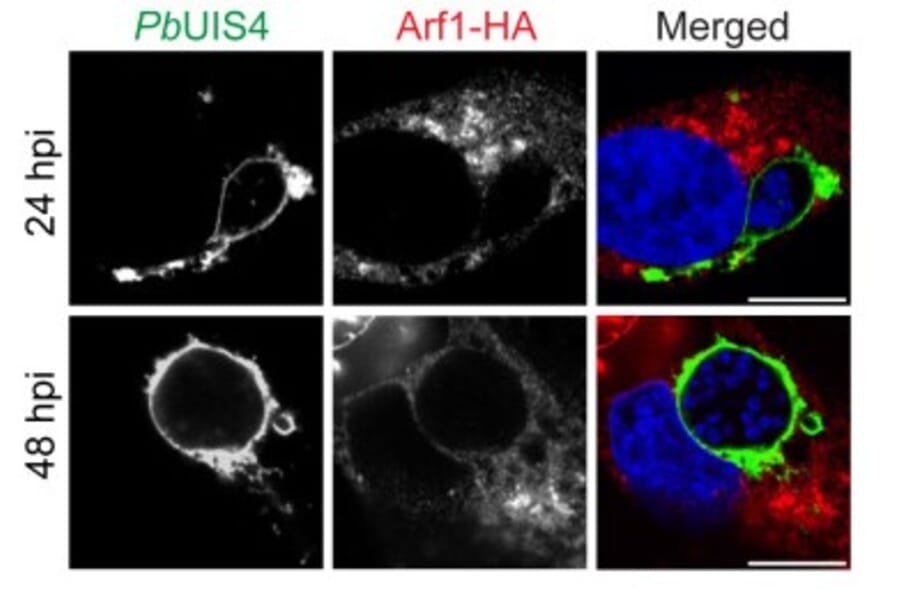
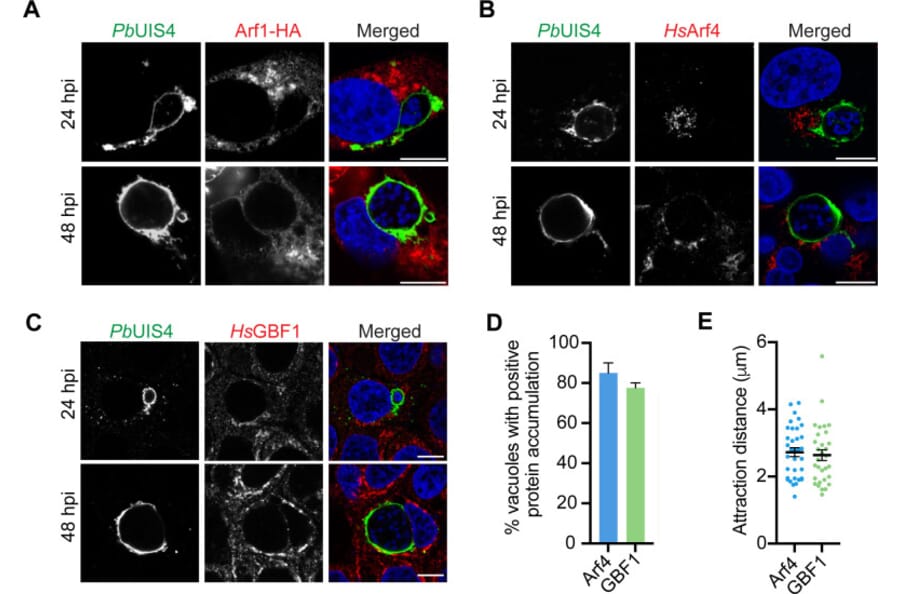
The apicomplexans Toxoplasma gondii and Plasmodium are intracellular parasites that reside within a host-derived compartment termed the parasitophorous vacuole (PV). During infection, the parasites must acquire critical host resources and transport them across their PV for development. However, the mechanism by which host resources are trafficked to and across the PV remains uncertain. Here, we investigated host ADP ribosylation factors (Arfs), a class of proteins involved in vesicular trafficking that may be exploited by T. gondii and Plasmodium berghei for nutrient acquisition. Using overexpressed Arf proteins coupled with immunofluorescence microscopy, we found that all Arfs were internalized into the T. gondii PV, with most vacuoles containing at least one punctum of Arf protein by the end of the lytic cycle. We further characterized Arf1, the most abundant Arf inside the T. gondii PV, and observed that active recycling between its GDP/GTP-bound state influenced Arf1 internalization independent of host guanine nucleotide exchange factors (GEFs). In addition, Arf1 colocalized with vesicle coat complexes and exogenous sphingolipids, suggesting a role in nutrient acquisition. While Arf1 and Arf4 were not observed inside the PV during P. berghei infection, our gene depletion studies showed that liver stage development and survival depended on the expression of Arf4 and the host GEF, GBF1. Collectively, these observations indicate that apicomplexans use distinct mechanisms to subvert the host vesicular trafficking network and efficiently replicate. The findings also pave the way for future studies to identify parasite proteins critical to host vesicle recruitment and the components of vesicle cargo.
Importance: The parasites Toxoplasma gondii and Plasmodium live complex intracellular lifestyles where they must acquire essential host nutrients while avoiding recognition. Although previous work has sought to identify the specific nutrients scavenged by apicomplexans, the mechanisms by which host materials are transported to and across the parasite vacuole membrane are largely unknown. Here, we examined members of the host vesicular trafficking network to identify specific pathways subverted by T. gondii and Plasmodium berghei. Our results indicate that T. gondii selectively internalizes host Arfs, a class of proteins involved in intracellular trafficking. For P. berghei, host Arfs were restricted by the parasite's vacuole membrane, but proteins involved in vesicular trafficking were identified as essential for liver stage development. A greater exploration into how and why apicomplexans subvert host vesicular trafficking could help identify targets for host-directed therapeutics.