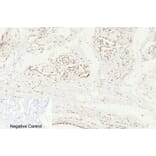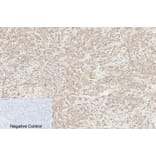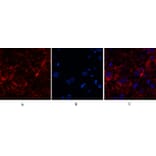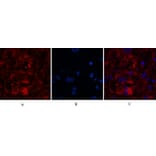

Unconjugated
In medicinal chemistry, halogen substitution is often used to enhance the biological activity of anticancer compounds. Phenethyl isothiocyanate (PEITC), a natural compound found in cruciferous vegetables, exhibits anti-cancer activity by modulating oxidative stress and apoptosis-related pathways. This study compared the effects of PEITC and its chlorinated derivative, Cl-PEITC, on human leukemia cell lines, including multidrug-resistant (MDR) variants that overexpress P-glycoprotein (P-gp). We evaluated cell viability, apoptosis, reactive oxygen species (ROS) production, the modulation of the NRF2/KEAP1 signaling pathway, NF-?B p65 protein expression, DNA fragmentation, and autophagy in SKM-1, MOLM-13 and their MDR variants SKM/VCR and MOLM/VCR cells. Cl-PEITC exhibited stronger antiproliferative and cytotoxic effects than PEITC in all tested cell lines and maintained similar activity in P-gp-positive resistant cells. In contrast, resistant sublines showed reduced sensitivity to PEITC. Cl-PEITC induced higher ROS production and enhanced apoptosis, accompanied by the activation of caspases-3, -8, and -9 and PARP1 cleavage. It also caused more pronounced DNA fragmentation. Both PEITC and Cl-PEITC modulated autophagy-related markers, as demonstrated by increased LC3-II/LC3-I conversion and decreased p62 protein levels. In addition, these compounds modulated NRF2/KEAP1 and reduced NF-?B p65 expression in a concentration-dependent manner. These findings suggest that the chlorination of PEITC enhances its antileukemic activity and could retain its efficacy against P-gp-associated MDR.