Principle of Assay
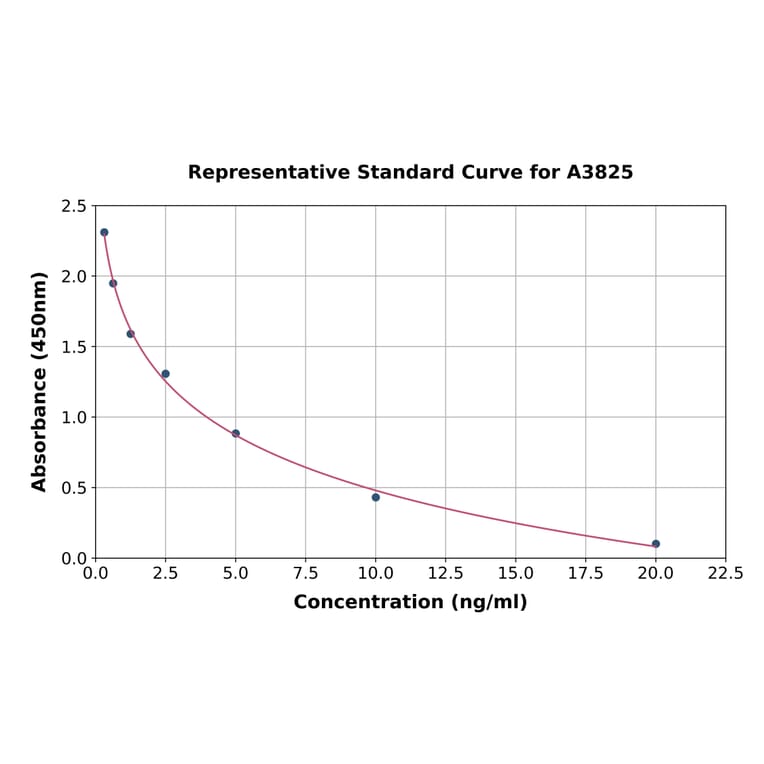
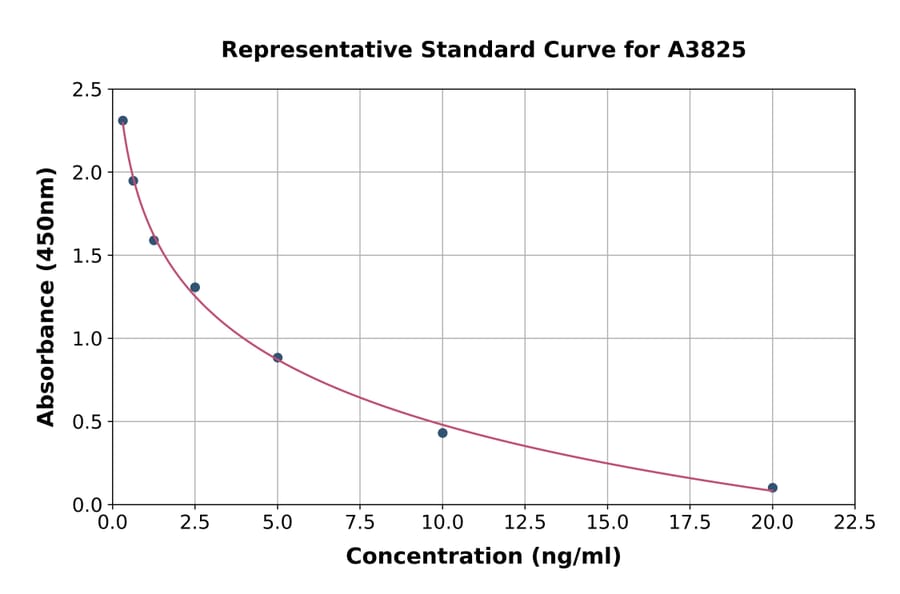
Inositol Triphosphate ELISA Kit (A3825) employs the competitive enzyme immunoassay technique for the quantitative measurement of Inositol Triphosphate in serum, plasma, tissue homogenates, cell lysates, cell culture supernates or other biological fluids. The 96-well microtiter plate has been pre-coated with Inositol Triphosphate antigen. During the incubation, Inositol Triphosphate present in the samples or standards competes with the fixed amount of immobilized Inositol Triphosphate for binding sites on the Biotinylated Anti-Inositol Triphosphate Antibody. The more Inositol Triphosphate present in a sample or standard, the less Biotinylated Anti-Inositol Triphosphate Antibody that binds to the plate. Following incubation, unbound Biotinylated Anti-Inositol Triphosphate Antibody is removed by washing, and an HRP-Avidin conjugate is added to the wells and the microtiter plate is incubated. Following incubation and washing, TMB substrate solution is then used to visualize the HRP enzymatic reaction by catalysis to produce a blue-coloured product that changes to yellow after addition of acidic stop solution. The density of yellow is inversely proportional to the amount of Inositol Triphosphate present in each sample or standard. The concentration of Inositol Triphosphate can then be calculated by reading the O.D. absorbance at 450nm in a microplate reader and referring to the standard curve.