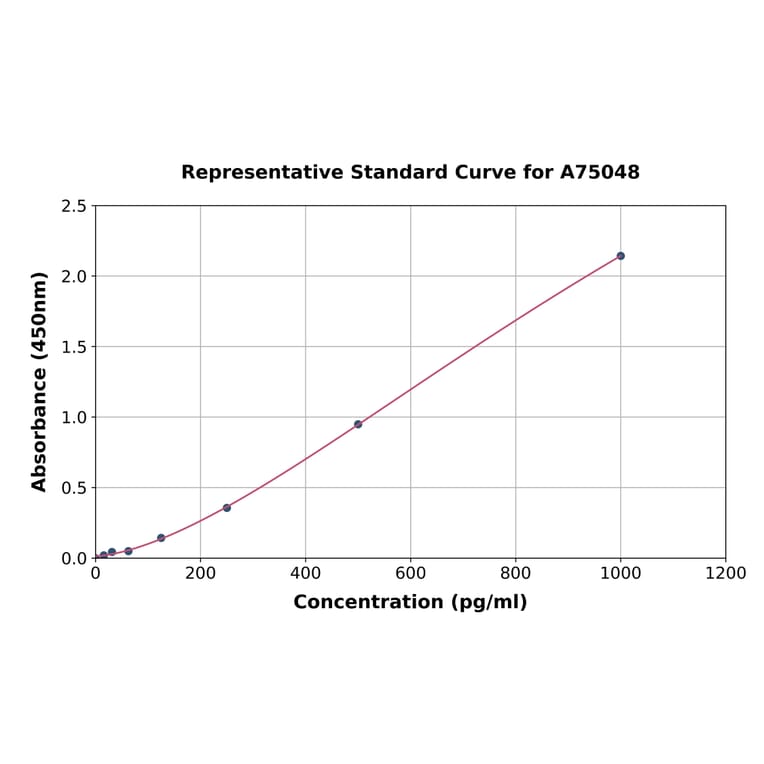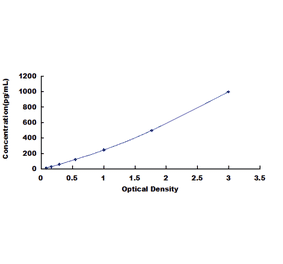

| Sample Type | n | Range | Average |
|---|---|---|---|
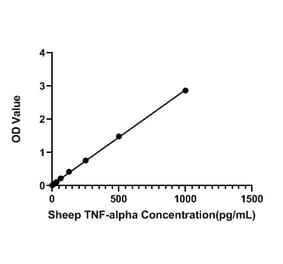
| Serum | 10 | 89% - 105% | 97% |
| EDTA Plasma | 10 | 89% - 100% | 96% |
| Heparin Plasma | 10 | 88% - 101% | 93% |
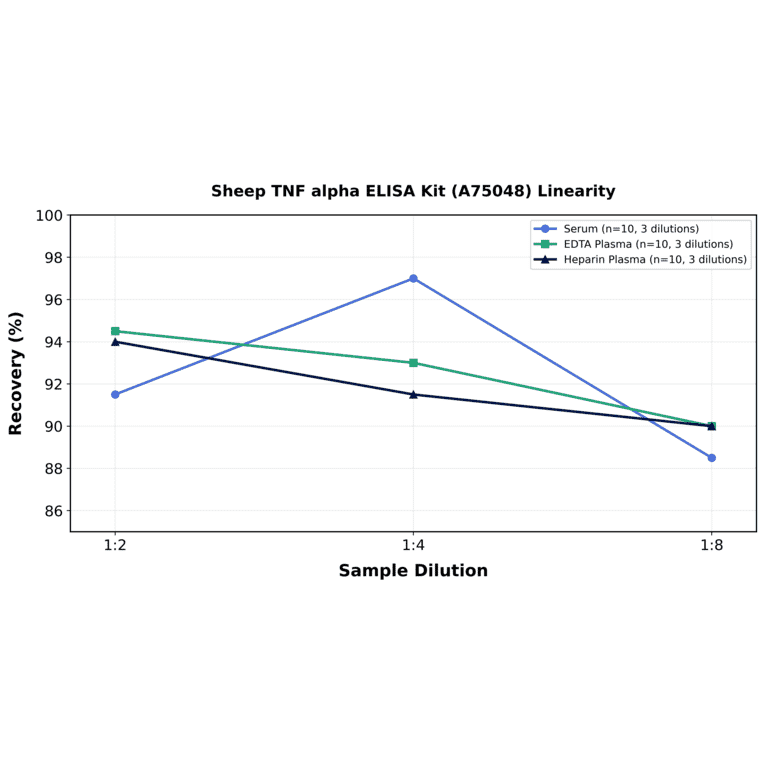
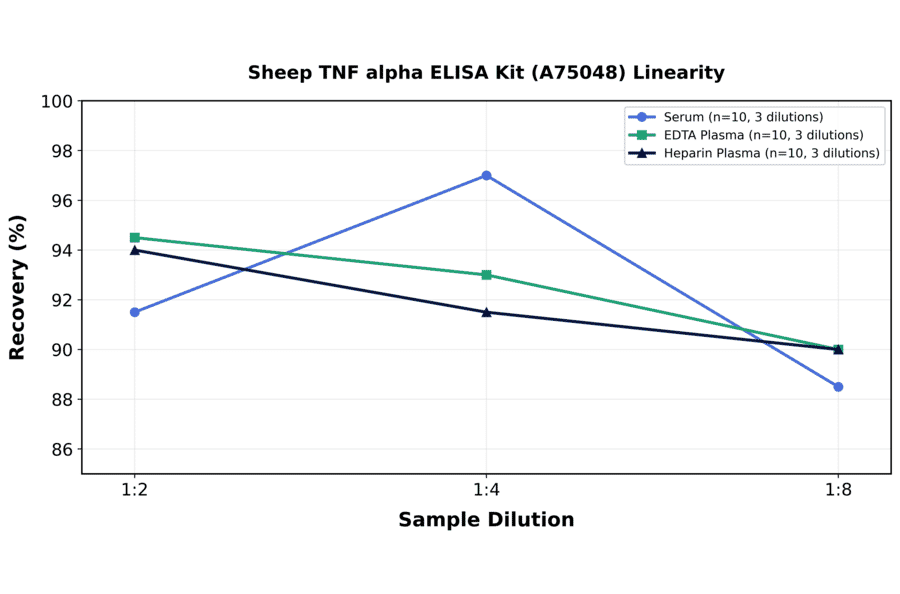
| Sample Type | n | 1:2 | 1:4 | 1:8 |
|---|---|---|---|---|
| Serum | 10 | 85-98% | 95-99% | 82-95% |
| EDTA Plasma | 10 | 87-102% | 87-99% | 81-99% |
| Heparin Plasma | 10 | 86-102% | 89-94% | 80-100% |
| Item | Quantity | Storage |
|---|---|---|
| Pre-Coated 96 Well Microplate | 12 x 8 Well Strips | +4°C |
| Lyopholized Standard | 2 Vials | +4°C |
| Sample Dilution Buffer | 20ml | +4°C |
| Biotinylated Detection Antibody | 120µl | +4°C |
| Antibody Dilution Buffer | 10ml | +4°C |
| HRP-Streptavidin Conjugate | 120µl | +4°C |
| SABC Dilution Buffer | 10ml | +4°C |
| TMB Substrate | 10ml | +4°C |
| Stop Solution | 10ml | +4°C |
| Wash Buffer (25X) | 30ml | +4°C |
| Plate Sealers | 5 Adhesive Strips | - |
| Foil Pouch | 1 Zip-Sealed Pouch | - |
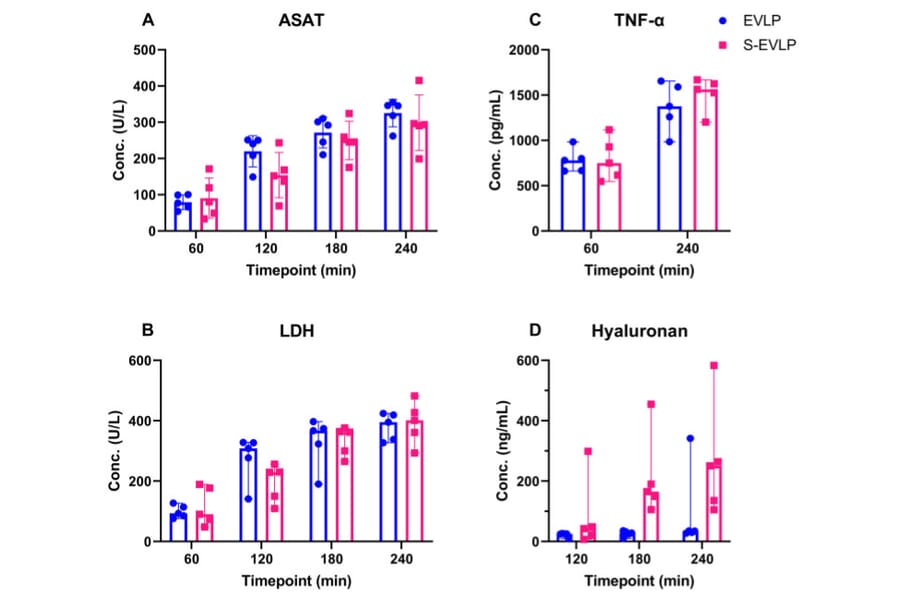
Volatile anesthetics have been shown in different studies to reduce ischemia reperfusion injury (IRI). Ex vivo lung perfusion (EVLP) facilitates graft evaluation, extends preservation time and potentially enables injury repair and improvement of lung quality. We hypothesized that ventilating lungs with sevoflurane during EVLP would reduce lung injury and improve lung function. We performed a pilot study to test this hypothesis in a slaughterhouse sheep DCD model. Lungs were harvested, flushed and stored on ice for 3 h, after which EVLP was performed for 4 h. Lungs were ventilated with either an FiO2 of 0.4 (EVLP, n = 5) or FiO2 of 0.4 plus sevoflurane at a 2% end-tidal concentration (Cet) (S-EVLP, n = 5). Perfusate, tissue samples and functional measurements were collected and analyzed. A steady state of the target Cet sevoflurane was reached with measurable concentrations in perfusate. Lungs in the S-EVLP group showed significantly better dynamic lung compliance than those in the EVLP group (p = 0.003). Oxygenation capacity was not different in treated lungs for delta partial oxygen pressure (PO2; +3.8 (-4.9/11.1) vs. -11.7 (-12.0/-3.2) kPa, p = 0.151), but there was a trend of a better PO2/FiO2 ratio (p = 0.054). Perfusate ASAT levels in S-EVLP were significantly reduced compared to the control group (198.1 ± 93.66 vs. 223.9 ± 105.7 IU/L, p = 0.02). We conclude that ventilating lungs with sevoflurane during EVLP is feasible and could be useful to improve graft function.
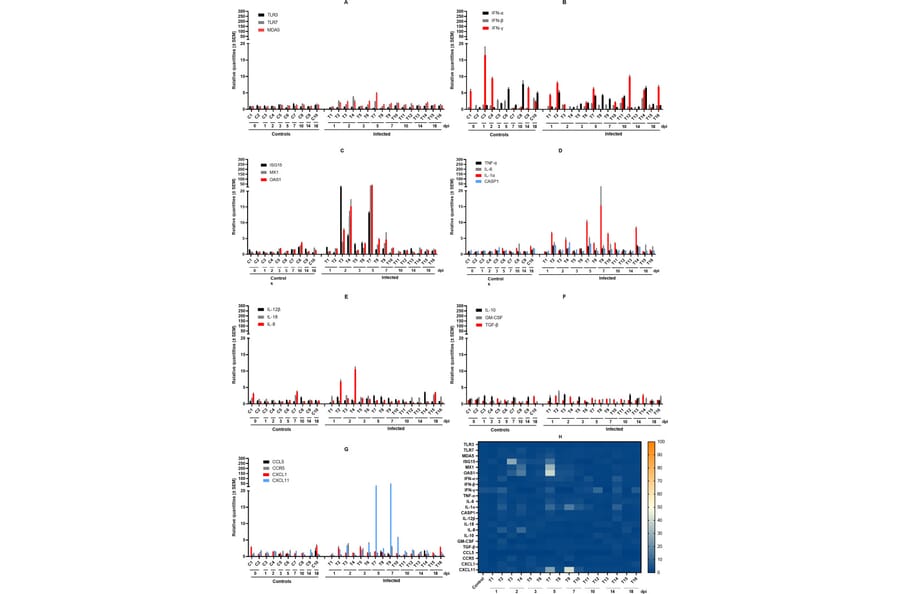
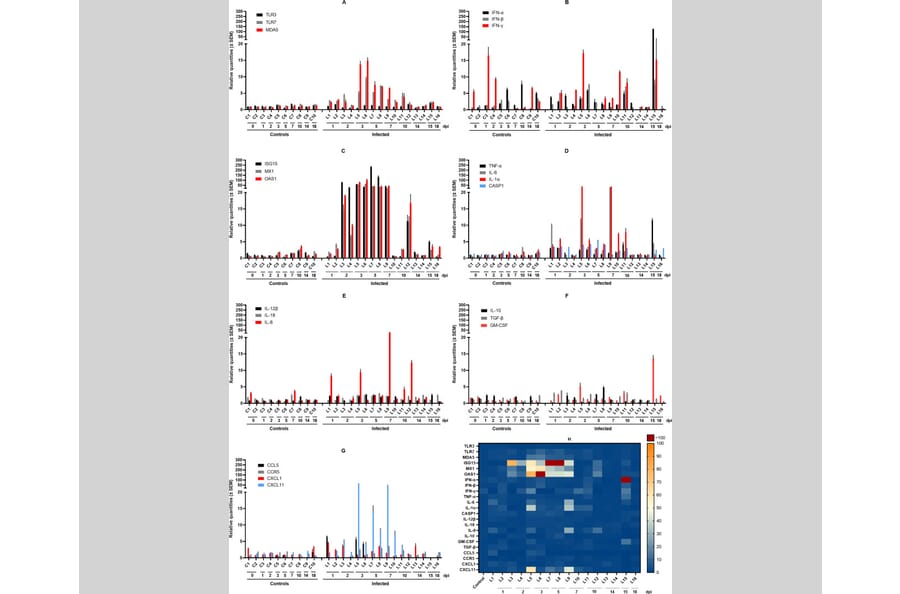
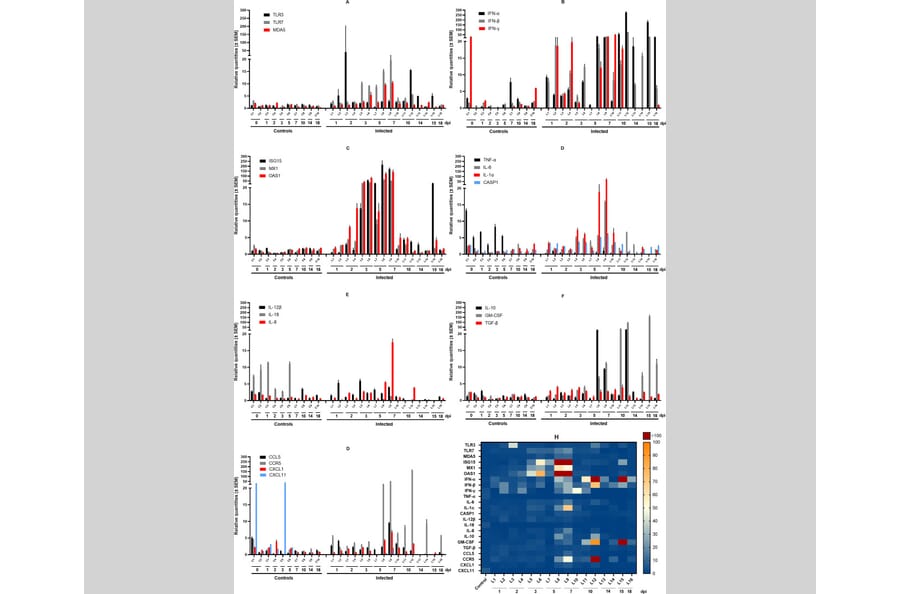
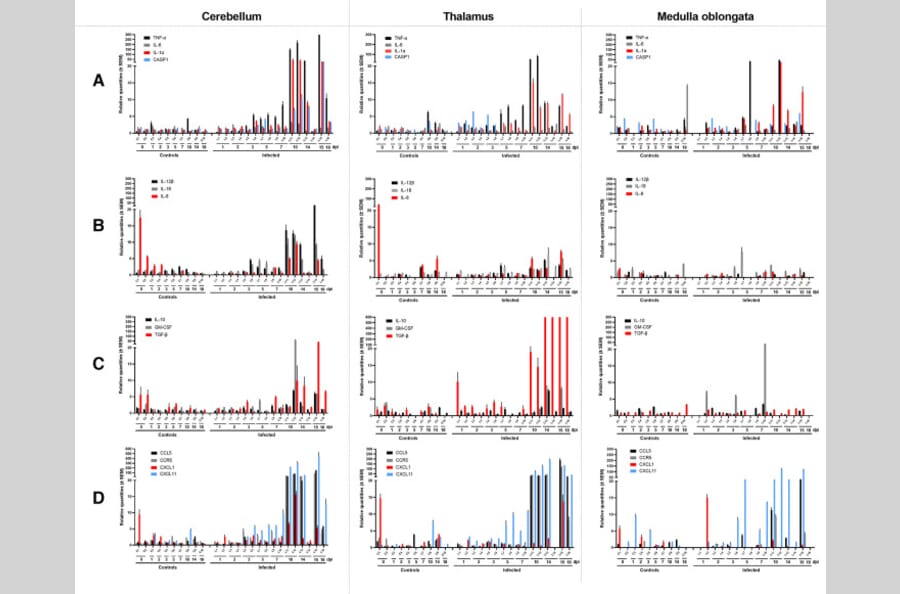
Tick-borne encephalitis virus (TBEV) and louping ill virus (LIV) are genetically and antigenically closely related tick-borne flaviviruses responsible for different disease outcomes in sheep. In order to determine whether key components of the innate immunity could contribute to the observed difference in virus dissemination and disease outcome, 8-month-old sheep were inoculated intradermally with TBEV Neudoerfl strain or LIV LI/31 strain. Only LIV-infected sheep developed fever and clinical signs. No TBEV RNA was detected in serum and examined tissues, except for low amounts in the skin, prescapular lymph nodes, and spleen. In contrast, high LIV RNA load and infectious virus were found in serum and various tissues, indicating a tropism for lymphoid organs and the brain. The highest LIV viral loads were found in the brain stem, the cerebellum, and the thalamus. The analysis of mRNA expression profiles of selected cytokines and chemokines showed a weak to moderate innate antiviral immune response in the prescapular lymph nodes of TBEV-infected sheep. Conversely, a strong upregulation of several interferon-stimulated genes, chemokines, and pro-inflammatory cytokines was induced in the prescapular lymph nodes, tonsils, medulla oblongata, cerebellum, and thalamus of LIV-infected animals. Neutralizing antibodies were detected in both LIV- and TBEV-infected sheep. These data suggest that the innate and humoral immune responses were sufficient to block TBEV replication early after infection but insufficient to stop LIV entry and replication in the brain, as supported by the high viral loads at euthanasia, and likely contribute to the induced clinical symptoms.
Importance: Although LIV and TBEV are closely related tick-borne flaviviruses, the outcome of an infection in sheep is considerably different. Here, we show that the effectiveness of the innate immune response to limit virus replication corresponds to a specific clinical outcome. TBEV infection seemed to be efficiently controlled at the level of the prescapular lymph node by a moderate interferon-related cytokine response. This early control prevented likely further TBEV spread and entry in the CNS. In contrast, LIV was capable of replicating to high viral loads in prescapular lymph nodes, tonsils, and brain tissues despite the strong innate immune responses induced in these tissues, which probably contributed to the observed clinical signs. This further suggests that LIV has adapted to better circumvent innate immune responses than TBEV and that the clinical manifestations can be attributed to a dysregulated response.