Unconjugated
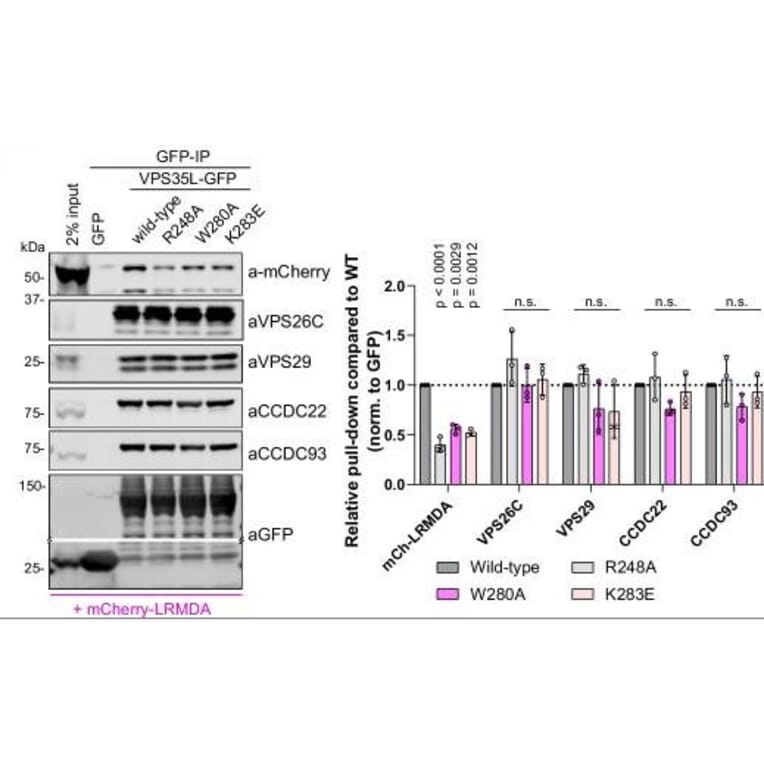
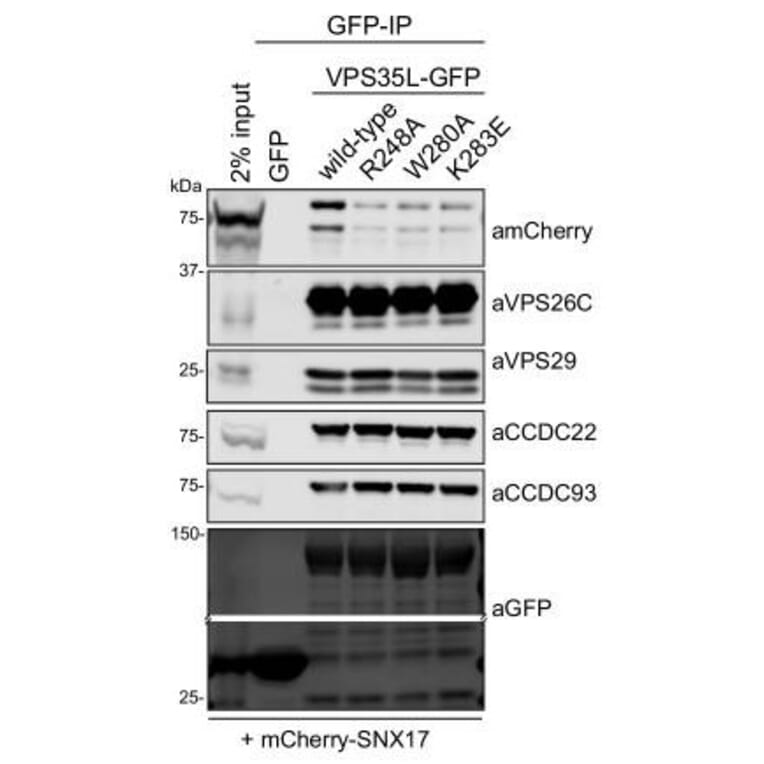
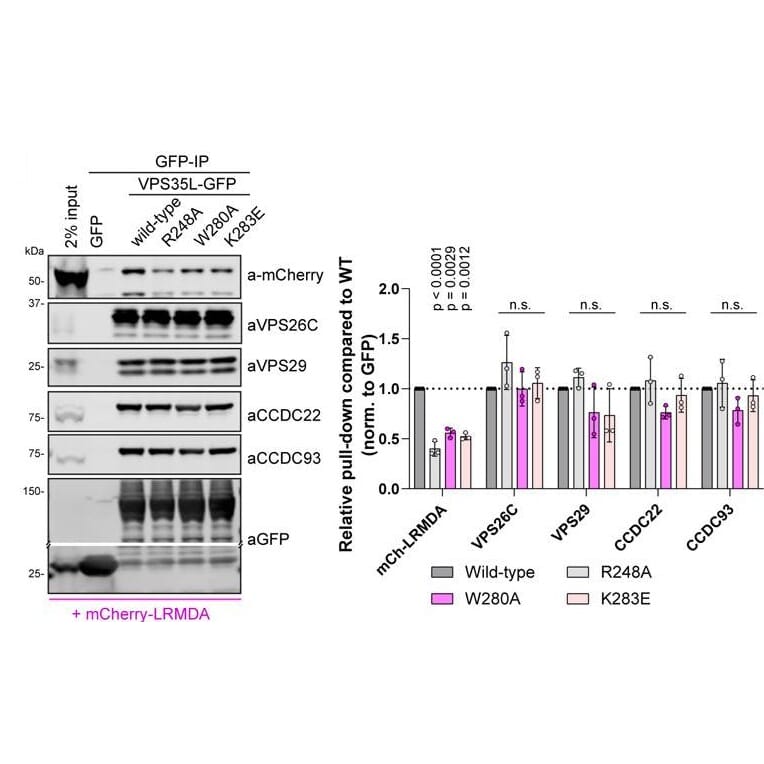
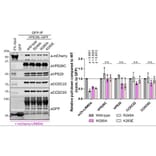
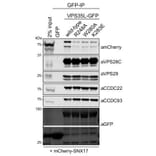
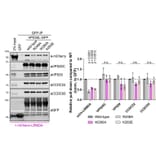
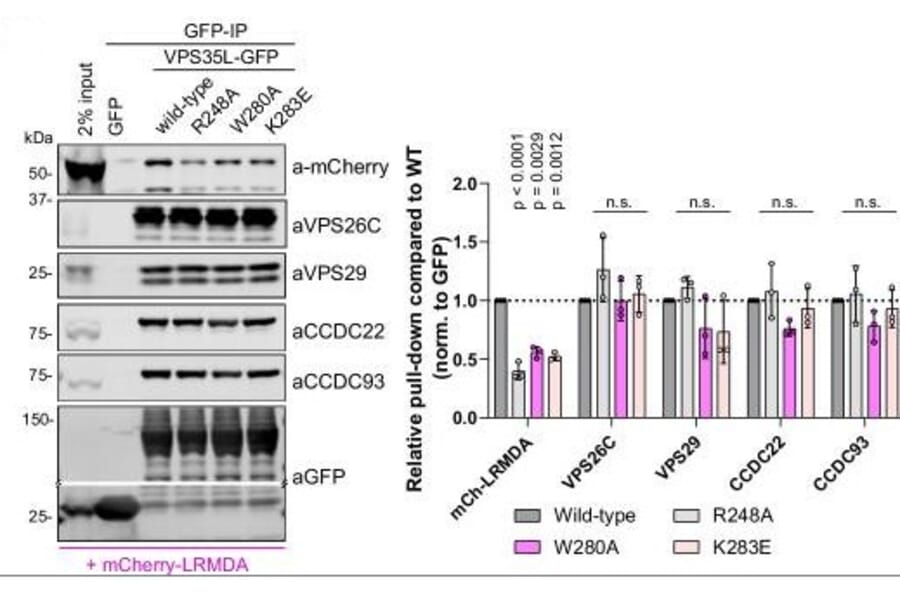
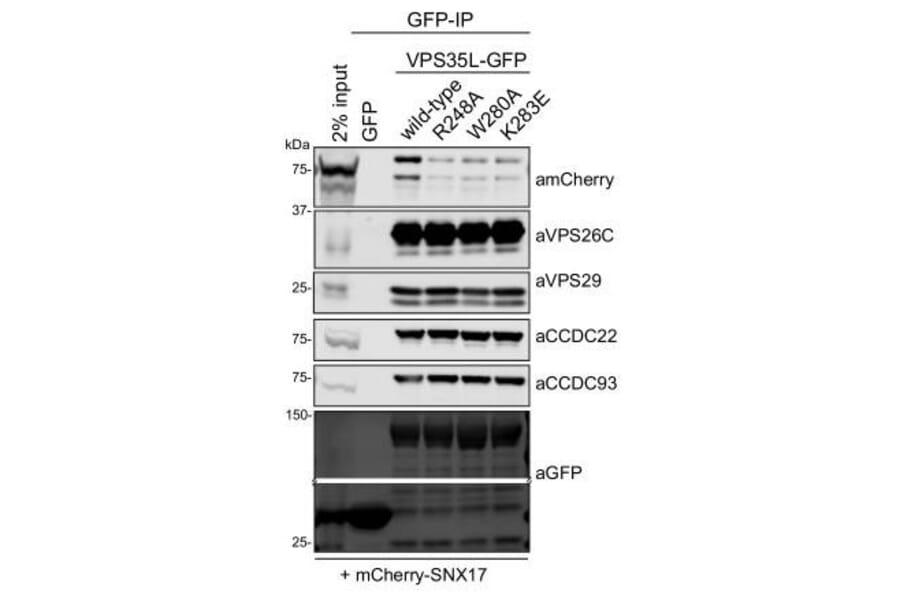
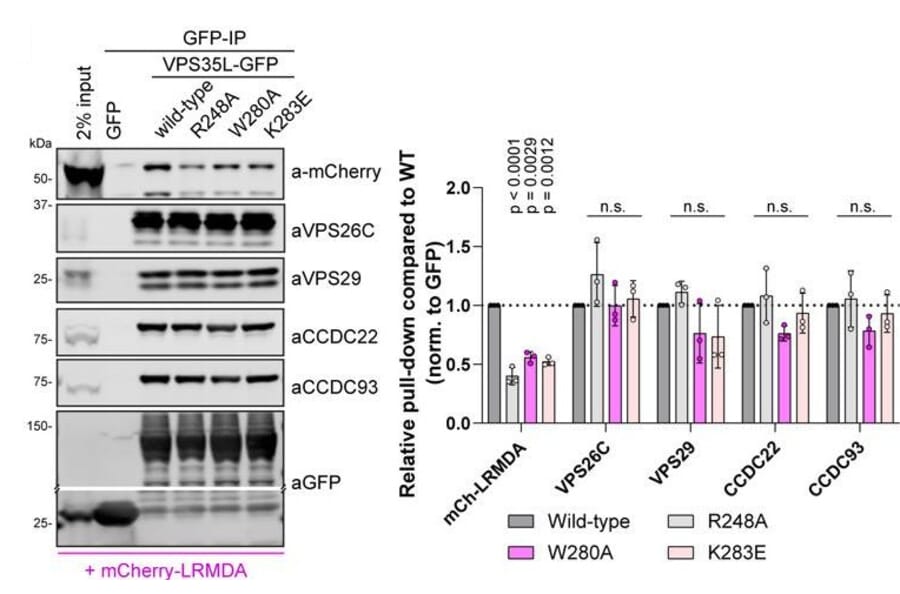
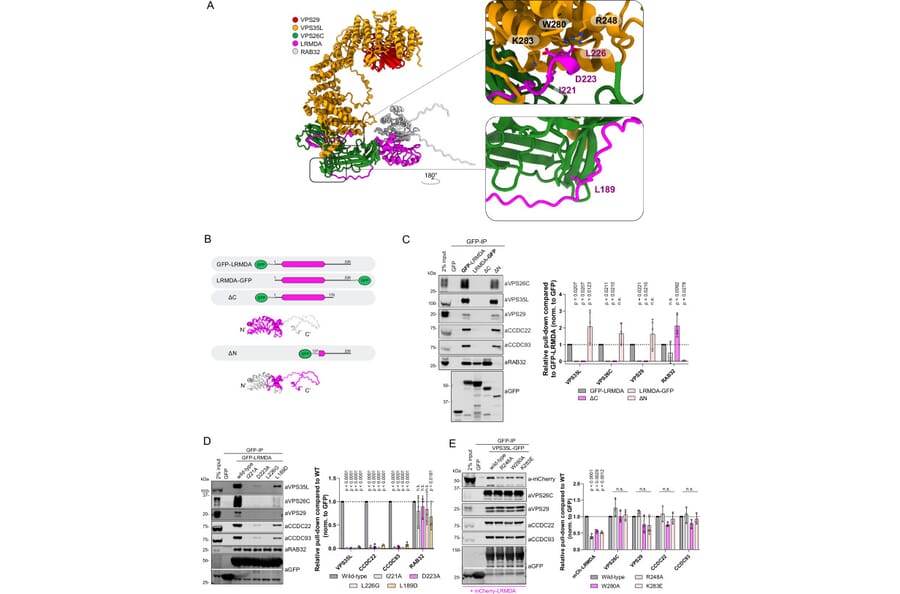
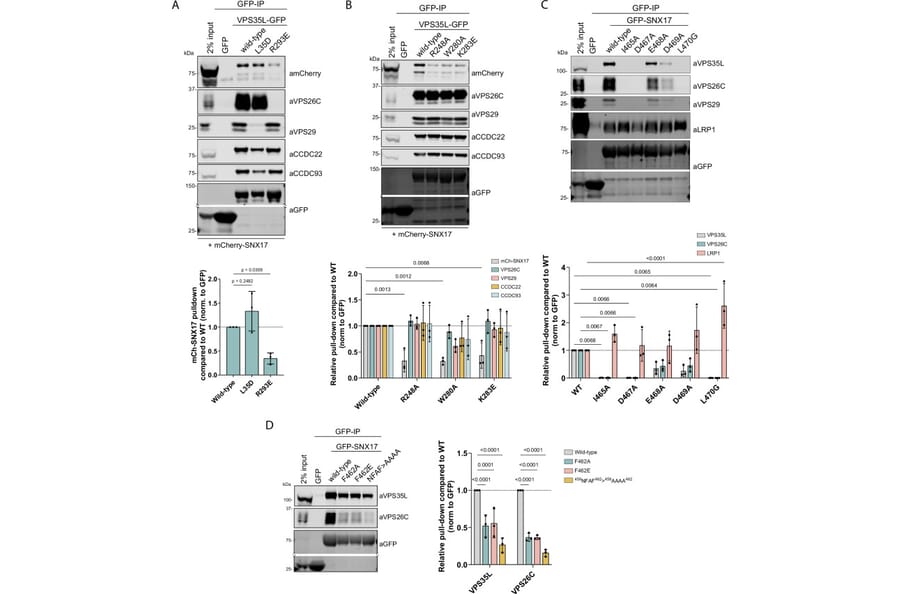
The endosomal Commander assembly associates with the sorting nexin-17 (SNX17) cargo adaptor to regulate cell surface recycling of internalised integral proteins including integrins and lipoprotein receptors. Here, we identify leucine rich melanocyte differentiation associated (LRMDA) as a Commander binding protein. We reveal that LRMDA and SNX17 share a common mechanism of Commander association, and that LRMDA simultaneously associates with Commander and active RAB32, establishing distinct RAB32-LRMDA-Commander and SNX17-Commander assemblies. Functional analysis in melanocytes reveals distinct roles for RAB32-LRMDA-Commander and SNX17-Commander in melanosome biogenesis. We reveal how LRMDA mutations, causative for oculocutaneous albinism type 7, a hypopigmentation disorder accompanied by poor visual acuity, uncouple RAB32 and Commander binding thereby establishing the mechanistic basis of this disease. Our discovery of this alternative Commander assembly highlights the plasticity of Commander function in human pigmentation and extends the Commander function beyond the SNX17-mediated regulation of cell surface proteome.
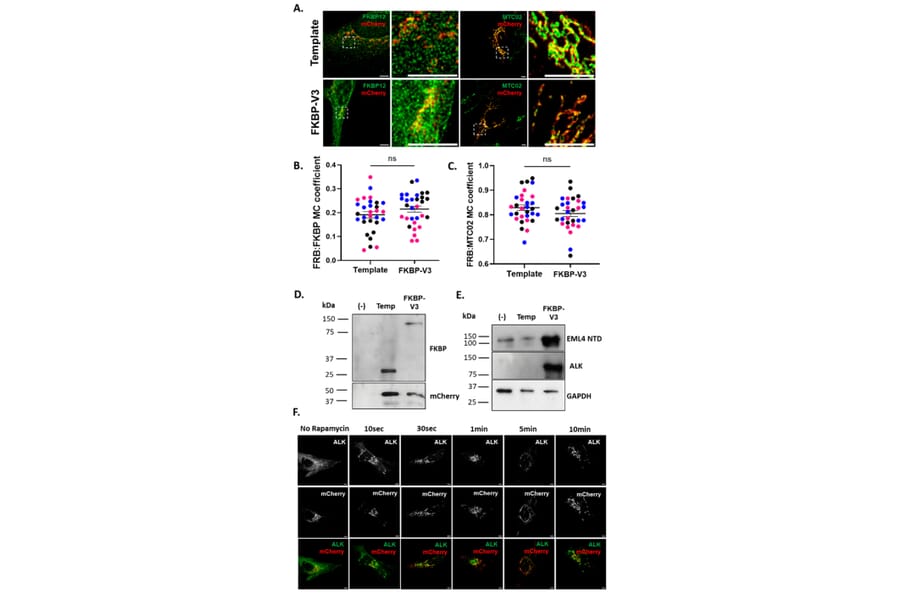
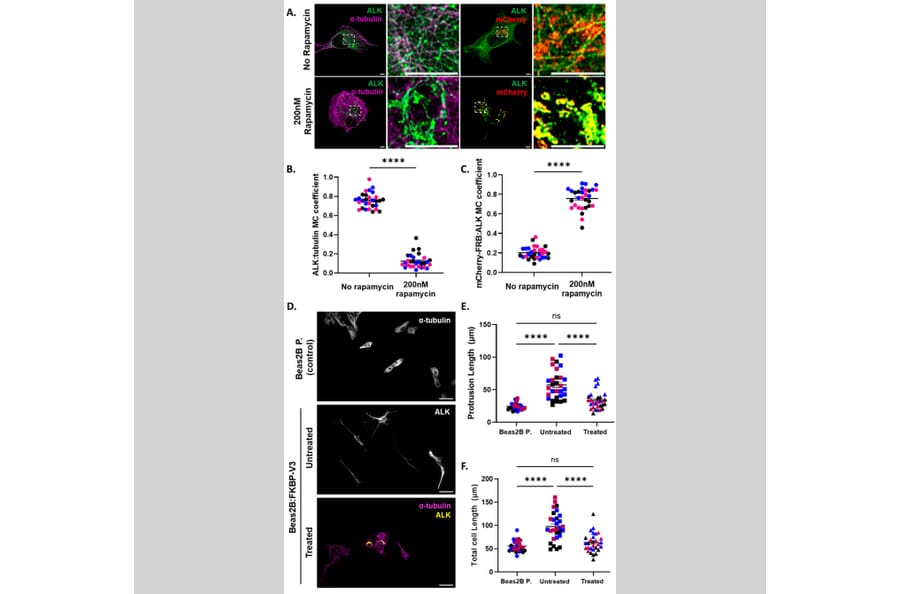
The EML4-ALK oncogene drives tumour progression in approximately 5% of cases of non-small-cell lung cancers. At least 15 EML4-ALK variants have been identified, which elicit differential responses to conventional ALK inhibitors. Unfortunately, most, if not all, patients eventually acquire resistance to these inhibitors and succumb to the disease, which warrants the need for alternative targets to be identified. The most aggressive variant, EML4-ALK variant 3 (V3), assembles into a complex on interphase microtubules together with the NEK9 and NEK7 kinases, which leads to the downstream phosphorylation of NEK7 substrates. Overall, this promotes an elongated cell morphology and an enhanced migratory phenotype, which likely contributes to the increased metastasis often seen in V3 patients. Here, using two separate approaches to displace V3 from microtubules and a variety of in vitro assays, we show that microtubule association of EML4-ALK V3 is required for both V3 phenotypes, as removal of the oncogenic fusion protein from microtubules led to the dissociation of the V3-NEK9-NEK7 complex and the reversal of both phenotypic changes. Overall, we propose that targeting the interaction between EML4-ALK V3 and microtubules might offer a novel therapeutic option, independent of ALK activity, for V3+ NSCLC patients with acquired resistance to ALK inhibitors.