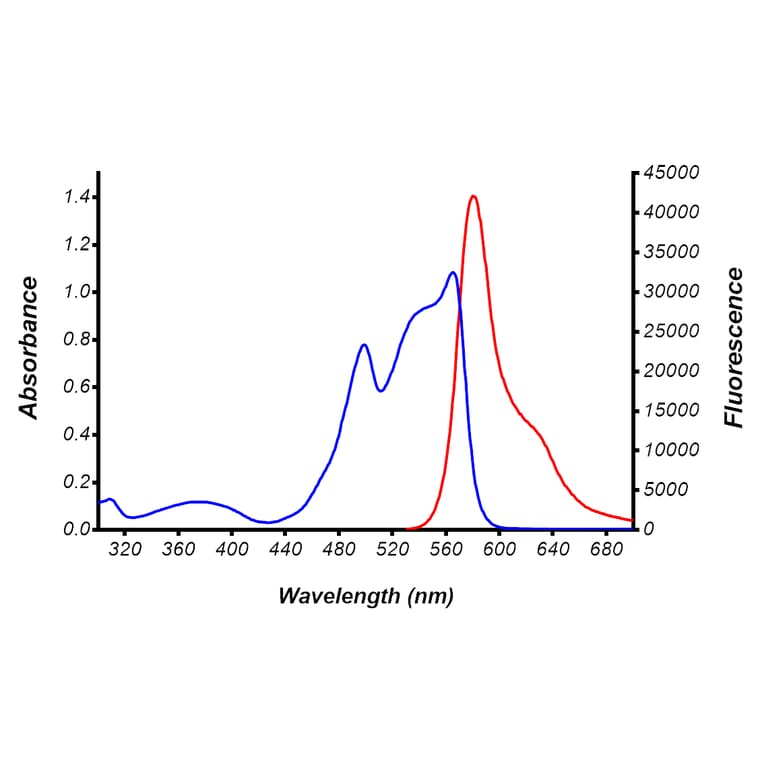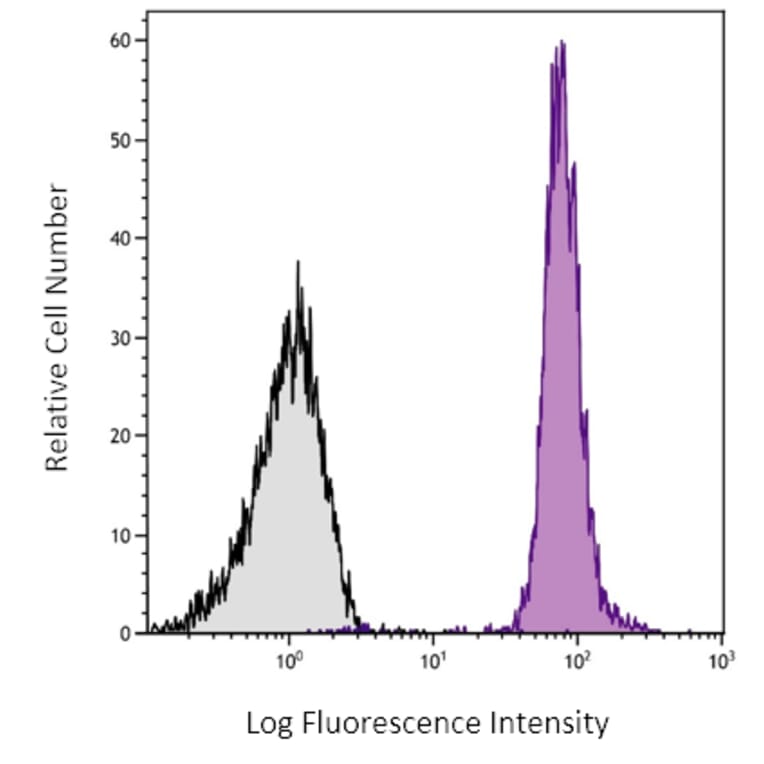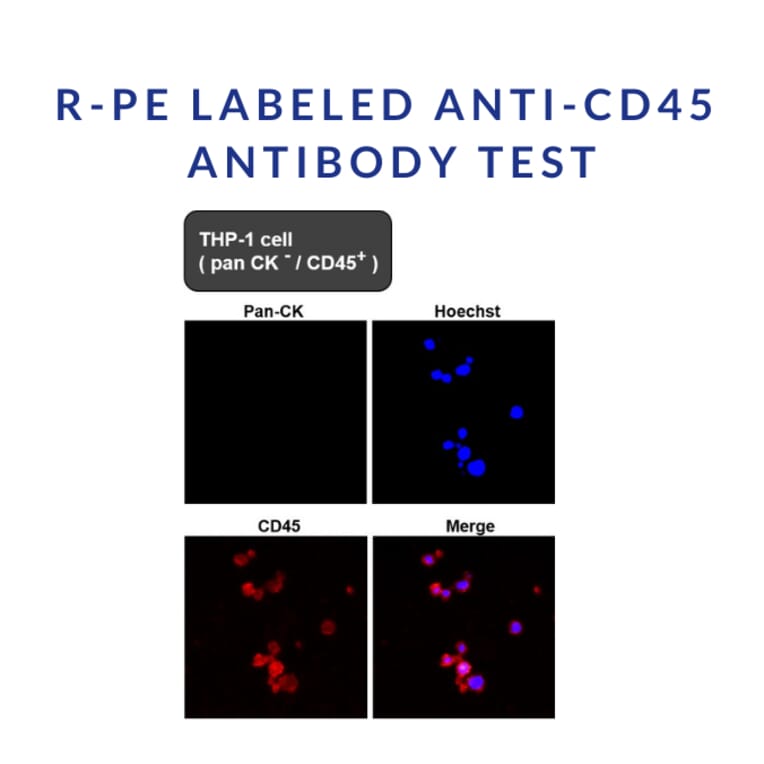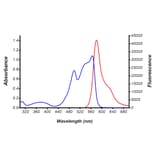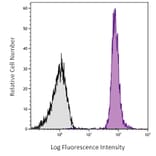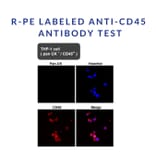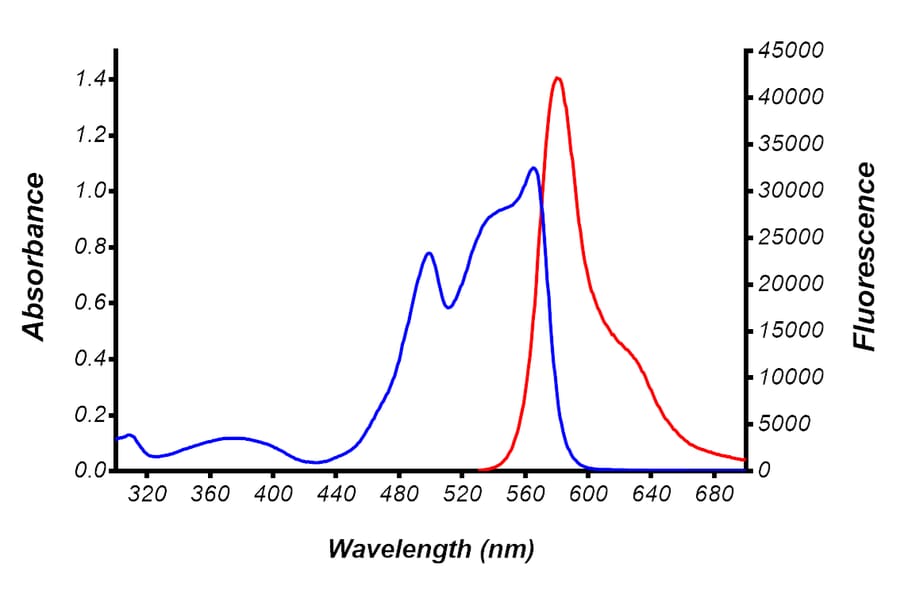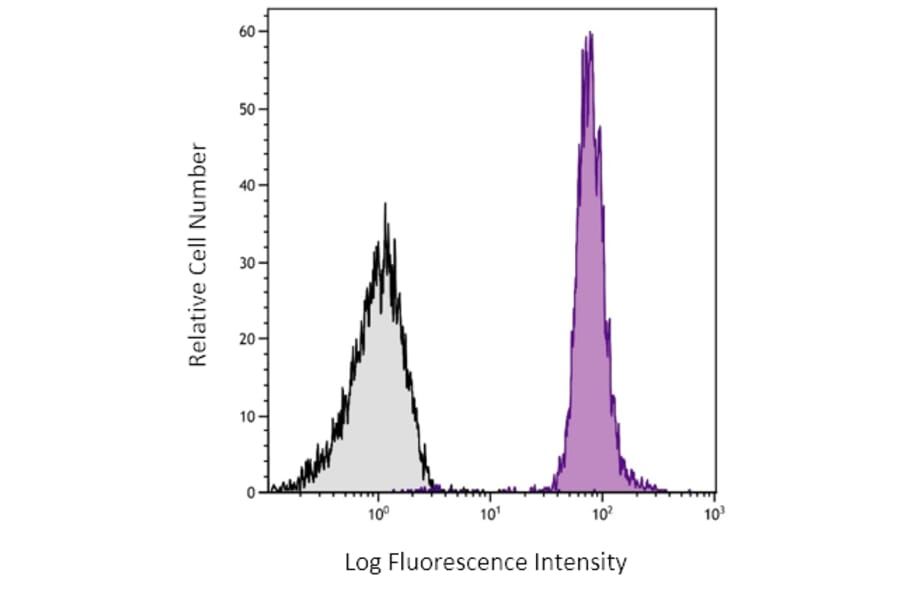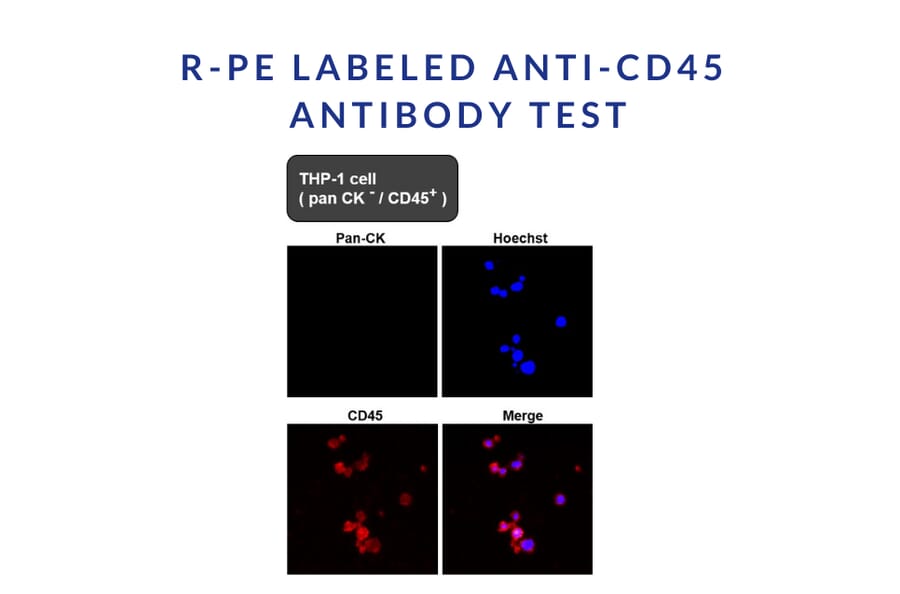

With a broad range of excitation wavelengths, R-PE can be easily excited by two laser sources (488 nm & 561 nm), and used in most fluorescence detection applications, e.g. Flow Cytometry (FC), Immunofluorescence microscopy (IF), and Microarrays. Home Algae's R-PE absorbance maxima are at 496, 546, and 565 nm, with a resolvable emission peak at 578 nm. It shows minimal fluoresence quenching.
R-PE won't penetrate into the cell and cause a false-positive reaction.
R-PE has multiple sites for stable conjugation with Biotin, Streptavidin, and other fluorophores, e.g., Cy-3, Cy-5, Cy-7.
Non-toxic, with less chance of affecting characteristics of the sample, human body, and environment.
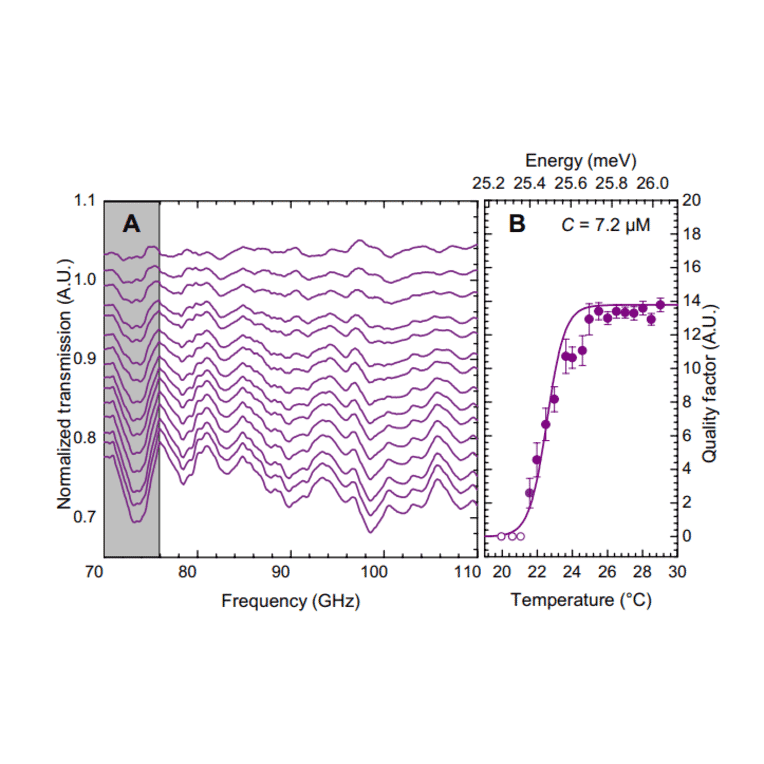
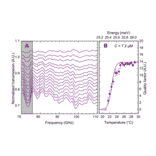
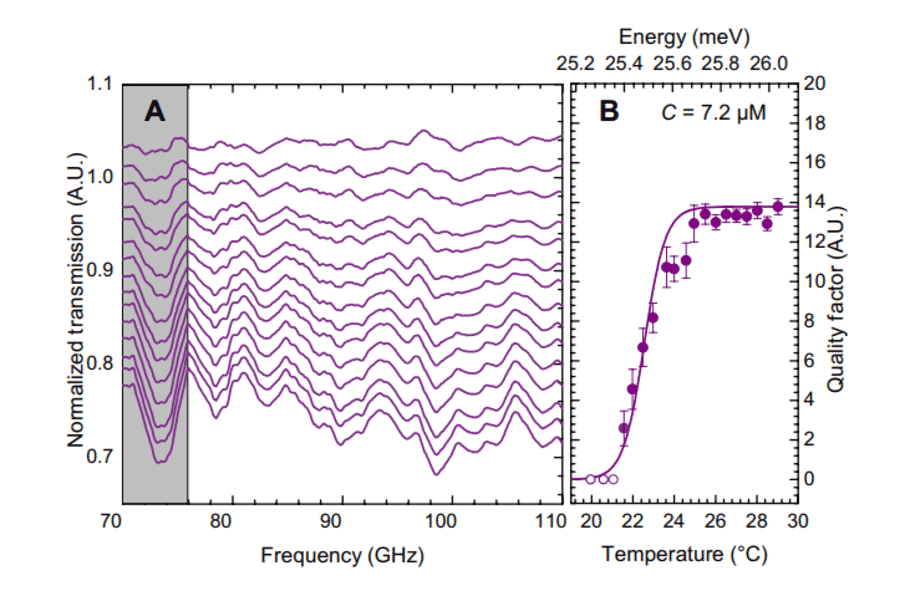
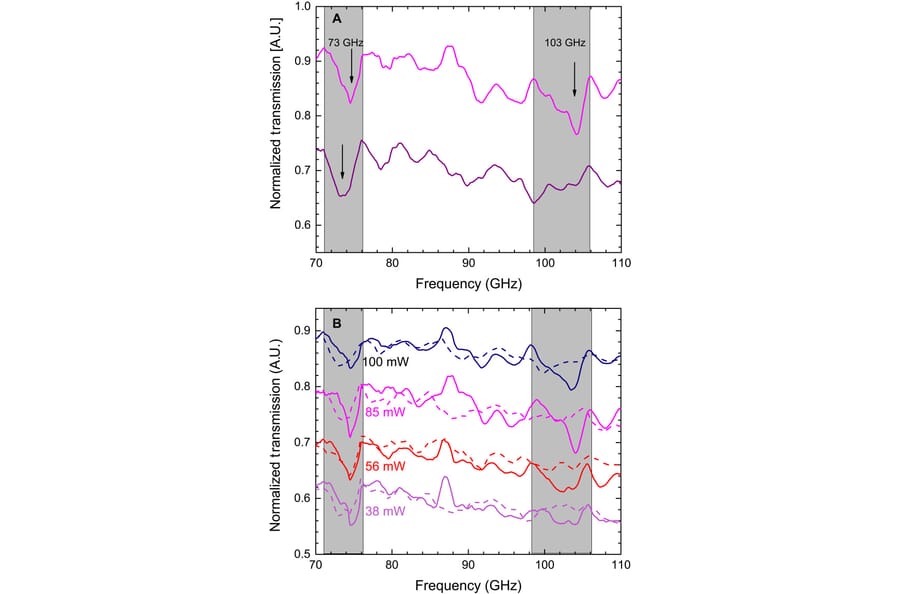
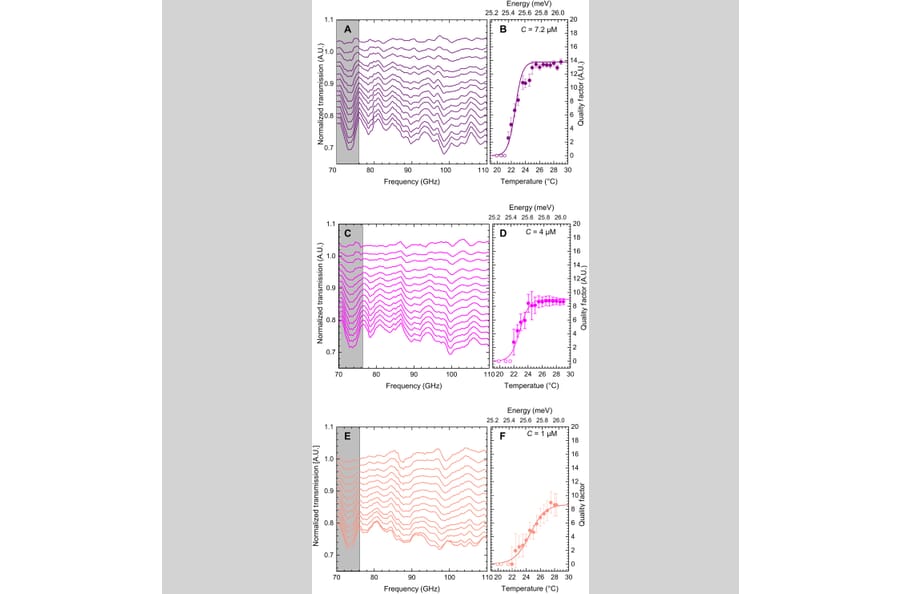
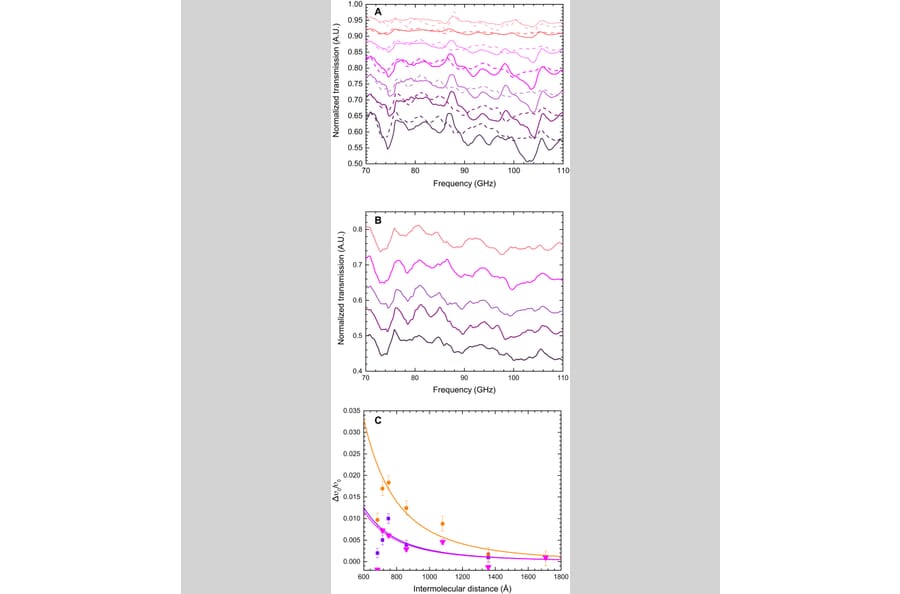
Electrodynamic interactions between biomolecules are of potential biological interest for temporal and spatial molecular controls, warranting investigation of their activation through various mechanisms in living systems. Using a light-harvesting protein in the phycobilisome antenna system of red algae, we proved that not only light exposure but also thermal energy alone can trigger attractive electrodynamic interactions up to hundreds of nanometers, sustained by low-frequency collective modes. Activation of such modes and interactions might influence conformational rearrangements and energy transport within the phycobilisome system. This paradigm shift underscores the immense potential of biological systems in exploiting different forms of energy to achieve optimal energy transfer.