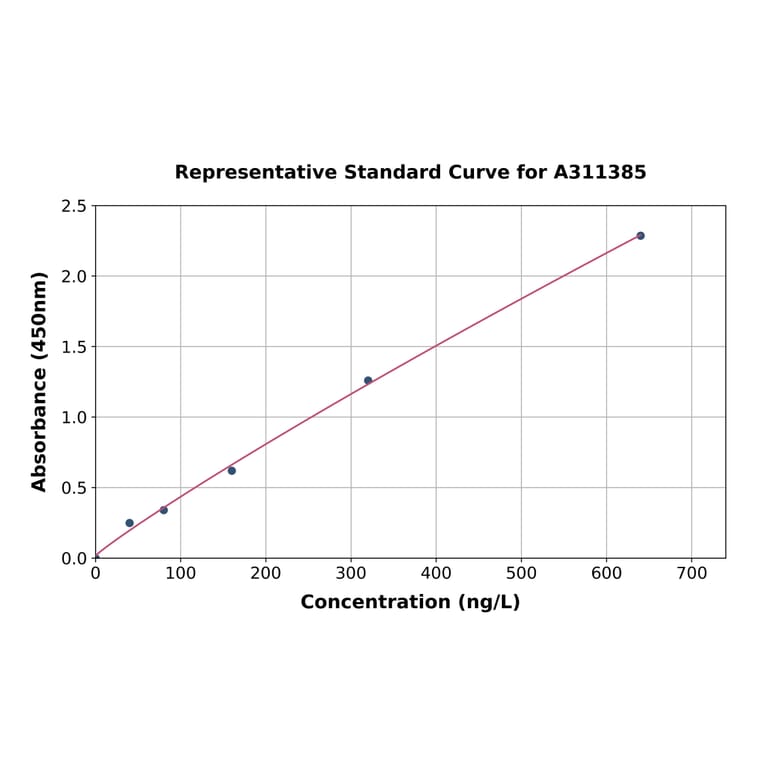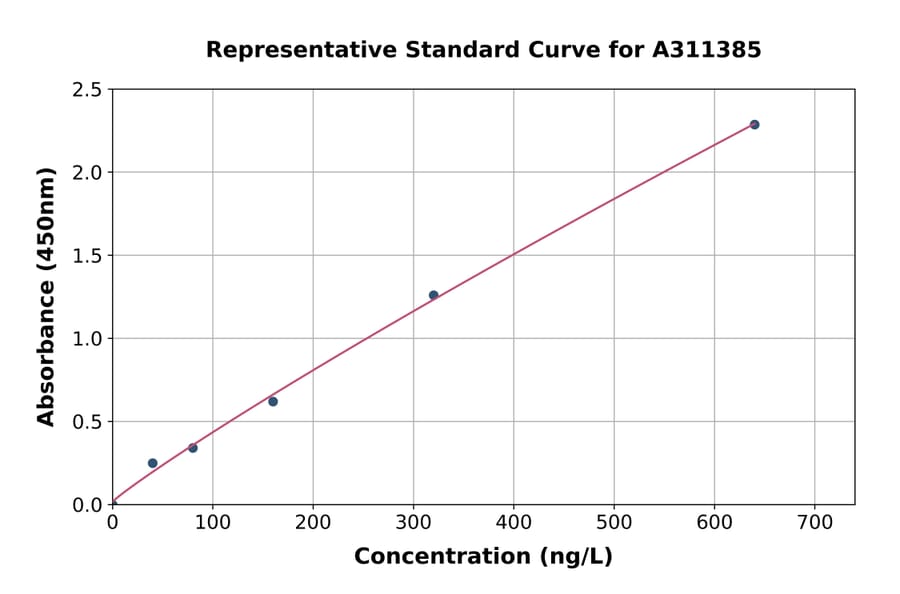

Human IL-8 ELISA Kit (A311385) has been discontinued and is no longer available.
View all IL-8 ELISA Kits.
| Item | Quantity | Storage |
|---|---|---|
| Pre-Coated 96 Well Microplate | 12 x 8 Well Strips | +4°C |
| Standard Solution | 500µl | +4°C |
| Standard Diluent | 3ml | +4°C |
| Biotinylated Detection Antibody | 1ml | +4°C |
| Streptavidin-HRP | 6ml | +4°C |
| Wash Buffer (25X) | 20ml | +4°C |
| Substrate Solution A | 6ml | +4°C |
| Substrate Solution B | 6ml | +4°C |
| Stop Solution | 6ml | +4°C |
| Plate Sealers | 5 Adhesive Strips | - |
| Foil Pouch | 1 Zip-Sealed Pouch | - |
Cutibacterium acnes (C. acnes)-induced inflammation is the key driver of acne vulgaris. C. acnes stimulates keratinocytes to secrete pro-inflammatory cytokines, subsequently triggering monocytes to produce additional cytokines. Although synthetic antibacterials, such as antibiotics, are commonly used to treat this disorder, the development of resistance has greatly diminished their effectiveness in the treatment of acne. This study aimed to evaluate whether phenylacetaldehyde (PAA), a natural compound, attenuates C. acnes-mediated inflammation without exerting antibacterial activity. The results confirmed that PAA exhibited no antibacterial activity against C. acnes at concentrations below 200 µM, as determined by the broth microdilution method. Furthermore, PAA significantly inhibited the mRNA and protein levels of pro-inflammatory cytokines in C. acnes-treated keratinocytes, as measured by quantitative real-time polymerase chain reaction and enzyme-linked immunosorbent assays, respectively. Additionally, PAA reduced the activation of nuclear factor kappa B (NF-?B) following exposure to C. acnes, as verified by western blot and luciferase reporter assays. Notably, the inhibitory action of PAA on C. acnes-induced inflammatory cytokine production was largely abolished by a protein kinase A inhibitor. Preliminary validation in monocytes further suggested that PAA suppressed the pro-inflammatory cytokine responses triggered by C. acnes. In conclusion, PAA effectively mitigated C. acnes-stimulated inflammation in keratinocytes as well as monocytes without exhibiting bactericidal activity, suggesting its potential as a supplementary therapeutic option for acne management.