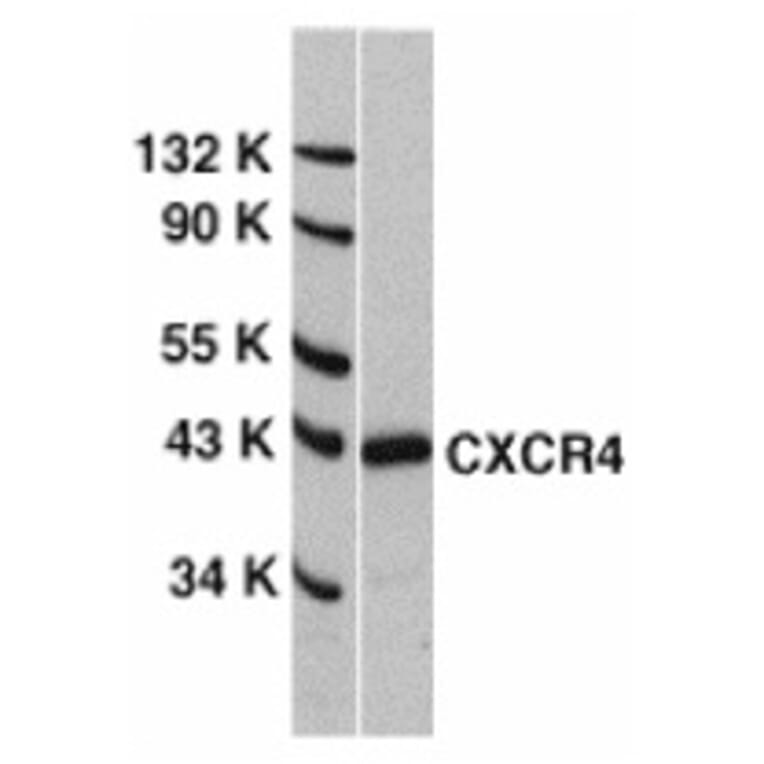
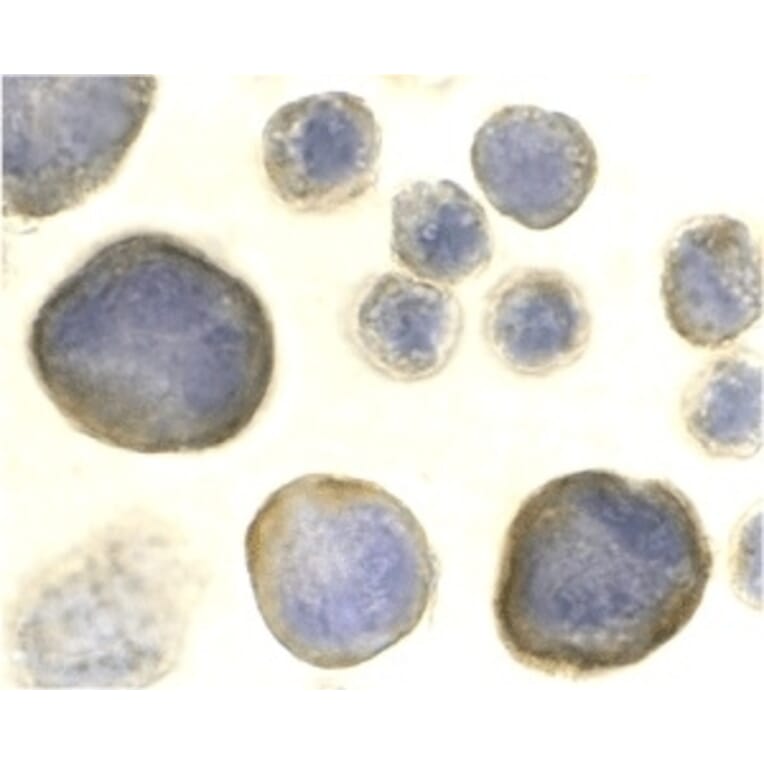
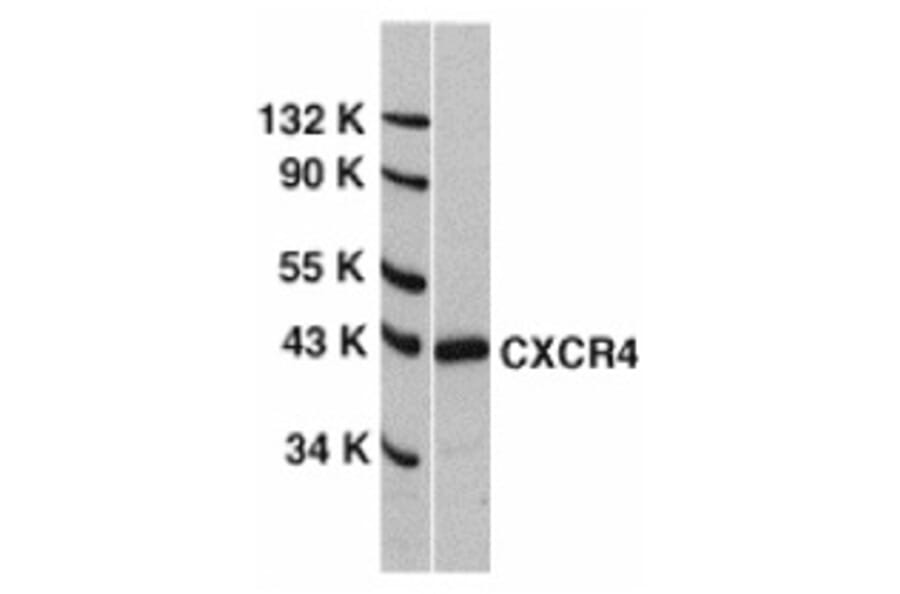
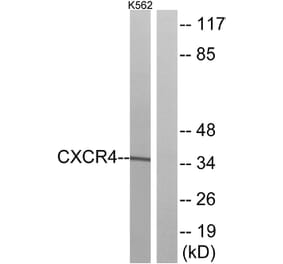
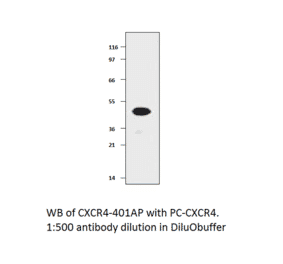
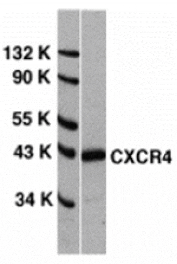
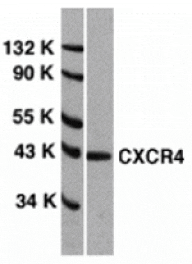
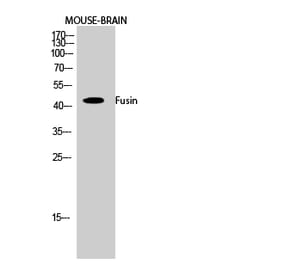
This antibody recognises the human G-protein-coupled chemokine receptor CD184, also known as CXCR4. CD184 is a 352 amino acid ~40 kDa cell surface protein known to act as a co-factor in HIV infection of CD4+ T cells. Mutations in the CD184 gene are associated with WHIM syndrome (WHIMS), an inherited combined immunodeficiency disease (Taniuchi et al.).
Applications
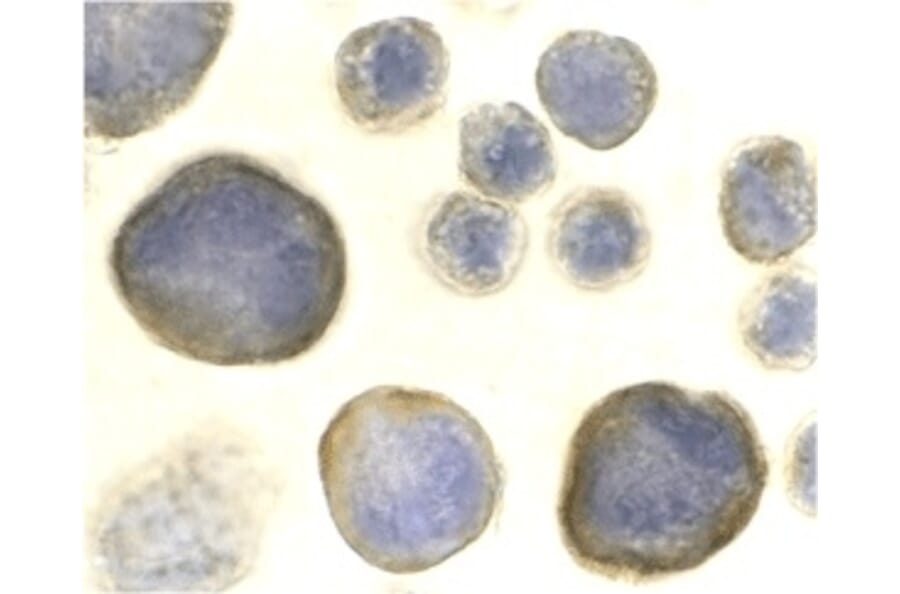
WB, IP, Flow Cytometry, IHC-Fr
Dilutions
WB: 1:1,000 - 1:2,000
Reactivity
Human
Immunogen
A peptide corresponding to amino acids 1-14 of human CD184 / CXCR4.
Sequence
MEGISIYTSDNYTE
Host
Rabbit
Clonality
Polyclonal
Isotype
IgG
Conjugate
Unconjugated
Purification
Affinity chromatography.
Concentration
1 mg/ml
Product Form
Liquid
Formulation
Supplied in Phosphate Buffered Saline with 0.02% Sodium Azide.
Storage
Shipped at ambient temperature. Upon delivery aliquot and store at -20°C. When thawed, aliquot the sample as needed. Short term (up to 4 weeks): store at 4°C. Long term: store at -20°C. Avoid freeze / thaw cycles. Storage in frost free freezers is not recommended.
General Notes
Rabbit anti Human CD184 / CXCR4 antibody recognizes the human G-protein-coupled chemokine receptor CD184, also known as CXCR4. CD184 is a 352 amino acid ~40 kDa cell surface protein known to act as a co-factor in HIV infection of CD4+ T cells (Bleul et al. 1997). Mutations in the CD184 gene are associated with WHIM syndrome (WHIMS), an inherited combined immunodeficiency disease (Taniuchi et al.).
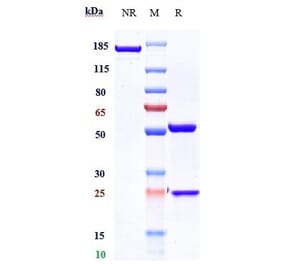
Recombinant human monoclonal antibody to CXCR4 for use as a research grade Ulocuplumab biosimilar for ELISA, Flow Cytometry, Functional Studies and in vivo Research.
Recombinant human monoclonal antibody to CXCR4 for use as a research grade MEDI3185 biosimilar for ELISA, Flow Cytometry, Functional Studies and in vivo Research.
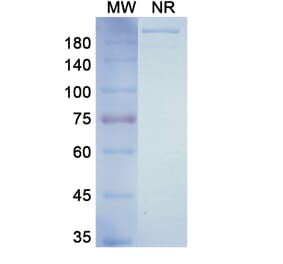
Recombinant human monoclonal antibody to CXCR4 for use as a research grade Anti-Human CXCR4 [CF172] for ELISA, Flow Cytometry, Functional Studies and in vivo Research.
Recombinant human monoclonal antibody to CXCR4 for use as a research grade Ulocuplumab biosimilar for ELISA, Flow Cytometry, Functional Studies and in vivo Research.
Recombinant human monoclonal antibody to CXCR4 for use as a research grade MEDI3185 biosimilar for ELISA, Flow Cytometry, Functional Studies and in vivo Research.
Recombinant human monoclonal antibody to CXCR4 for use as a research grade Anti-Human CXCR4 [CF172] for ELISA, Flow Cytometry, Functional Studies and in vivo Research.


![Flow Cytometry - Anti-CXCR4 Antibody [12G5] (A86617)](https://cdn.antibodies.com/image/catalog/86/A86617_1.jpg?profile=product_alternative)
![SDS-PAGE - Anti-CXCR4 Antibody [Research Grade Biosimilar] - Low endotoxin, Azide free (A323988) - Antibodies.com](https://cdn.antibodies.com/image/catalog/323/A323988_1.jpg?profile=product_alternative)
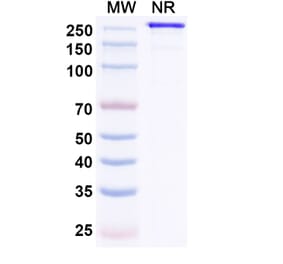
![SDS-PAGE - Anti-CXCR4 Antibody [CF172] Biosimilar - BSA and Azide free (A339648) - Antibodies.com](https://cdn.antibodies.com/image/catalog/339/A339648_1.jpg?profile=product_alternative)