

Unconjugated
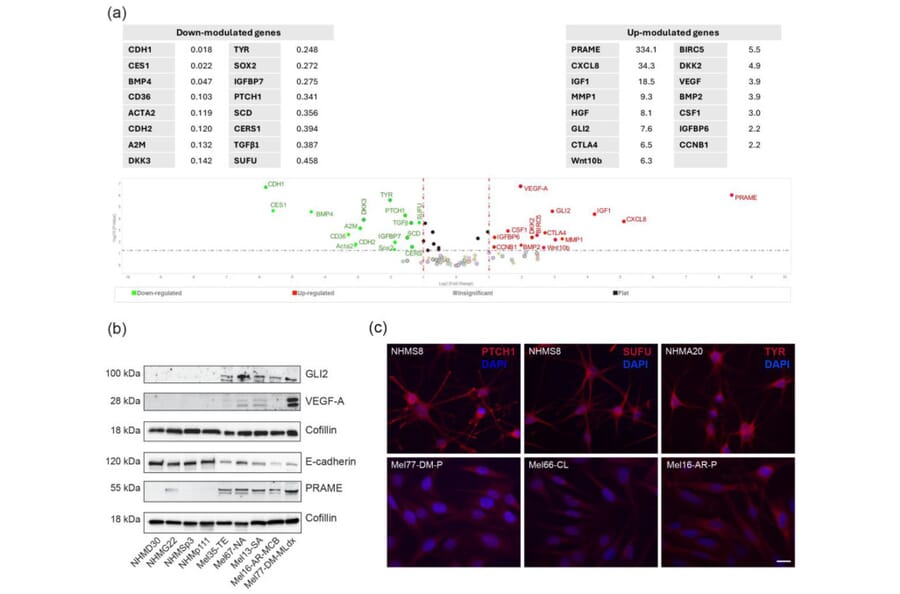
Cutaneous melanoma is a highly aggressive skin cancer prone to relapse and metastasis. Surgery is often curative when combined with early screening and prevention. However, in recurrent or advanced disease, the development of new targeted and immune therapies has demonstrated promising clinical outcomes, although the acquisition of resistance limits their effectiveness. Thus, new therapeutic approaches are needed. Emerging data indicate that the Hedgehog (Hh) pathway, which is essential for embryonic development, is aberrantly reactivated in melanoma and may represent a promising therapeutic target. Here, we demonstrate its chronic up-modulation in a panel of patient-derived cell lines and, by investigating the underlying molecular mechanisms, we excluded mutations in the principal components of the pathway. We observed reduced PTCH1 and SUFU repressors expression and GLI2 upregulation as common melanoma features. At the same time, copious SHH release, the principal PTCH1 ligand, evidenced autocrine Hh signaling activation. Consistently, a tendency of greater level of this factor resulted higher in the blood of patients compared to controls, confirming the relevance of ligand-dependent trigger in melanoma. The therapeutic potential of inhibiting the Hh pathway is highlighted by the reduced proliferation and migration observed in the presence of clinically approved pharmacological Hh antagonists. Profiling inflammatory mediators revealed significant modulation upon treatment with SMO inhibitors, possibly affecting chemotactic and immune functions. Collectively, these findings provide deeper insight into the role of the Hh pathway in melanoma and support the potential repurposing of Hh inhibitors as therapeutic agents for melanoma.
Diabetic nephropathy is recognized as the predominant cause of end-stage renal disease worldwide. In reaction to metabolic stress, the peptide hormone spexin-14, is synthesized in both central and peripheral tissues. Its level is reduced in type II diabetes mellites and may play a role in glucose metabolism. However, in the context of DN, the mechanisms through which spexin exerts its effects remain largely unknown. This research employed a rat model of DN to explore the therapeutic potential and the underlying mechanisms associated with spexin treatment. For the development of this experimental model, rats were subjected to an eight-week regimen of a high-fat, high-fructose diet prior to receiving a single dose of streptozotocin (35 mg/kg body weight). Subsequently, spexin was administered subcutaneously on a daily basis for a duration of eight weeks at a dosage of 50 µg/kg body weight. The evaluation methods employed encompassed renal function assessments, macromorphological examinations, histopathological evaluations, and analyses of inflammatory and oxidative stress mediators. Additionally, immunohistochemical staining for NF-kB and E-cadherin, along with PCR analysis of mTOR, Bcl2, and Bax gene expressions in renal tissues, were conducted. Following the administration of spexin to the diabetic rats, there was a significant reduction in serum levels of glucose, urea, creatinine, and inflammatory cytokines (IL-1ß, TNF-a), alongside a marked restoration of antioxidant enzyme activities. Furthermore, a significant decline in the levels of NF-?B, mTOR, and Bax was noted and accompanied with increased expressions of Bcl-2 and E-cadherin proteins. The observed improvements in histopathological changes significantly corroborated the biochemical results. In summary, spexin has proven to be effective in alleviating DN by its capacity to mitigate metabolic disturbances, oxidative stress, inflammation, and apoptosis.
![Immunohistochemistry - Anti-E Cadherin Antibody [CDH1/2208R] (A254145) - Antibodies.com](https://cdn.antibodies.com/image/catalog/250/A250830_1.jpg?profile=product_top)
![Western Blot - Anti-E Cadherin Antibody [CDH1/2208R] (A254004) - Antibodies.com](https://cdn.antibodies.com/image/catalog/250/A250830_2.jpg?profile=product_top)
![SDS-PAGE - Anti-E Cadherin Antibody [CDH1/2208R] (A254005) - Antibodies.com](https://cdn.antibodies.com/image/catalog/250/A250830_3.jpg?profile=product_top)
![Immunofluorescence - Anti-E Cadherin Antibody [CDH1/2208R] (A254005) - Antibodies.com](https://cdn.antibodies.com/image/catalog/250/A250830_4.jpg?profile=product_top)
![Flow Cytometry - Anti-E Cadherin Antibody [CDH1/2208R] (A253912) - Antibodies.com](https://cdn.antibodies.com/image/catalog/250/A250830_5.jpg?profile=product_top)
![Western Blot - Recombinant Anti-E Cadherin Antibody [CDH1/2208R] (A250830) - Antibodies.com](https://cdn.antibodies.com/image/catalog/250/A250830_141596411.png?profile=product_top)
![Western Blot - Recombinant Anti-E Cadherin Antibody [CDH1/2208R] (A250830) - Antibodies.com](https://cdn.antibodies.com/image/catalog/250/A250830_241596411.png?profile=product_top)
![Immunofluorescence - Recombinant Anti-E Cadherin Antibody [CDH1/2208R] (A250830) - Antibodies.com](https://cdn.antibodies.com/image/catalog/250/A250830_341596411.png?profile=product_top)
![Immunohistochemistry - Anti-E Cadherin Antibody [CDH1/2208R] (A254145) - Antibodies.com](https://cdn.antibodies.com/image/catalog/250/A250830_1.jpg?profile=product_top_thumb)
![Western Blot - Anti-E Cadherin Antibody [CDH1/2208R] (A254004) - Antibodies.com](https://cdn.antibodies.com/image/catalog/250/A250830_2.jpg?profile=product_top_thumb)
![SDS-PAGE - Anti-E Cadherin Antibody [CDH1/2208R] (A254005) - Antibodies.com](https://cdn.antibodies.com/image/catalog/250/A250830_3.jpg?profile=product_top_thumb)
![Immunofluorescence - Anti-E Cadherin Antibody [CDH1/2208R] (A254005) - Antibodies.com](https://cdn.antibodies.com/image/catalog/250/A250830_4.jpg?profile=product_top_thumb)
![Flow Cytometry - Anti-E Cadherin Antibody [CDH1/2208R] (A253912) - Antibodies.com](https://cdn.antibodies.com/image/catalog/250/A250830_5.jpg?profile=product_top_thumb)
![Western Blot - Recombinant Anti-E Cadherin Antibody [CDH1/2208R] (A250830) - Antibodies.com](https://cdn.antibodies.com/image/catalog/250/A250830_141596411.png?profile=product_top_thumb)
![Western Blot - Recombinant Anti-E Cadherin Antibody [CDH1/2208R] (A250830) - Antibodies.com](https://cdn.antibodies.com/image/catalog/250/A250830_241596411.png?profile=product_top_thumb)
![Immunohistochemistry - Anti-E Cadherin Antibody [CDH1/2208R] (A254145) - Antibodies.com](https://cdn.antibodies.com/image/catalog/250/A250830_1.jpg?profile=product_image)
![Western Blot - Anti-E Cadherin Antibody [CDH1/2208R] (A254004) - Antibodies.com](https://cdn.antibodies.com/image/catalog/250/A250830_2.jpg?profile=product_image)
![SDS-PAGE - Anti-E Cadherin Antibody [CDH1/2208R] (A254005) - Antibodies.com](https://cdn.antibodies.com/image/catalog/250/A250830_3.jpg?profile=product_image)
![Immunofluorescence - Anti-E Cadherin Antibody [CDH1/2208R] (A254005) - Antibodies.com](https://cdn.antibodies.com/image/catalog/250/A250830_4.jpg?profile=product_image)
![Flow Cytometry - Anti-E Cadherin Antibody [CDH1/2208R] (A253912) - Antibodies.com](https://cdn.antibodies.com/image/catalog/250/A250830_5.jpg?profile=product_image)
![Western Blot - Recombinant Anti-E Cadherin Antibody [CDH1/2208R] (A250830) - Antibodies.com](https://cdn.antibodies.com/image/catalog/250/A250830_141596411.png?profile=product_image)
![Western Blot - Recombinant Anti-E Cadherin Antibody [CDH1/2208R] (A250830) - Antibodies.com](https://cdn.antibodies.com/image/catalog/250/A250830_241596411.png?profile=product_image)
![Immunofluorescence - Recombinant Anti-E Cadherin Antibody [CDH1/2208R] (A250830) - Antibodies.com](https://cdn.antibodies.com/image/catalog/250/A250830_341596411.png?profile=product_image)


![Immunohistochemistry - Anti-E Cadherin Antibody [CDH1/1525] (A253443) - Antibodies.com](https://cdn.antibodies.com/image/catalog/250/A250825_1.jpg?profile=product_alternative)
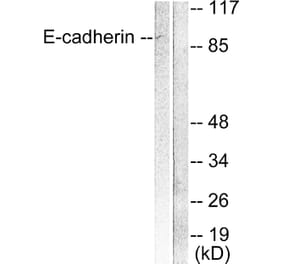
![Immunohistochemistry - Anti-E Cadherin Antibody [CDH1/1525] - BSA and Azide free (A250825) - Antibodies.com](https://cdn.antibodies.com/image/catalog/254/A254005_1.jpg?profile=product_alternative)
![Immunohistochemistry - Anti-E Cadherin Antibody [4A2] (A251557) - Antibodies.com](https://cdn.antibodies.com/image/catalog/250/A250824_1.jpg?profile=product_alternative)
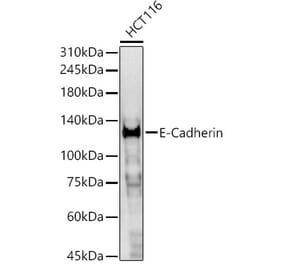
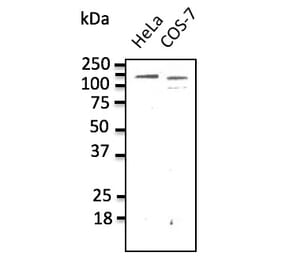
![Immunohistochemistry - Anti-E Cadherin Antibody [4A2] - BSA and Azide free (A250824) - Antibodies.com](https://cdn.antibodies.com/image/catalog/254/A254004_1.jpg?profile=product_alternative)
![Immunohistochemistry - Anti-E Cadherin Antibody [CDH1/2208R] - BSA and Azide free (A250830) - Antibodies.com](https://cdn.antibodies.com/image/catalog/254/A254010_1.jpg?profile=product_alternative)
![SDS-PAGE - Anti-E Cadherin Antibody [Research Grade Biosimilar] - Low endotoxin, Azide free (A324002) - Antibodies.com](https://cdn.antibodies.com/image/catalog/324/A324002_1.jpg?profile=product_alternative)
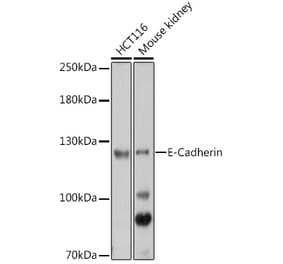
![Immunohistochemistry - Anti-E Cadherin Antibody [CDH1/4585] (A251501) - Antibodies.com](https://cdn.antibodies.com/image/catalog/250/A250823_1.jpg?profile=product_alternative)
![Immunohistochemistry - Anti-E Cadherin Antibody [SPM471] (A251395) - Antibodies.com](https://cdn.antibodies.com/image/catalog/250/A250827_1.jpg?profile=product_alternative)