

Anti-TREM2 Antibody (A84373) has been discontinued and is no longer available.
View all TREM2 Antibodies.
Unconjugated
Background: Tuberculosis is associated with increased risk of cardiovascular events. We investigated the impact of antimicrobial therapy alone and in combination with anti-CCR2 modulation in monocyte profiling and atherosclerosis development.
Methods: Twelve-week-old low-density lipoprotein receptor knockout (Ldlr -/-) mice were infected with Mycobacterium bovis Bacille-Calmette-Guérin (BCG; 1.0-2.5 × 10⁶ colony-forming units) via the intranasal route and fed a western-type high-fat diet for 16 weeks. Mice were treated with oral isoniazid and rifampin (INH/RIF) between weeks 4 and 12 to induce microbiologic clearance, with and without intraperitoneal injections of anti-CCR2 monoclonal antibodies administered twice weekly. Age-matched infected and uninfected Ldlr -/- mice served as controls. We assessed monocyte phenotyping using flow cytometry, and quantified atherosclerosis in aortas using Oil-Red-O staining. Plaque composition was assessed in aortic roots.
Results: Compared to uninfected mice, untreated BCG-infected mice and BCG-infected mice treated with INH/RIF exhibited an expansion of Ly6Clow non-classical monocytes, as well as increased expression of monocyte activation markers. BCG-infected mice developed increased atherosclerotic lesions in their aortae, regardless of INH/RIF treatment. The addition of anti-CCR2 adjunctive therapy to INH/RIF treatment decreased monocyte activation markers including MHC-II, CD64, CD36, CX3CR1, and diminished interleukin-6 production upon lipopolysaccharide stimulation. Finally, anti-CCR2 adjunctive therapy decreased atherosclerosis lesions of BCG-infected INH/RIF-treated mice, while also decreasing plaque size and lipid content.
Conclusions: Monocyte activation and atherosclerosis burden remained elevated after BCG clearance with antimicrobials. The addition of anti-CCR2 to antimicrobial therapy dampened monocyte activation and atherosclerosis development. Our results indicate that combining antimicrobials with CCR2 immunomodulation may reduce mycobacteria-aggravated atherosclerosis.
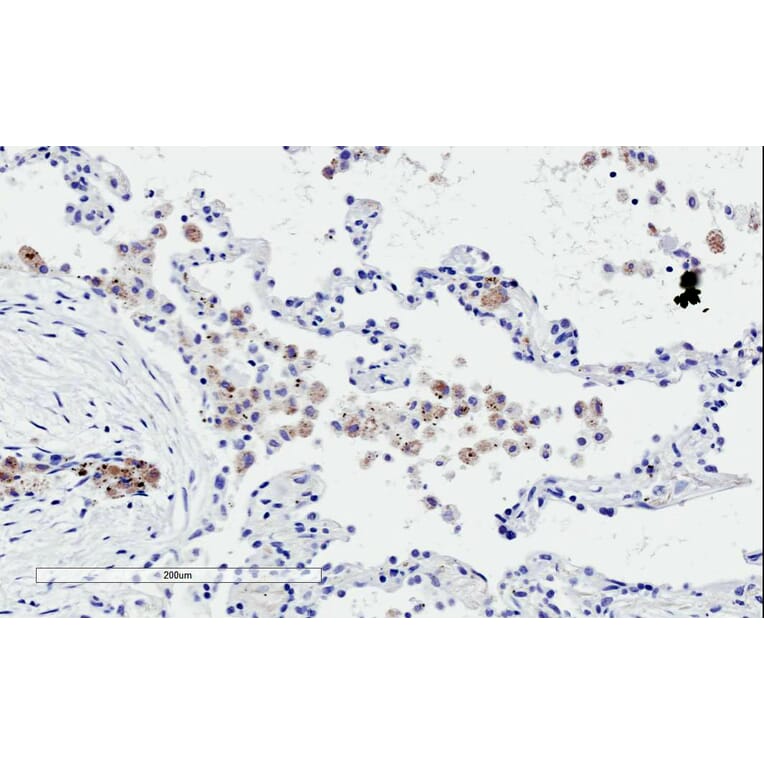
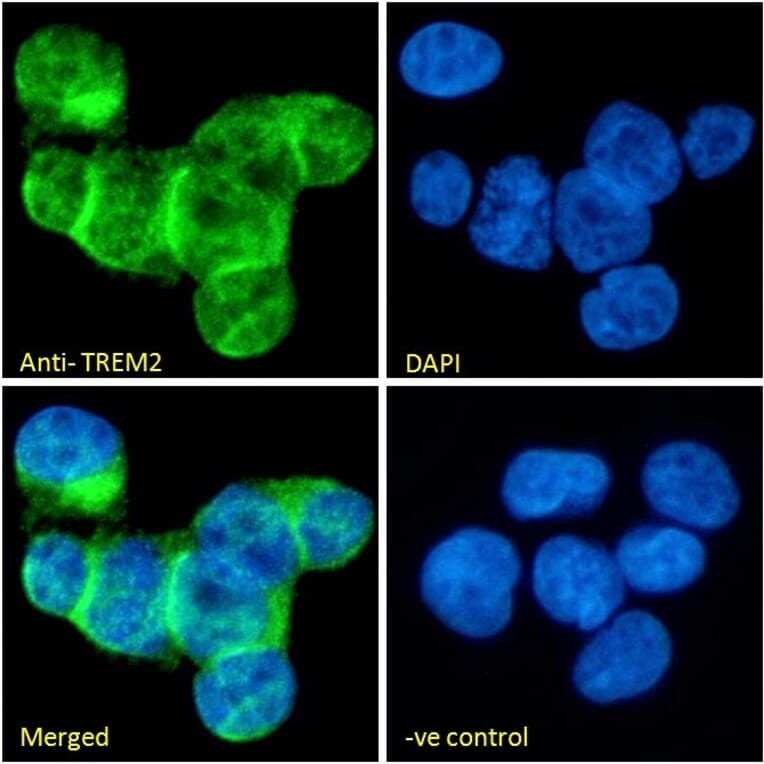
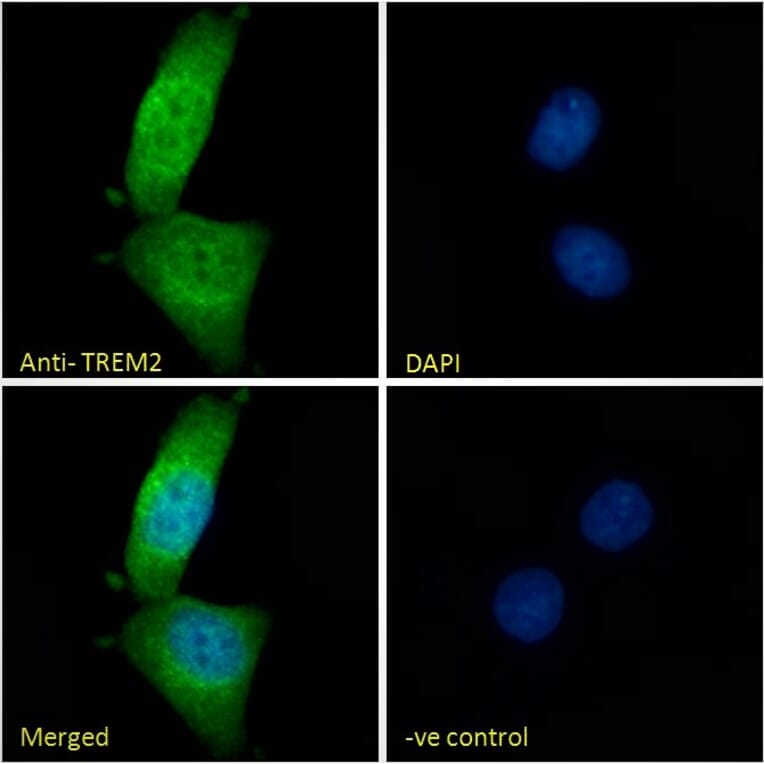
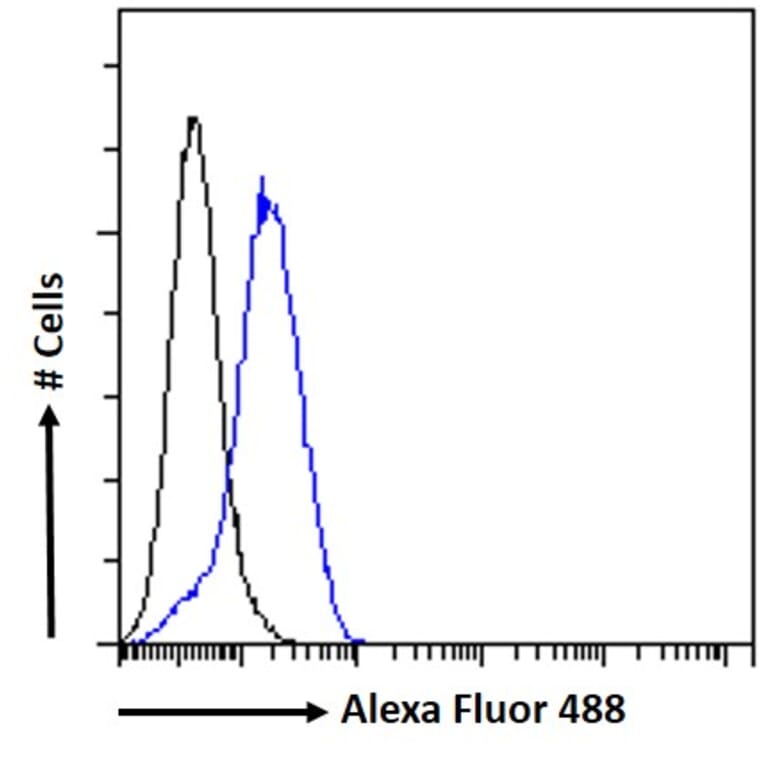

![SDS-PAGE - Anti-TREM2 Antibody [PY314] - Low endotoxin, Azide free (A324279) - Antibodies.com](https://cdn.antibodies.com/image/catalog/324/A324279_1.jpg?profile=product_alternative)
![Chromatography profile - Anti-TREM2 Antibody [al2] Biosimilar - BSA and Azide free (A339290) - Antibodies.com](https://cdn.antibodies.com/image/catalog/339/A339290_1.jpg?profile=product_alternative)
![SDS-PAGE - Anti-TREM2 Antibody [DNL919] Biosimilar - BSA and Azide free (A340447) - Antibodies.com](https://cdn.antibodies.com/image/catalog/340/A340447_1.jpg?profile=product_alternative)
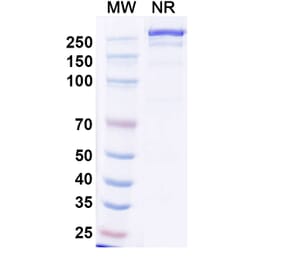
![SDS-PAGE - Anti-TREM2 Antibody [DNL919-ATV] Biosimilar - BSA and Azide free (A340877) - Antibodies.com](https://cdn.antibodies.com/image/catalog/340/A340877_1.jpg?profile=product_alternative)
![SDS-PAGE - Anti-TREM2 Antibody [AL2p-58] Biosimilar - BSA and Azide free (A339291) - Antibodies.com](https://cdn.antibodies.com/image/catalog/339/A339291_1.jpg?profile=product_alternative)
![SDS-PAGE - Anti-TREM2 Antibody [PY314] Biosimilar - BSA and Azide free (A340445) - Antibodies.com](https://cdn.antibodies.com/image/catalog/340/A340445_1.jpg?profile=product_alternative)
![SDS-PAGE - Anti-TREM2 Antibody [VGL11] Biosimilar - BSA and Azide free (A340446) - Antibodies.com](https://cdn.antibodies.com/image/catalog/340/A340446_1.jpg?profile=product_alternative)
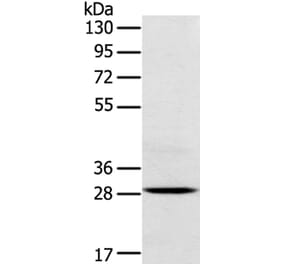
![SDS-PAGE - Anti-TREM2 Antibody [Research Grade] [EOS006215] - BSA and Azide free (A344159) - Antibodies.com](https://cdn.antibodies.com/image/catalog/344/A344159_1.jpg?profile=product_alternative)
![Flow Cytometry - Anti-TREM2 Chimeric Antibody [DMC223] - Azide free (A318794) - Antibodies.com](https://cdn.antibodies.com/image/catalog/318/A318794_1.jpg?profile=product_alternative)