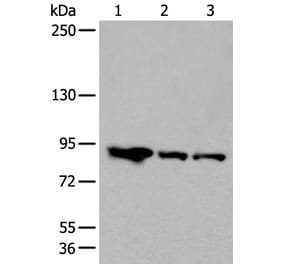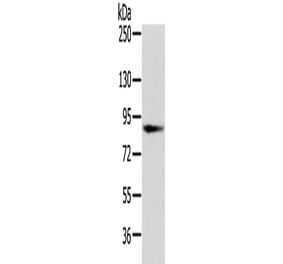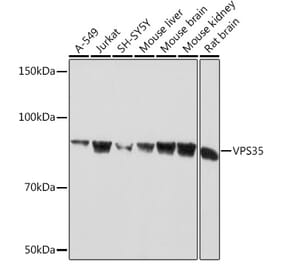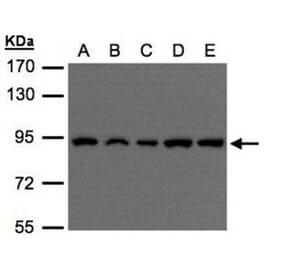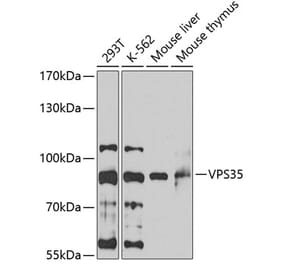

Unconjugated
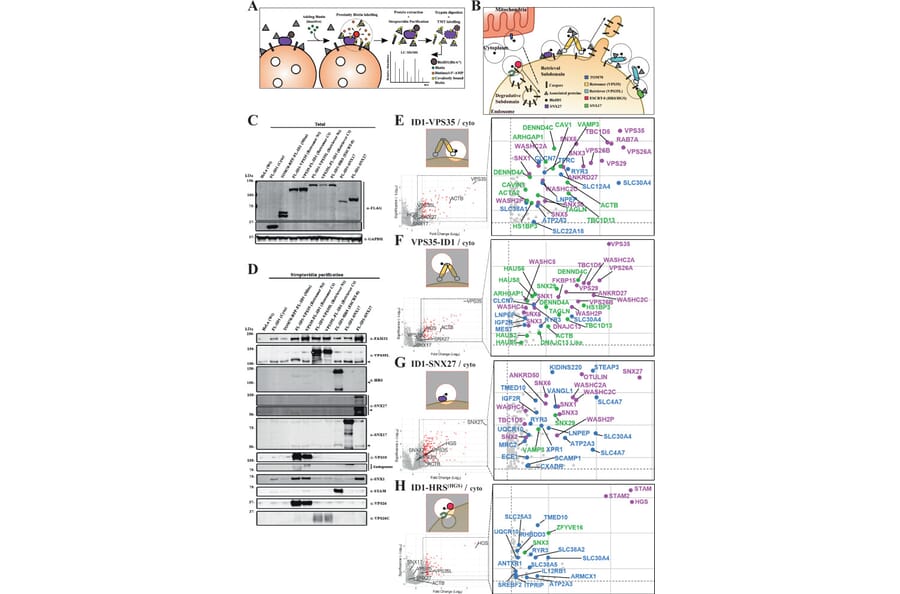
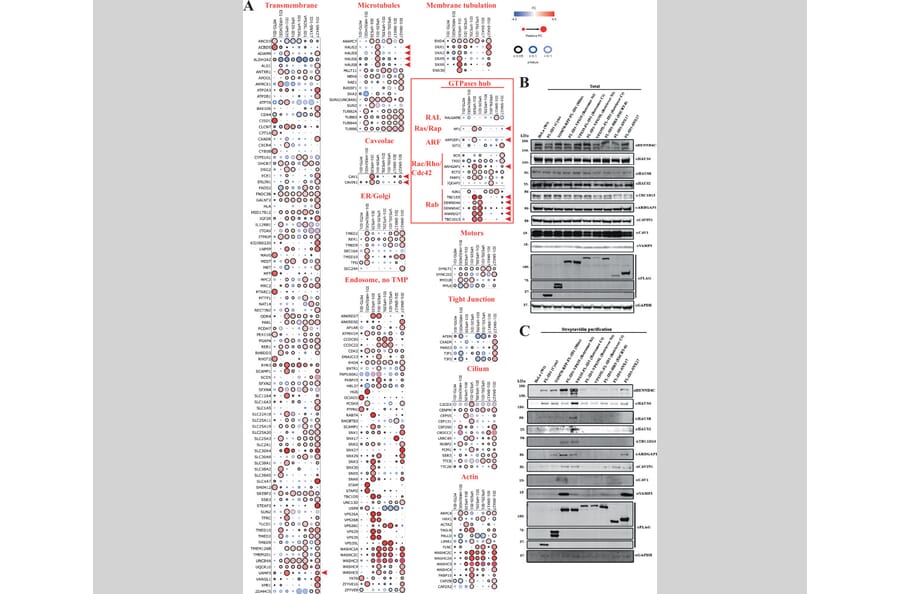
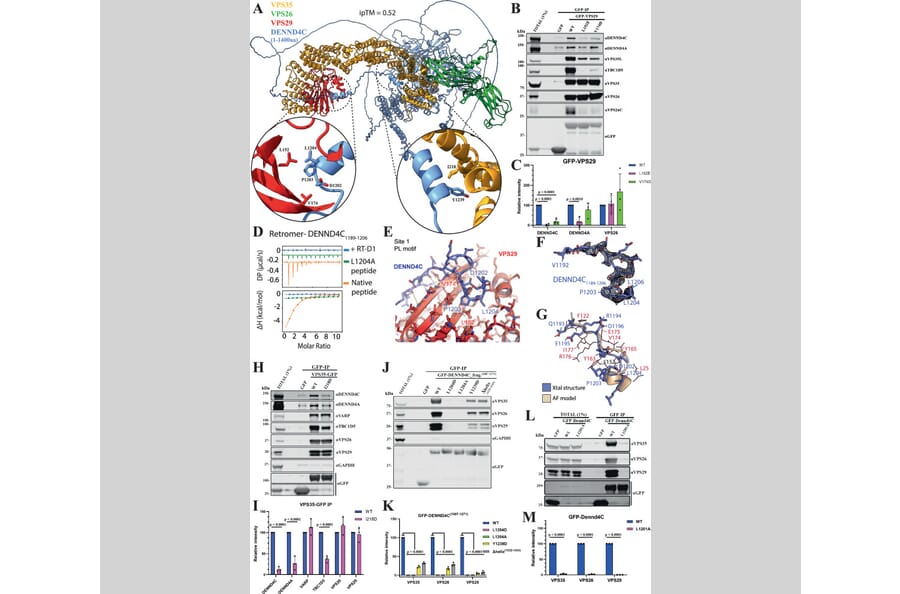
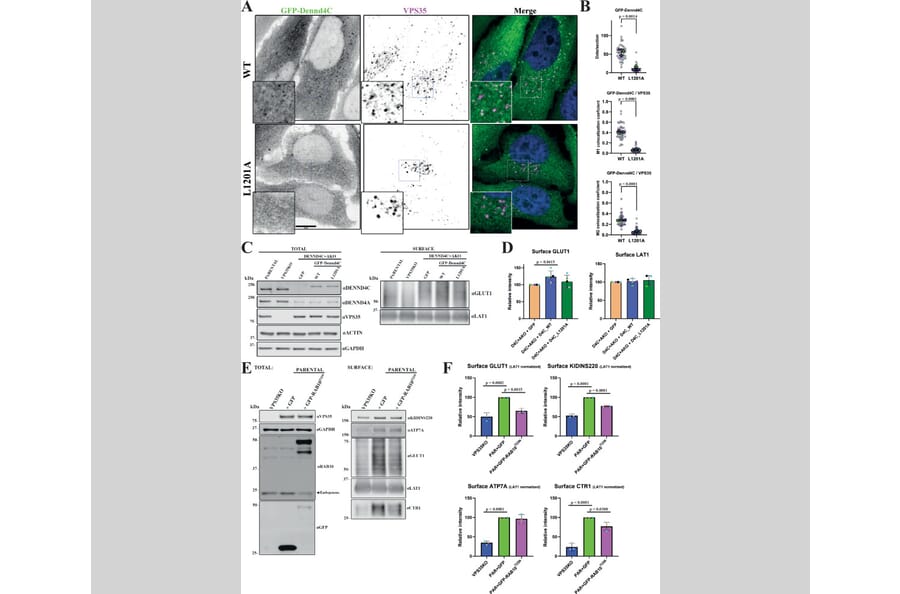
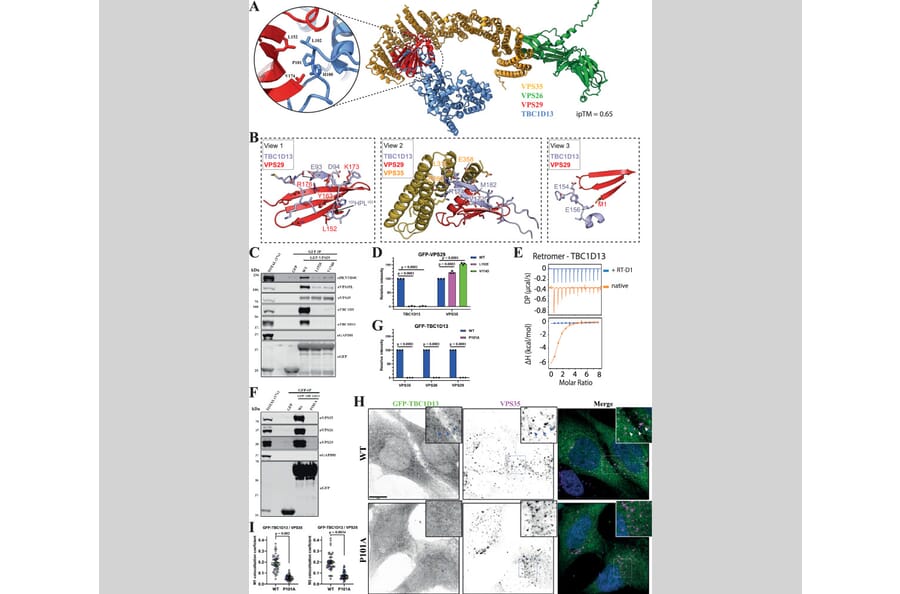
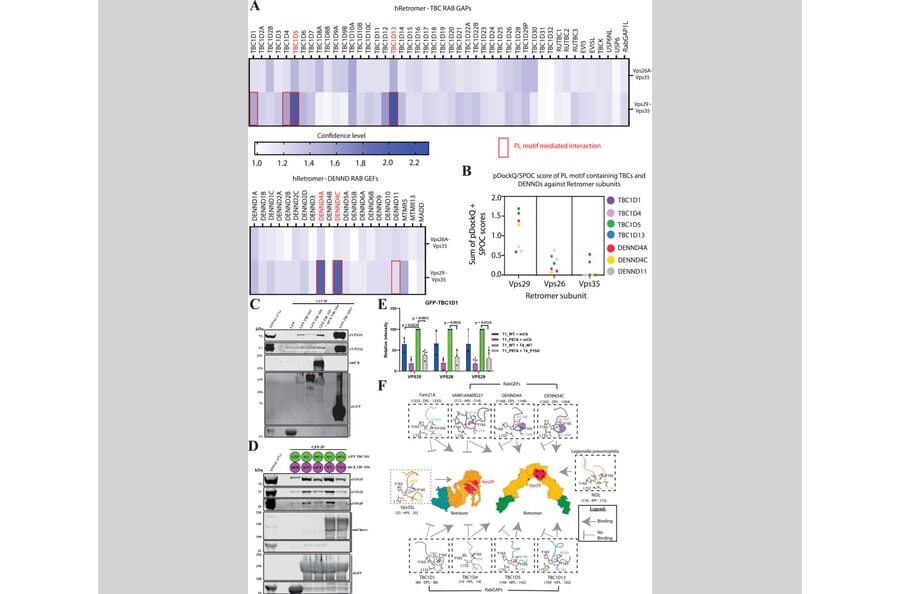
Endosomal retrieval and recycling of integral cargo proteins is essential for cell and organism development and homeostasis and is orchestrated through a specialised endosomal nanodomain, the retrieval sub-domain. Sub-domain dysfunction is associated with human disease, but our mechanistic understanding of its function remains poorly described. Here, using proximity proteomics of retrieval sub-domain components Retromer and Retriever we identify mechanistic details of retrieval sub-domain composition and organization, including an unrecognised complexity in the interface with RAB GTPase switching. Combining X-ray crystallography and in silico predictions with biochemical and cellular analysis, we reveal that Retromer directly associates and recruits the RAB10 regulators DENND4A, DENND4C, TBC1D1, and TBC1D4, and the RAB35 regulator TBC1D13 to regulate retrieval sub-domain function. The retrieval sub-domain therefore constitutes a hub for integrating cargo recycling with the regulated switching of selected RAB GTPases. We propose this constitutes a major component of the neuroprotective role of the retrieval sub-domain.
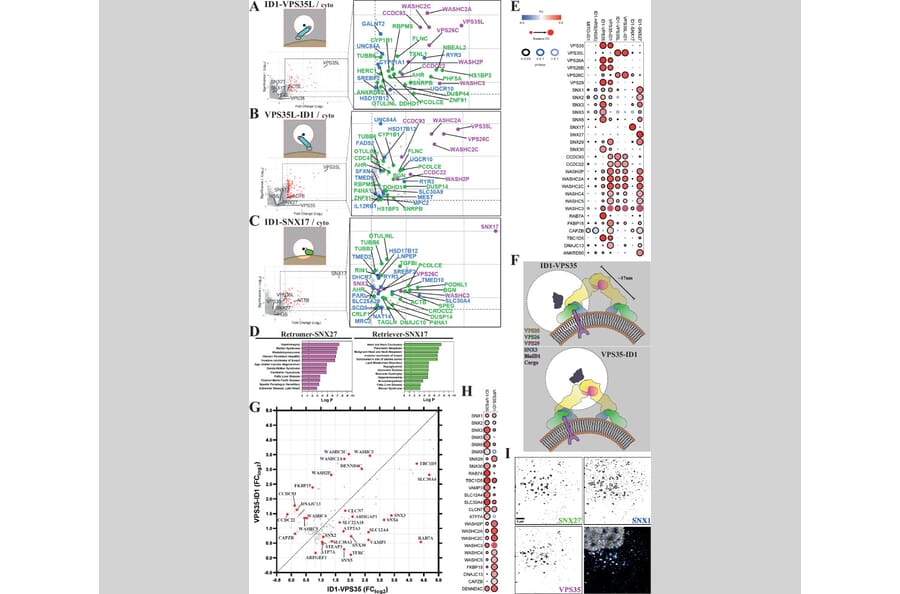
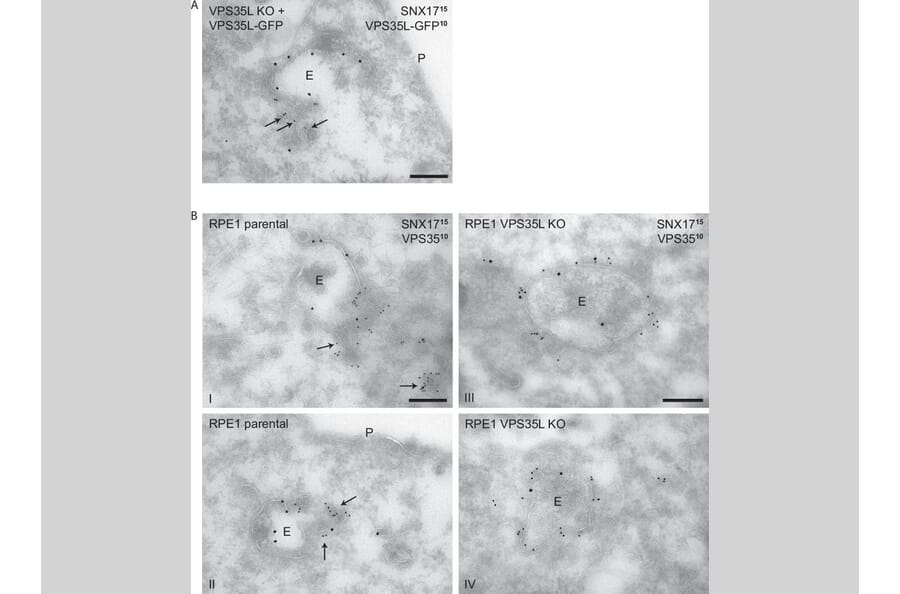
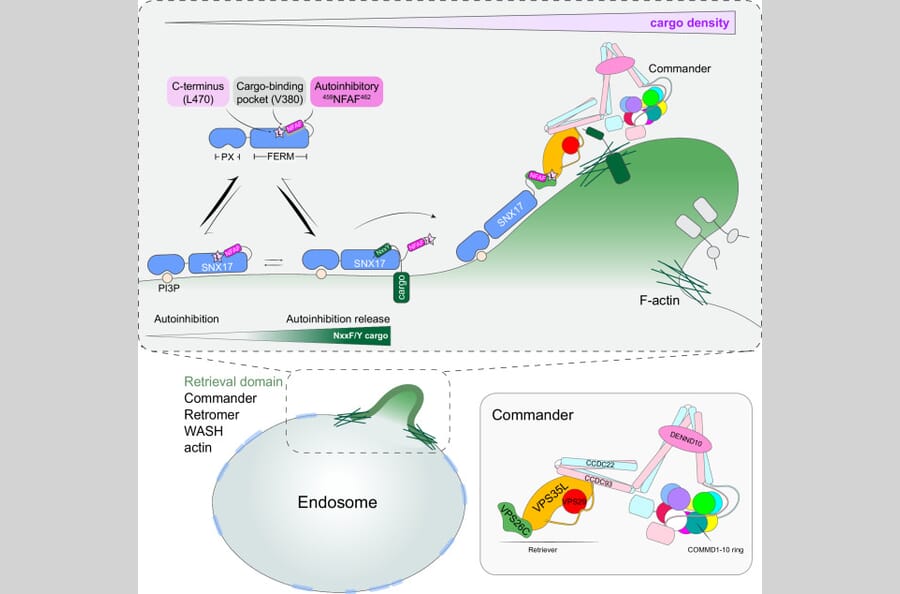
Commander is a multiprotein complex that orchestrates endosomal recycling of integral cargo proteins and is essential for normal development. While the structure of this complex has recently been described, how cargo proteins are selected for Commander-mediated recycling remains unclear. Here we identify the mechanism through which the unstructured carboxy-terminal tail of the cargo adaptor sorting nexin-17 (SNX17) directly binds to the Retriever sub-complex of Commander. SNX17 adopts an autoinhibited conformation where its carboxy-terminal tail occupies the cargo binding groove. Competitive cargo binding overcomes this autoinhibition, promoting SNX17 endosomal residency and the release of the tail for Retriever association. Furthermore, our study establishes the central importance of SNX17-Retriever association in the handover of integrin and lipoprotein receptor cargoes into pre-existing endosomal retrieval sub-domains. In describing the principal mechanism of cargo entry into the Commander recycling pathway we provide key insight into the function and regulation of this evolutionary conserved sorting pathway.
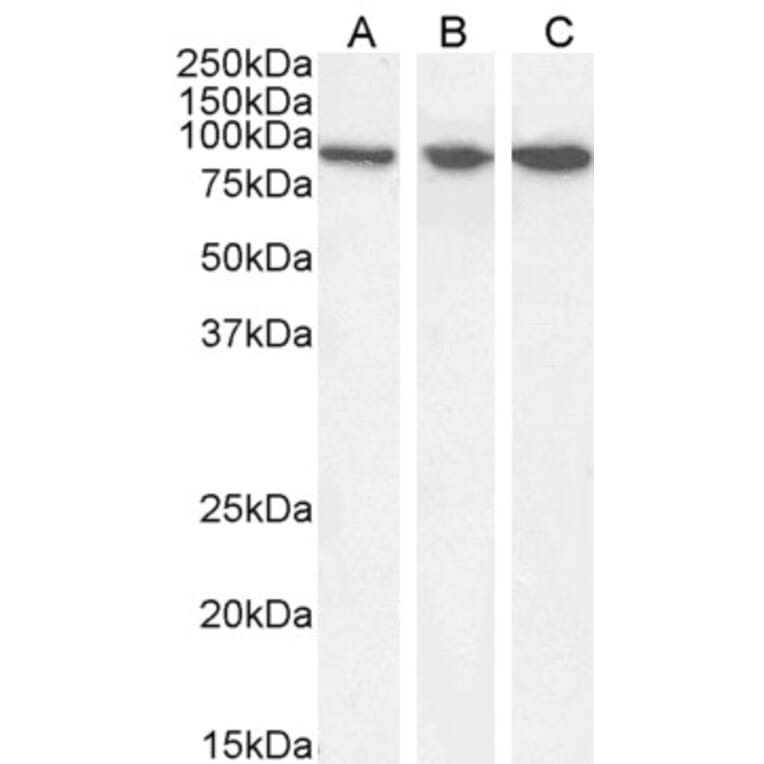
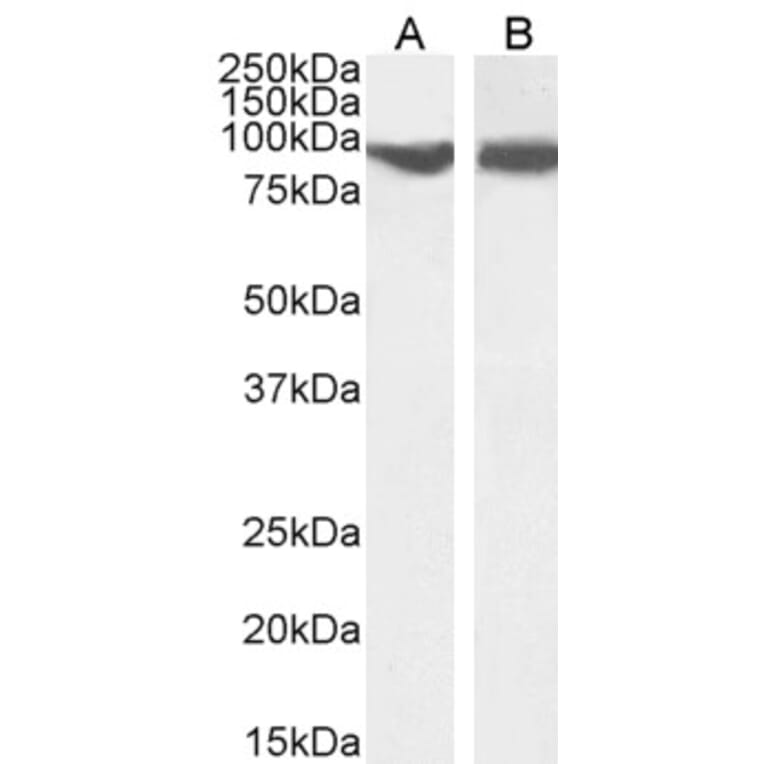
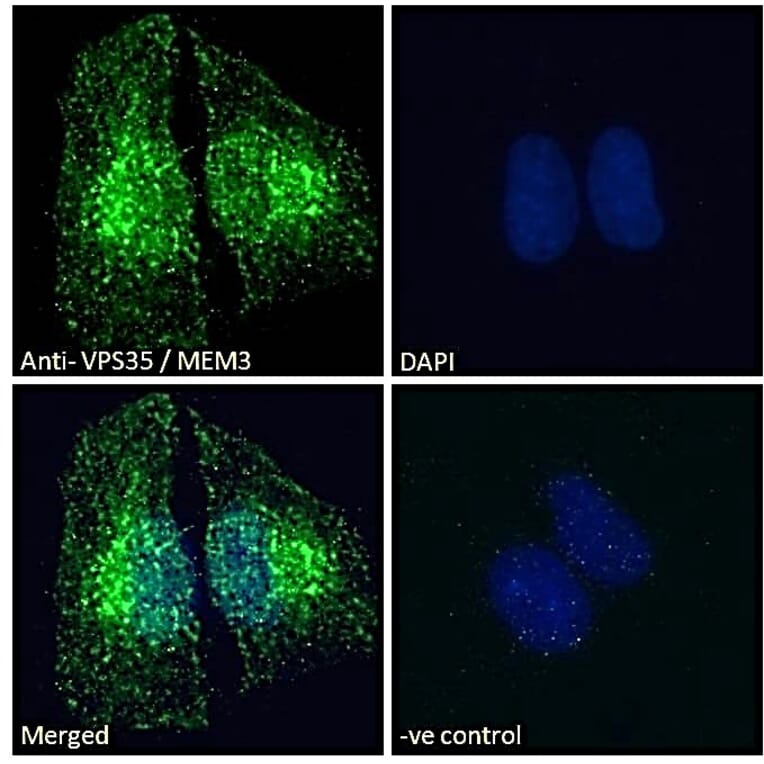
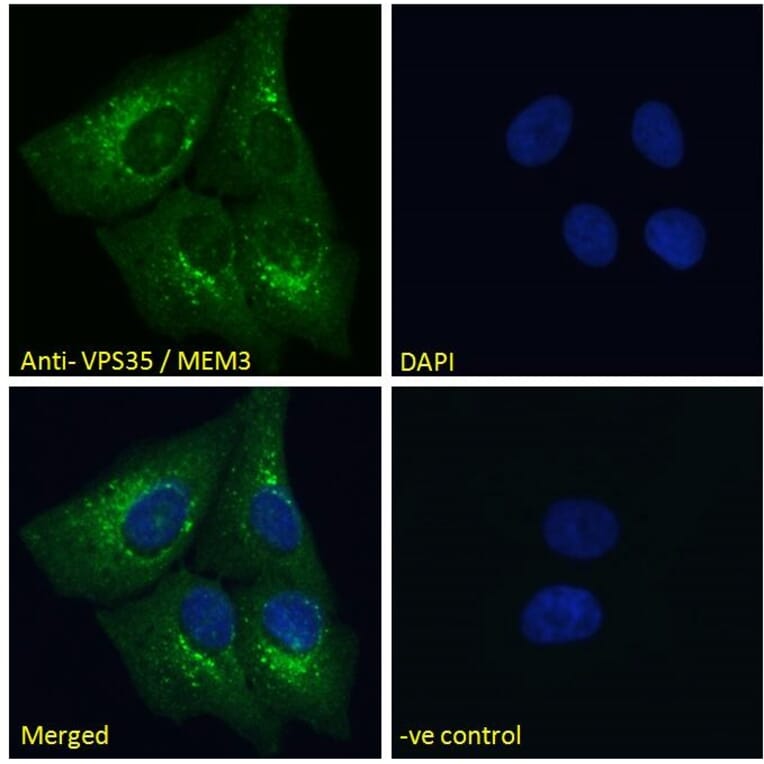
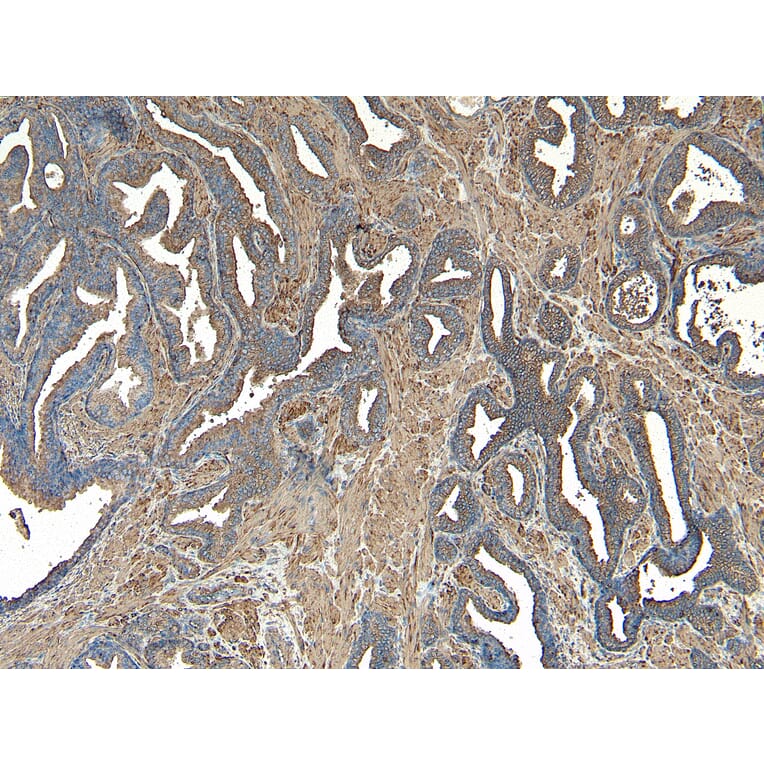
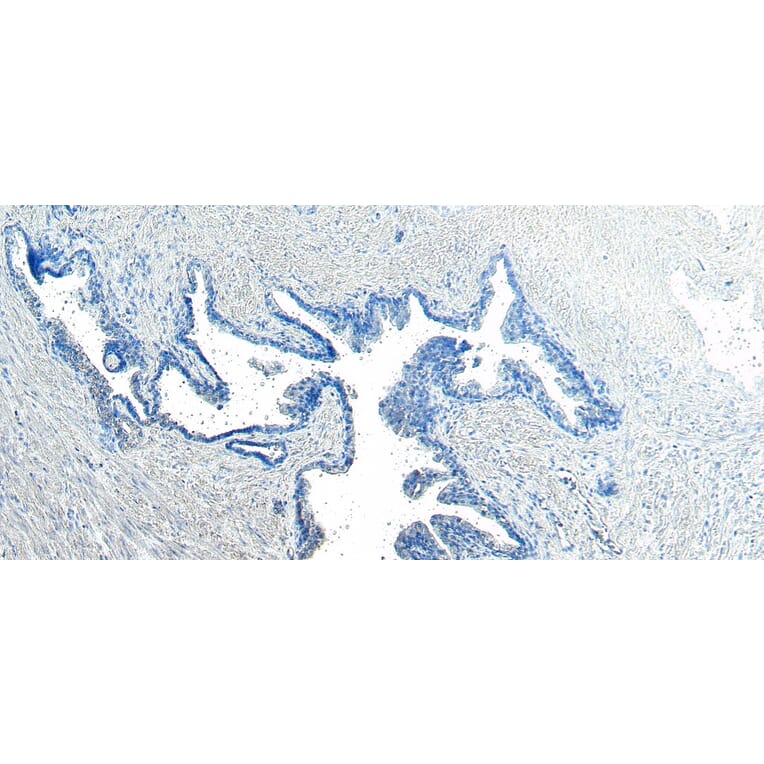
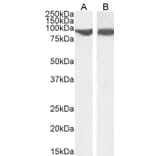
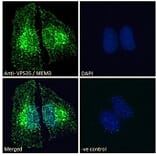
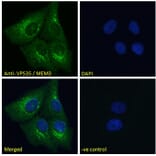
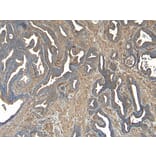




![Immunocytochemistry/Immunofluorescence - Anti-VPS35 Antibody [8A3] (A305034) - Antibodies.com](https://cdn.antibodies.com/image/catalog/305/A305034_1.png?profile=product_alternative)
![Immunocytochemistry/Immunofluorescence - Anti-VPS35 Antibody [10A8] (A305035) - Antibodies.com](https://cdn.antibodies.com/image/catalog/305/A305035_1.png?profile=product_alternative)
![Immunocytochemistry/Immunofluorescence - Anti-VPS35 Antibody [5A9] (A305033) - Antibodies.com](https://cdn.antibodies.com/image/catalog/305/A305033_1.png?profile=product_alternative)
![Immunoprecipitation - Anti-VPS35 Antibody [7E4] (A305036) - Antibodies.com](https://cdn.antibodies.com/image/catalog/305/A305036_1.png?profile=product_alternative)
![Immunoprecipitation - Anti-VPS35 Antibody [11H10] (A305037) - Antibodies.com](https://cdn.antibodies.com/image/catalog/305/A305037_1.png?profile=product_alternative)