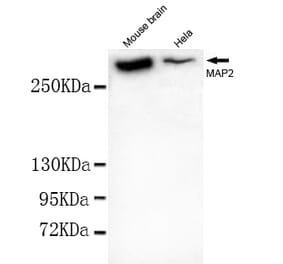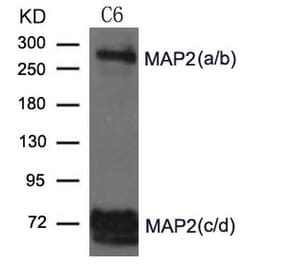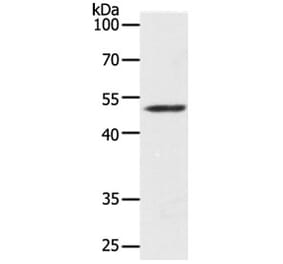

Unconjugated
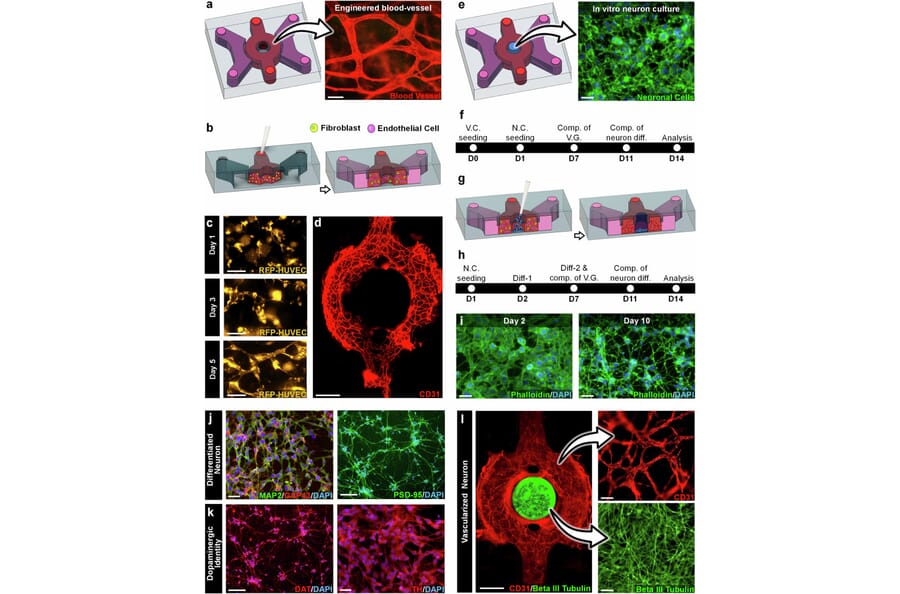
Parkinson's Disease (PD) involves not only a-synuclein pathology in dopaminergic neurons but also vascular impairments that remain underexplored due to limitations of traditional in vitro models. Here we present a microengineered 3D neurovascular midbrain model that reconstructs the capillary interface of substantia nigra dopaminergic neurons. In our proof-of-concept demonstration, we successfully recapitulated neuronal pathology in PD, including a-synuclein aggregation, inflammatory responses, and progressive neuronal degeneration, by exposing our model to specially generated PD-associated a-synuclein preformed-fibrils. Importantly, this engineering approach also enables the investigation of progressive vascular abnormalities in PD, such as endothelial dysfunction, barrier disruption, vascular regression, and the resulting impairment of blood flow. Our PD model establishes a tractable platform for investigating the multifaceted nature of the disease and understanding the complex interplay between neurodegeneration and vascular pathology, offering a unique tool for developing innovative therapeutic strategies that address both the neuronal and vascular components of PD pathology.
Conformational variations in a-syn fibrils are thought to underlie the distinct clinical features of synucleinopathies, including Lewy body dementia (LBD), Parkinson's disease (PD), and multiple system atrophy (MSA), suggesting that distinct fibril structures act as molecular fingerprints linked to disease phenotypes. While the origins of these conformational variations remain unclear, increasing evidence points to membranes as key modulators of fibril conformations. In this study, we investigated how age-related alterations in membrane composition and fluidity influence a-syn fibril formation and cellular outcomes. Using complex membrane mixtures that mimic normal neuronal membranes and their age-related modifications in fatty acid chains, we found that a-syn fibrils grown with these membranes displayed distinct 2D ssNMR spectral patterns compared to lipid-free a-syn fibrils, reflecting differences in the rigid fibril cores. Moreover, fibrils grown with age-related membranes exhibited weaker membrane association than those formed with normal neuronal membranes. These membrane-associated fibrils induce stronger neuronal pathologies than lipid-free fibrils, although the severity differed in terms of intraneuronal aggregation and inflammatory responses. Overall, our findings provide new insights into how age-related changes in membrane composition shape a-syn fibril structure and pathogenicity, strengthening the link between membrane dynamics and amyloid-driven neurodegeneration.
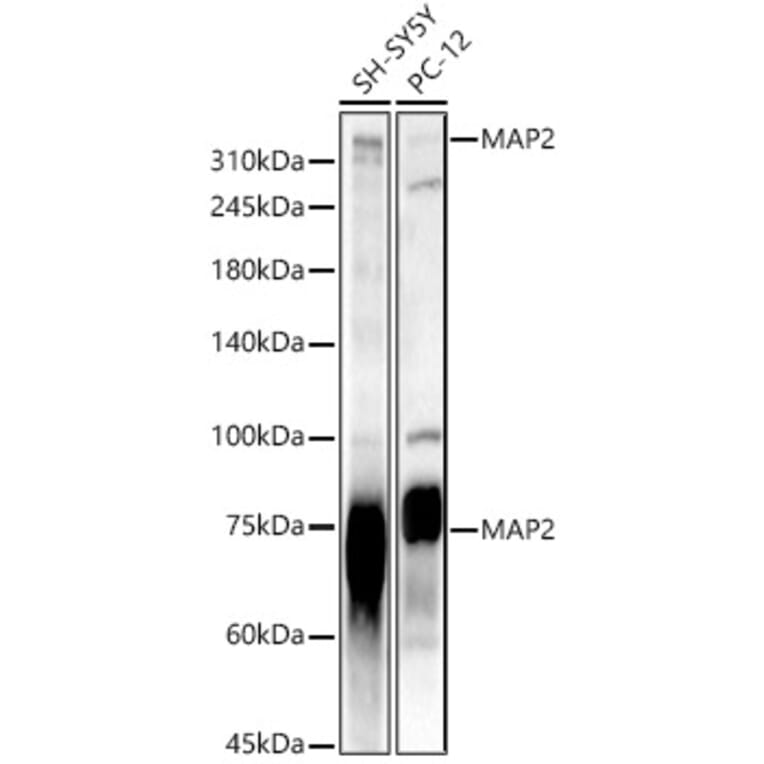
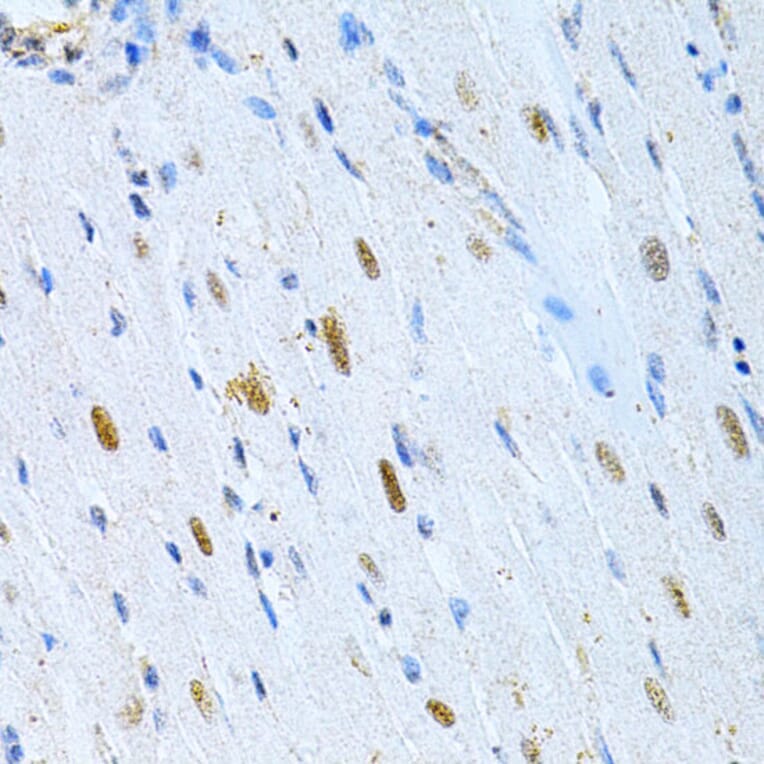
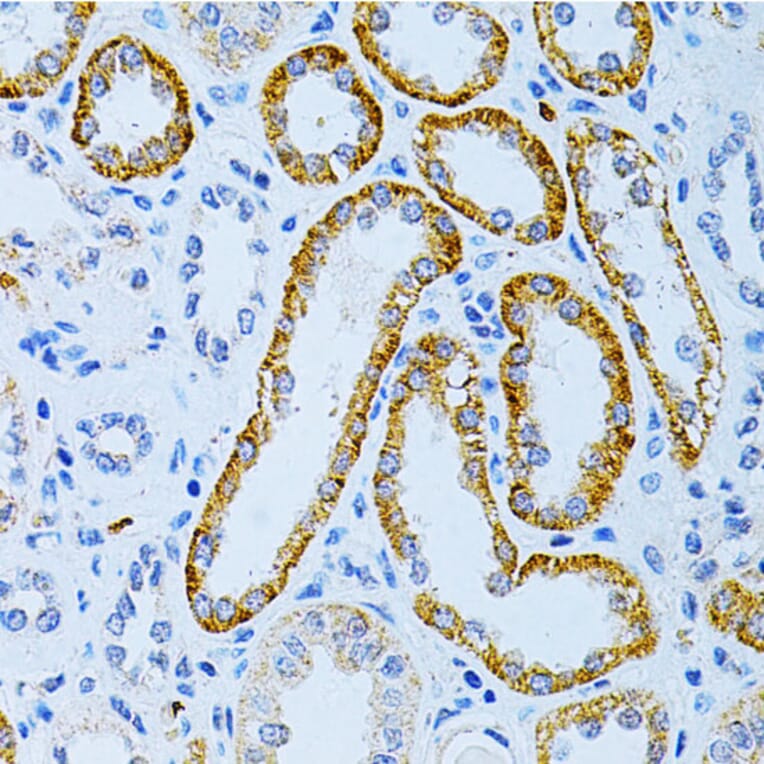
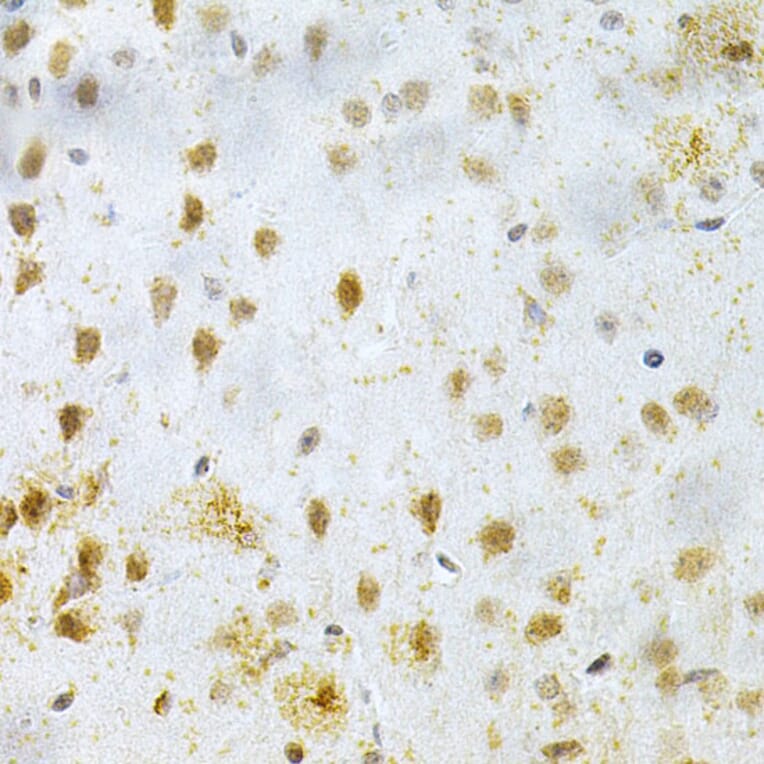
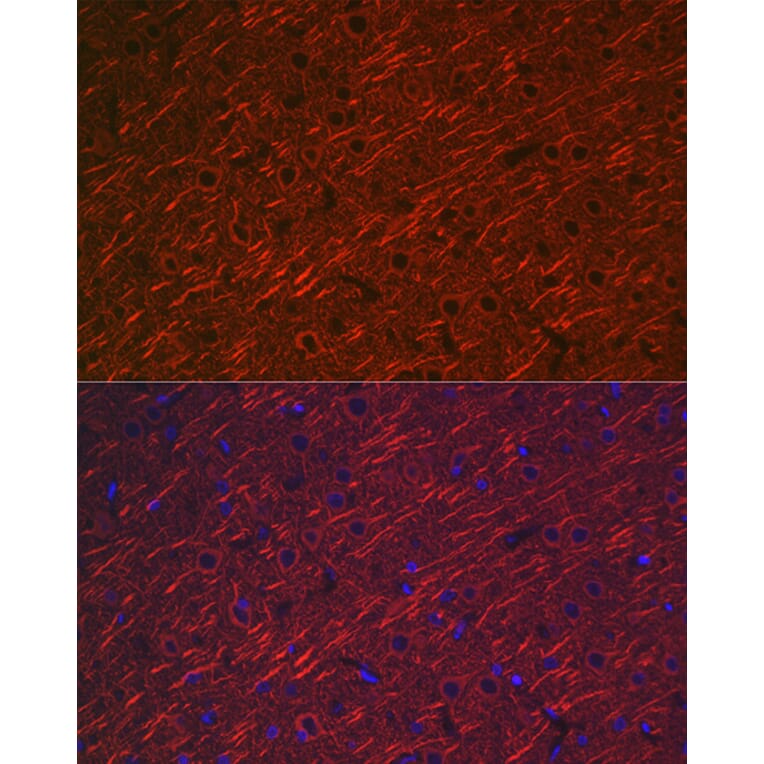
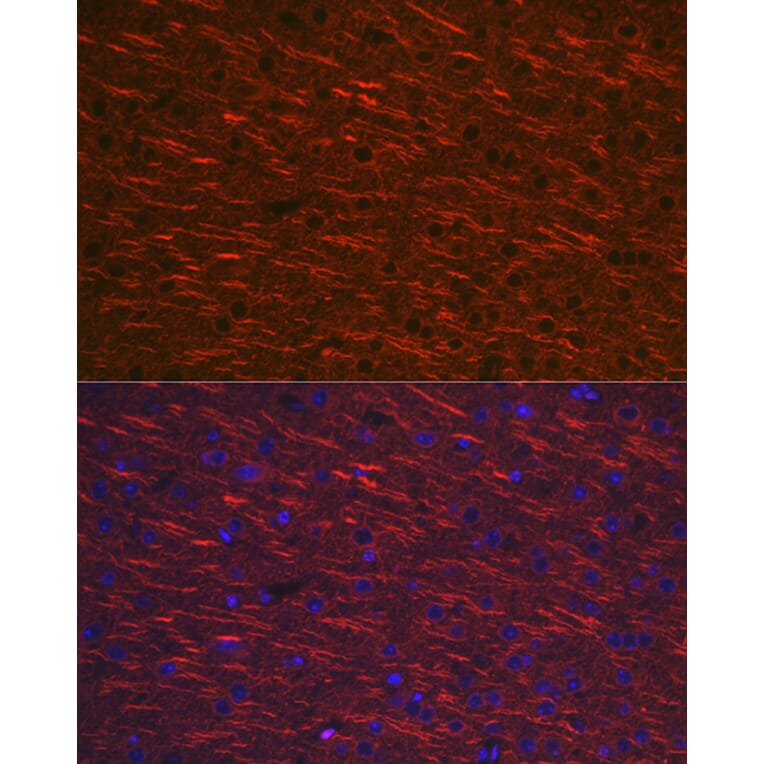
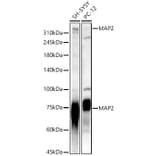
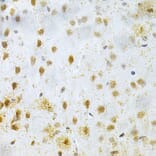
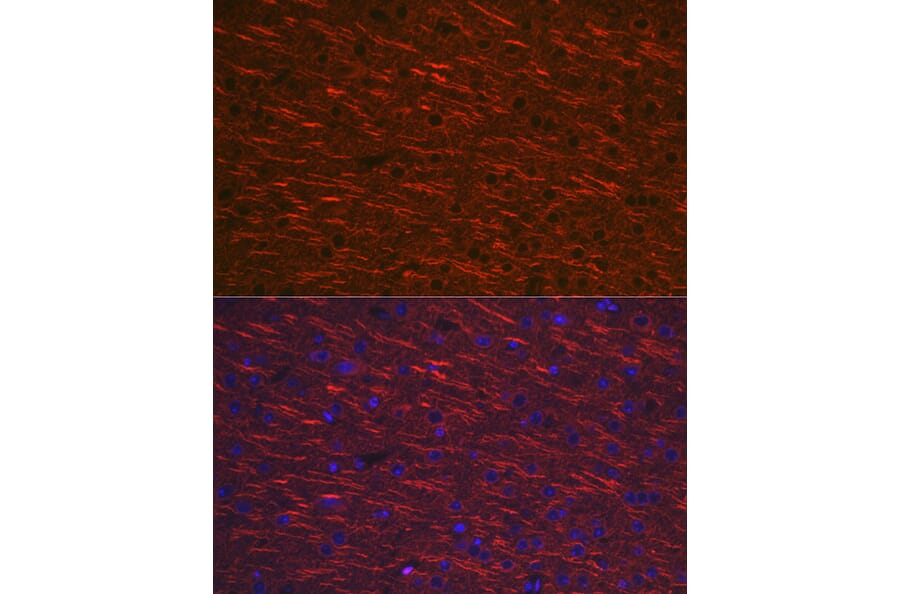

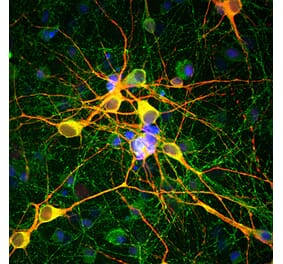
![Immunofluorescence - Anti-MAP2 Antibody [5H11] (A85296) - Antibodies.com](https://cdn.antibodies.com/image/catalog/85/A85296_1.jpg?profile=product_alternative)
![Immunofluorescence - Anti-MAP2 Antibody [4H5] (A85297) - Antibodies.com](https://cdn.antibodies.com/image/catalog/85/A85297_1.jpg?profile=product_alternative)
![Immunofluorescence - Anti-MAP2 Antibody [2C4] (A85459) - Antibodies.com](https://cdn.antibodies.com/image/catalog/85/A85459_1.jpg?profile=product_alternative)
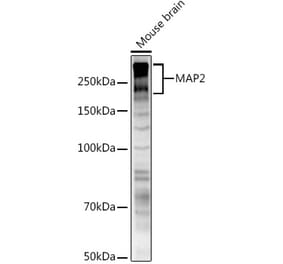
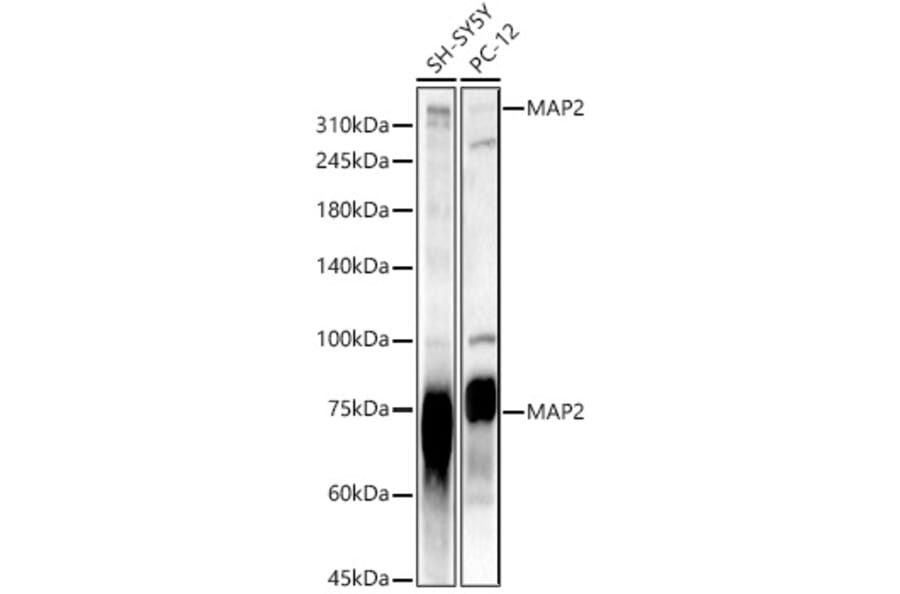
![WB - Anti-MAP2 Antibody [MT-07] (A86618)](https://cdn.antibodies.com/image/catalog/86/A86618_1.jpg?profile=product_alternative)
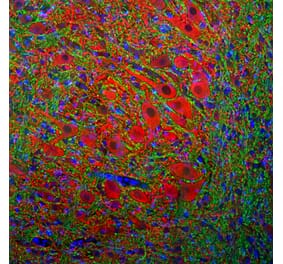
![WB - Anti-MAP2 Antibody [MT-08] (A86619)](https://cdn.antibodies.com/image/catalog/86/A86619_1.jpg?profile=product_alternative)
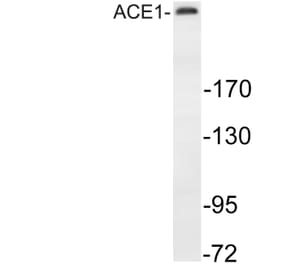
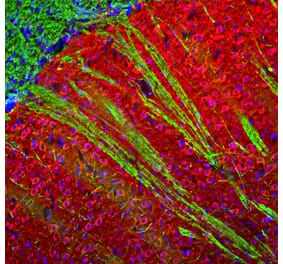
![WB - Anti-MAP2 Antibody [MT-01] (A86786)](https://cdn.antibodies.com/image/catalog/86/A86786_1.jpg?profile=product_alternative)