
Unconjugated
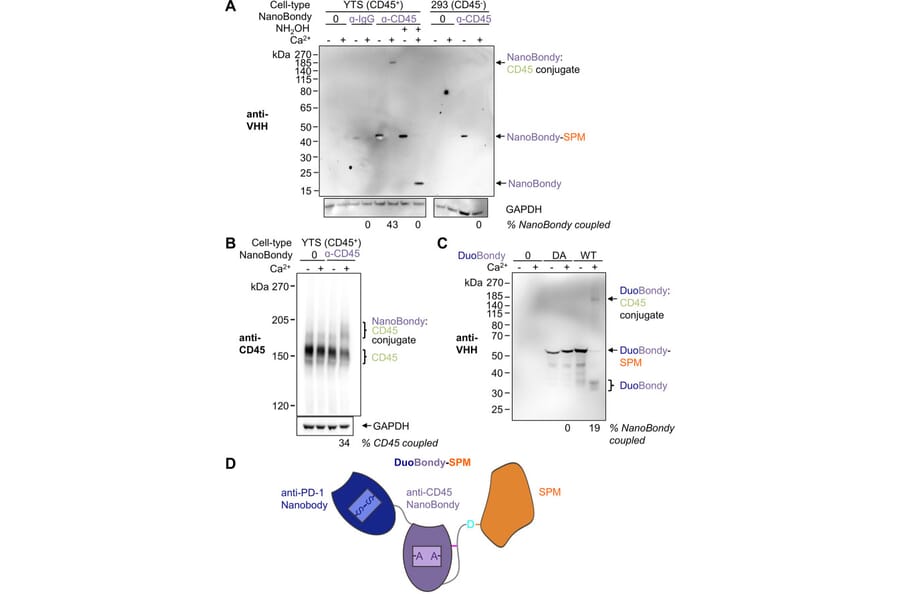
Cell-surface conjugation has enormous therapeutic and research potential. Existing technologies for cell-surface modification are usually reversible, nonspecific, or rely on genetic editing of target cells. Here, we present the NanoBondy, a nanobody modified for covalent ligation to an unmodified protein target at the cell surface. The NanoBondy utilizes the 20 naturally occurring amino acids, harnessing NeissLock chemistry engineered from Neisseria meningitidis. We evaluated the binding and specificity of a panel of nanobodies to CD45, a long-lived surface marker of nucleated hematopoietic cells. We demonstrated the conversion of existing nanobodies to covalently reacting NanoBondies using a disulfide clamp to position the self-processing module of FrpA close to the nanobody antigen-binding site. The addition of calcium induces anhydride formation at the NanoBondy C-terminus, enabling proximity-directed ligation to surface amines on CD45. We optimized the NanoBondy reaction by fine-tuning linkers and disulfide clamp sites to modulate anhydride positioning. Tandem mass spectrometry mapped reaction sites between NanoBondy and CD45. NanoBondy ligation was robust to buffer, pH, and temperature and was detected within 2 minutes. We established the reaction specificity of NanoBondies to endogenous CD45 at the surface of NK cells and T cells. NanoBondy technology provides a modular approach for targeted, inducible, and covalent cell-surface modification of immune cells without their genetic modification.
Glioblastoma is an aggressive, incurable brain cancer with poor five-year survival rates of around 13% despite multimodal treatment with surgery, DNA-damaging chemoradiotherapy and the recent addition of Tumour Treating Fields (TTFields). As such, there is an urgent need to improve our current understanding of cellular responses to TTFields using more clinically and surgically relevant models, which reflect the profound spatial heterogeneity within glioblastoma, and leverage these biological insights to inform the rational design of more effective therapeutic strategies incorporating TTFields. We have recently reported the use of preclinical TTFields using the inovitroTM system within 2D glioma stem-like cell (GSC) models and demonstrated significant cytotoxicity enhancement when co-applied with a range of therapeutically approved and preclinical DNA damage response inhibitors (DDRi) and chemoradiotherapy. Here we report the development and optimisation of preclinical TTFields delivery within more clinically relevant 3D scaffold-based primary GSC models of spatial heterogeneity, and highlight some initial enhancement of TTFields potency with temozolomide and clinically approved PARP inhibitors (PARPi). These studies, therefore, represent an important platform for further preclinical assessment of TTFields-based therapeutic strategies within clinically relevant 3D GSC models, aimed towards accelerating clinical trial implementation and the ultimate goal of improving the persistently dire survival rates for these patients.
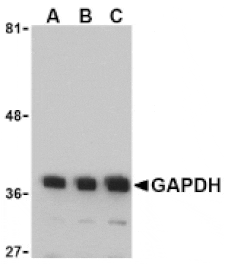
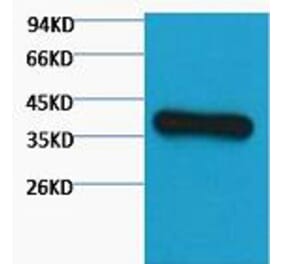
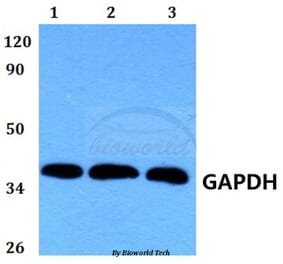
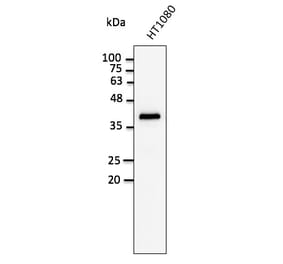
![Western Blot - Anti-GAPDH Antibody [GA1R] (A85271) - Antibodies.com](https://cdn.antibodies.com/image/catalog/85/A85271_141578972.jpg?profile=product_top)
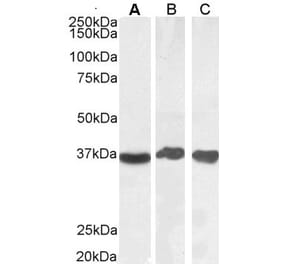
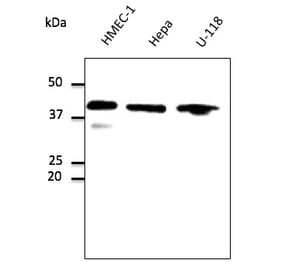
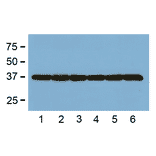
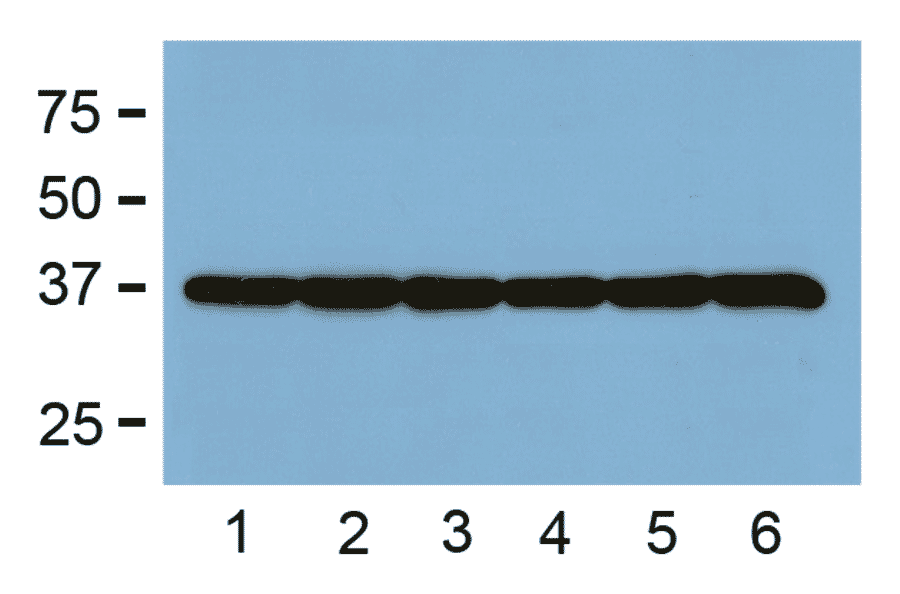
![Western Blot - Anti-GAPDH Antibody [GA1R] (A85271) - Antibodies.com](https://cdn.antibodies.com/image/catalog/85/A85271_241578972.jpg?profile=product_top)
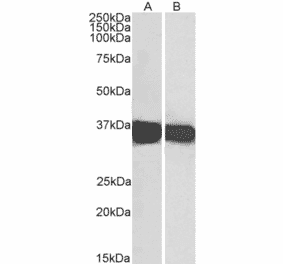
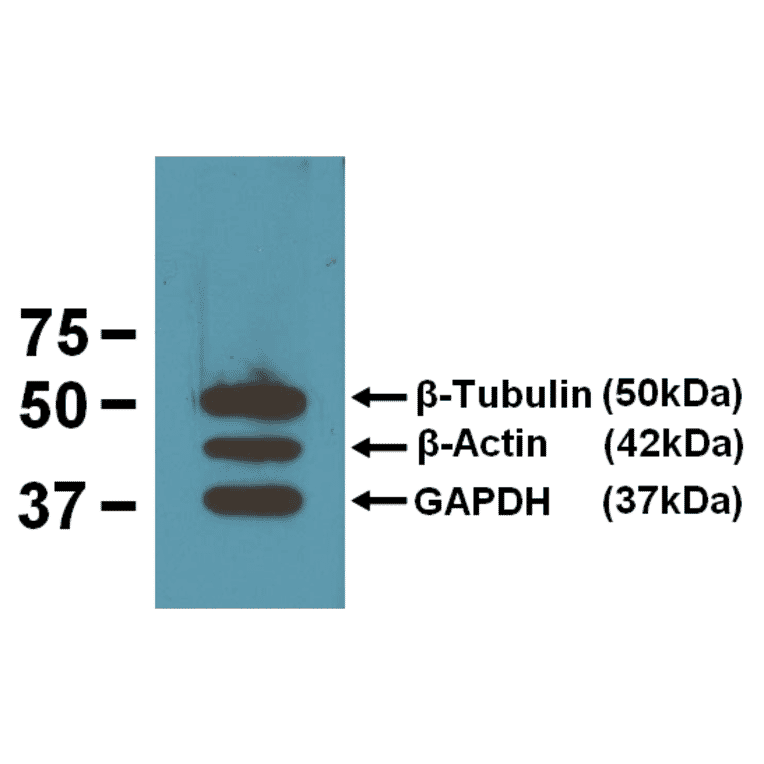
![Western Blot - Anti-GAPDH Antibody [GA1R] - Antibodies.com](https://cdn.antibodies.com/image/catalog/85/A85271_338316765.jpg?profile=product_top)
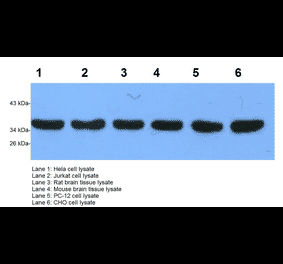
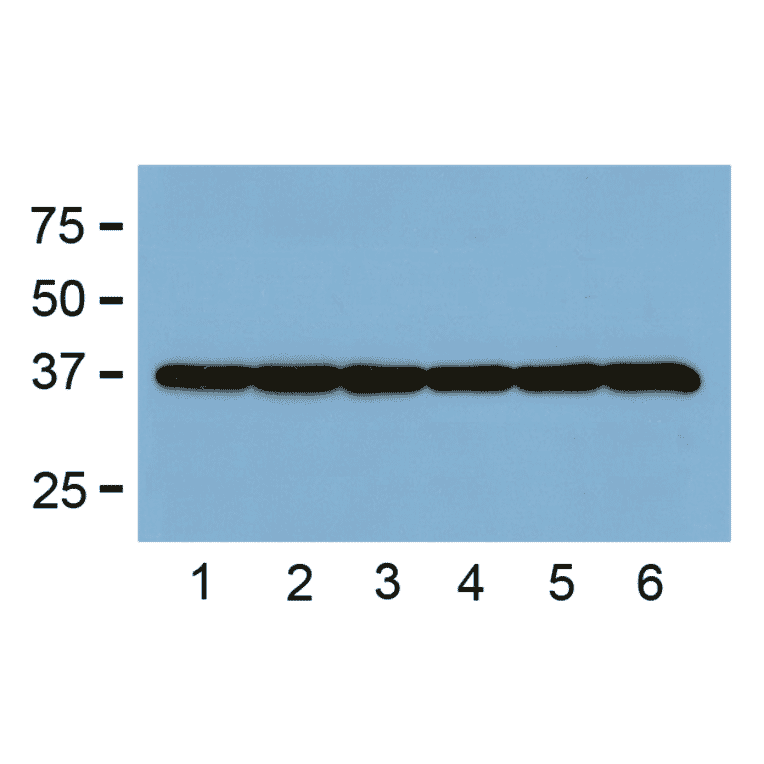
![Western Blot - Anti-GAPDH Antibody [GA1R] - Antibodies.com](https://cdn.antibodies.com/image/catalog/85/A85271_438473223.jpg?profile=product_top)
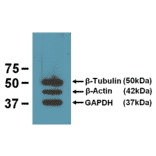
![Western Blot - Anti-GAPDH Antibody [GA1R] (A85271) - Antibodies.com](https://cdn.antibodies.com/image/catalog/85/A85271_141578972.jpg?profile=product_top_thumb)
![Western Blot - Anti-GAPDH Antibody [GA1R] (A85271) - Antibodies.com](https://cdn.antibodies.com/image/catalog/85/A85271_241578972.jpg?profile=product_top_thumb)
![Western Blot - Anti-GAPDH Antibody [GA1R] - Antibodies.com](https://cdn.antibodies.com/image/catalog/85/A85271_338316765.jpg?profile=product_top_thumb)
![Western Blot - Anti-GAPDH Antibody [GA1R] - Antibodies.com](https://cdn.antibodies.com/image/catalog/85/A85271_438473223.jpg?profile=product_top_thumb)
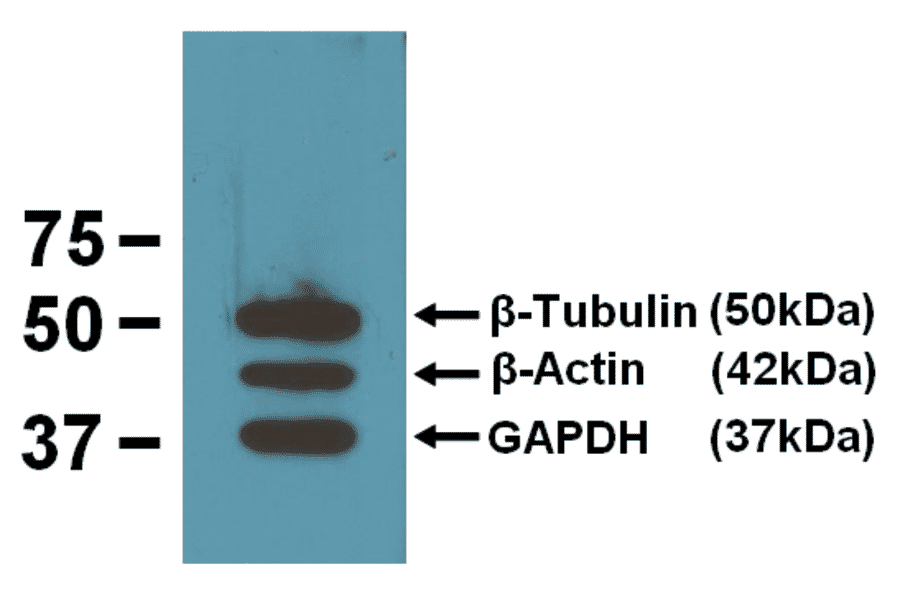
![Western Blot - Anti-GAPDH Antibody [GA1R] (A85271) - Antibodies.com](https://cdn.antibodies.com/image/catalog/85/A85271_141578972.jpg?profile=product_image)
![Western Blot - Anti-GAPDH Antibody [GA1R] (A85271) - Antibodies.com](https://cdn.antibodies.com/image/catalog/85/A85271_241578972.jpg?profile=product_image)
![Western Blot - Anti-GAPDH Antibody [GA1R] - Antibodies.com](https://cdn.antibodies.com/image/catalog/85/A85271_338316765.jpg?profile=product_image)
![Western Blot - Anti-GAPDH Antibody [GA1R] - Antibodies.com](https://cdn.antibodies.com/image/catalog/85/A85271_438473223.jpg?profile=product_image)

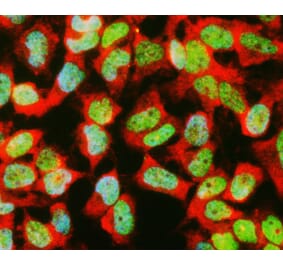
![Immunofluorescence - Anti-GAPDH Antibody [1D4] (A85382) - Antibodies.com](https://cdn.antibodies.com/image/catalog/85/A85382_1.jpg?profile=product_alternative)

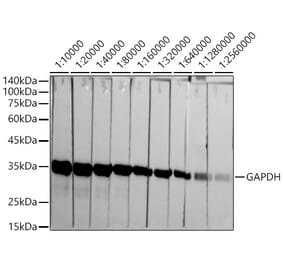
![Western Blot - Anti-GAPDH Antibody [6C5] (A279474) - Antibodies.com](https://cdn.antibodies.com/image/catalog/279/A279474_4.jpg?profile=product_alternative)
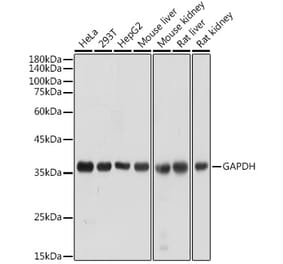
![Western Blot - Anti-GAPDH Antibody [4G5] (A279385) - Antibodies.com](https://cdn.antibodies.com/image/catalog/279/A279385_5.jpg?profile=product_alternative)