

Stem cells are undifferentiated cells with the ability to develop into various specialized cell types while also having regenerative potential to maintain their own numbers. They play an essential role in organism development and tissue repair. Different types of stem cells have varying levels of potency and may differentiate into almost any cell (totipotent/pluripotent) or only a specific lineage (e.g. neural stem cells).
Stem cell markers are proteins that are characteristic of different stem cell lineages, often reflecting molecules that are important for regeneration or differentiation. Stem cell markers therefore serve as useful tools for establishing the developmental stage, lineage and potential of a cell population, and aid in understanding stem cell behaviors, differentiation pathways, and therapeutic potentials of these cells.
Germ layer markers identify cells from the three primary germ layers formed during early embryonic development: ectoderm, mesoderm, and endoderm. The ectoderm gives rise to the nervous system and skin, the mesoderm forms muscles, bones, and the cardiovascular system, and the endoderm develops into the digestive and respiratory systems. These markers are crucial for studying early embryonic development and congenital anomalies.

Embryonic stem cells are derived from the inner cell mass of the blastocyst during early embryonic development. These pluripotent cells can differentiate into any cell type, making them invaluable for studying early development, regenerative medicine, and disease modeling. Embryonic stem cell markers can be used in determining the differentiation and fate of cells, and to isolate them for further study.

Hematopoietic stem cells (HSCs) are multipotent stem cells of the bone marrow. They are responsible for producing all types of blood cells, including red blood cells, platelets, and immune cells such as B cells, T cells and macrophages. HSCs are a relatively small population but contain great potential for self-renewal. Markers of HSCs are useful for studying hematological disorders such as leukemia and anemia.

Induced pluripotent stem cells (iPSCs) are an in vitro tool for generating cultured stem cells from somatic cells. By introducing specific transcription factors, somatic cells are genetically reprogrammed to exhibit a pluripotent state. This allows them to differentiate into any cell type, similar to embryonic stem cells, and makes them ideal for disease modeling by obtaining somatic cells from patients. It is important to confirm that somatic cells have indeed reverted to a pluripotent state, which can be achieved with iPSC marker antibodies against known pluripotent factors.

Mesenchymal stem cells (MSCs) are multipotent stromal cells that can differentiate into a variety of cell types, including osteoblasts (bone cells), chondrocytes (cartilage cells), and adipocytes (fat cells). MSCs are found in various tissues, including bone marrow, adipose tissue, and umbilical cord blood, from which a ready supply can be obtained for studies on their therapeutic potential. MSC markers are used not only to discern that cells of interest are MSCs, but also to identify the source of those MSCs; for example, CD71 distinguishes adipose MSCs from other MSCs.
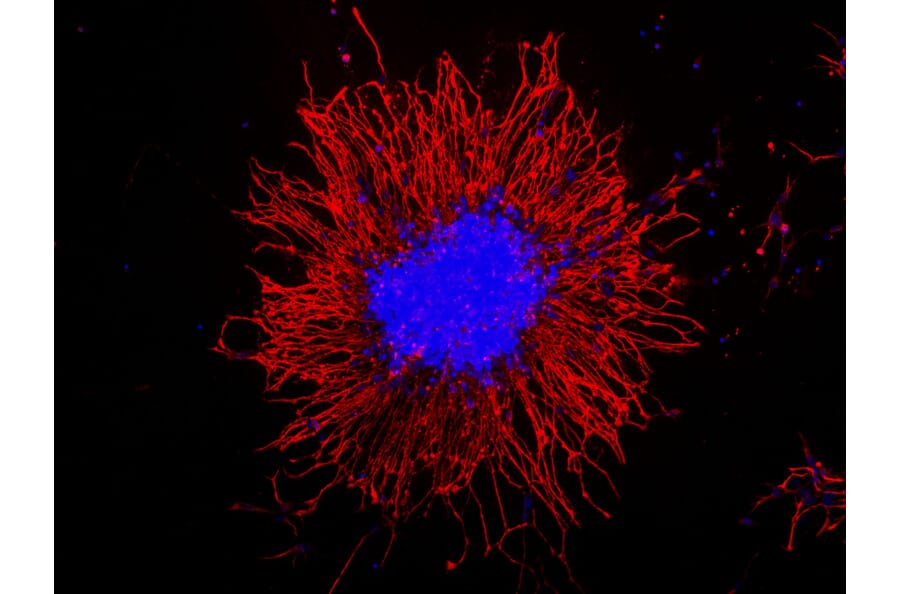
Neural stem cells (NSCs) are progenitor cells in the central nervous system that can differentiate into neurons and glia, and they play a critical role in neurogenesis and potential regenerative therapies for neurodegenerative diseases. In adults, NSCs are primarily found in the subventricular zone and the hippocampus in humans. Neural stem cell markers distinguish NSCs from the mature cells that surround them in the brain, and are useful for tracking the migration and differentiation.

Neuroepithelial cells form the wall of the neural tube during embryonic development. As stem cells, many neuroepithelial cells transition into radial glia and ultimately give rise to the central nervous system. Neuroepithelial cells are highly polarized along their apical-basal axis, maintaining this polarity with tight junctions. Markers of neuroepithelial cells are able to capture this developmental stage to provide insights into embryogenesis and nervous system development.